Causes and Symptoms of Plantar Fasciitis

There is a thick portion of tissue that runs along the bottom of the foot and connects the toes to the heel bone, which is referred to as the plantar fascia. If this should become injured, inflammation may occur, leading to a condition known as plantar fasciitis, which typically causes severe pain and discomfort. Research has shown the main purpose of the plantar fascia is to maintain adequate support to the arch of the foot in addition to acting like a shock absorber for the body. Some of the reasons why this ailment could develop may be from wearing shoes that do not have proper cushioning, standing for extended periods of time, or participating in sporting activities that include running or jumping. Patients who have plantar fasciitis may experience pain that radiates from the heel and may gradually increase over time. If you are afflicted with this painful condition, please counsel with a podiatrist who can properly diagnose and treat this condition.

Plantar fasciitis can be very painful and inconvenient. If you are experiencing heel pain or symptoms of plantar fasciitis, contact James P. Huish, DPM  from Arizona. Our doctors can provide the care you need to keep you pain-free and on your feet.

What Is Plantar Fasciitis?

Plantar fasciitis is the inflammation of the thick band of tissue that runs along the bottom of your foot, known as the plantar fascia, and causes mild to severe heel pain.

What Causes Plantar Fasciitis?

  • Excessive running
  • Non-supportive shoes
  • Overpronation
  • Repeated stretching and tearing of the plantar fascia

How Can It Be Treated?

  • Conservative measures – anti-inflammatories, ice packs, stretching exercises, physical therapy, orthotic devices
  • Shockwave therapy – sound waves are sent to the affected area to facilitate healing and are usually used for chronic cases of plantar fasciitis
  • Surgery – usually only used as a last resort when all else fails. The plantar fascia can be surgically detached from the heel

While very treatable, plantar fasciitis is definitely not something that should be ignored. Especially in severe cases, speaking to your doctor right away is highly recommended to avoid complications and severe heel pain. Your podiatrist can work with you to provide the appropriate treatment options tailored to your condition.

If you have any questions, please feel free to contact our office located in Safford and Sierra Vista, AZ . We offer the newest diagnostic and treatment technologies for all your foot care needs.
Read more about Plantar Fasciitis

Is There A Link Between Obesity and Toenail Fungus?

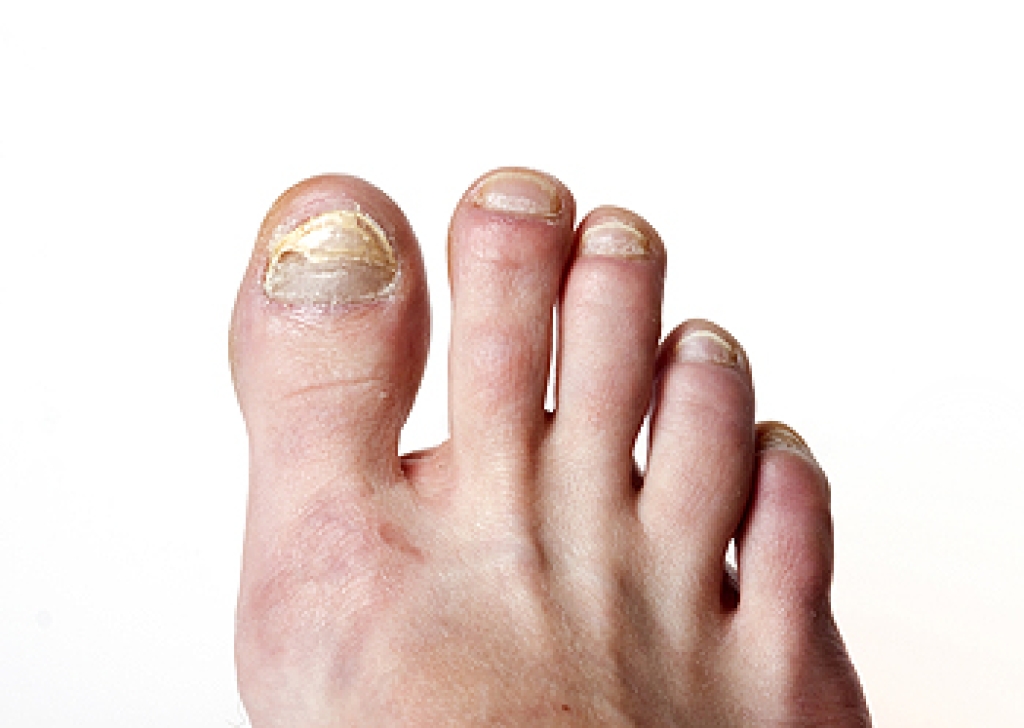
Researchers in Korea have found that excessive weight gain may lead to the unsightly condition known as onychomycosis, which is also referred to as toenail fungus. In patients who are diabetic, this condition may be painful and may lead to the development of additional infections. It may be beneficial to treat this ailment as early as possible and this may be accomplished by using a topical medicine. In more advanced cases, injections may be necessary to administer around the nail bed. Toenail fungus is typically not life-threatening, and there may be moderate symptoms that may accompany this condition. The most noticeable signs may be a thickening of the toenail, and may often appear black in color as the infection progresses. If you feel you have this condition, it’s advised to consult with a podiatrist who can recommend the best course of treatment for you.

For more information about treatment, contact James P. Huish, DPM of Arizona. Our doctors can provide the care you need to keep you pain-free and on your feet.

Toenail Fungus Treatment

Toenail fungus is a condition that affects many people and can be especially hard to get rid of. Fortunately, there are several methods to go about treating and avoiding it.

Antifungals & Deterrence

Oral antifungal medicine has been shown to be effective in many cases. It is important to consult with a podiatrist to determine the proper regiment for you, or potentially explore other options.

Applying foot powder on the feet and shoes helps keep the feet free of moisture and sweat.

Sandals or open toed shoes – Wearing these will allow air movement and help keep feet dry. They also expose your feet to light, which fungus cannot tolerate. Socks with moisture wicking material also help as well.

If you have any questions please contact our office located in Safford and Sierra Vista, AZ . We offer the newest diagnostic and treatment technologies for all your foot and ankle needs.

Read more about Toenail Fungus

Is Hammertoe Uncomfortable?

If you have ever worn narrow, pointed-toe shoes, you may be a candidate to develop hammertoe. The characteristics are a noticeable deformity that affects the middle toes, and may cause severe pain and discomfort. The toes may be bent at the middle joint and face downward, giving the appearance of a hammer. The surrounding muscles may become unbalanced, and this may cause difficulty in straightening the toes. This condition may become worse if prompt treatment is not administered, which may consist of performing simple exercises that may strengthen the foot and toes. Research has shown the most common cause of hammertoe is related to incorrect shoes that are worn. Additionally, there may be other reasons why this ailment may develop, including having an elongated second toe, incurring an injury to the toes, or genetic traits may play a significant role. If you are afflicted with hammertoe, it’s strongly suggested that you seek the counsel of a podiatrist for a complete diagnosis and to gather information about proper treatment options.

Hammertoes can be a painful condition to live with. For more information, contact James P. Huish, DPM of Arizona. Our doctors will answer any of your foot- and ankle-related questions.

Hammertoe

Hammertoe is a foot deformity that occurs due to an imbalance in the muscles, tendons, or ligaments that normally hold the toe straight. It can be caused by the type of shoes you wear, your foot structure, trauma, and certain disease processes.

Symptoms

  • Painful and/or difficult toe movement
  • Swelling
  • Joint stiffness
  • Calluses/Corns
  • Physical deformity

Risk Factors

  • Age – The risk of hammertoe increases with age
  • Sex – Women are more likely to have hammertoe compared to men
  • Toe Length – You are more likely to develop hammertoe if your second toe is longer than your big toe
  • Certain Diseases – Arthritis and diabetes may make you more likely to develop hammertoe

Treatment

If you have hammertoe, you should change into a more comfortable shoe that provides enough room for your toes. Exercises such as picking up marbles may strengthen and stretch your toe muscles. Nevertheless, it is important to seek assistance from a podiatrist in order to determine the severity of your hammertoe and see which treatment option will work best for you.

If you have any questions, please feel free to contact our office located in Safford and Sierra Vista, AZ . We offer the newest diagnostic and treatment technologies for all your foot care needs.

Read more about Hammertoe

Is There A Reduction of Bunions in Non-Western Countries?

If you notice a large bony protrusion on the side of your big toe, you may have what is referred to as a bunion. It is considered to be a deformity, and there may be several reasons why this condition may occur. Research has shown that genetics may play a significant role in the formation of bunions. If you happen to have a pre-existing case of bunions, wearing shoes that do not fit correctly could possibly make it even worse. This type of footwear may include shoes that have a narrow toe area, which does not have adequate room for the toes to move about in. This may result in the toes being forced to squeeze into an area that is too small. There is a significant reduction in the development of bunions in non-western countries and this may be a result of wearing shoes that fit correctly. If you feel you have a bunion, it’s suggested to speak with a podiatrist who can begin treatment options that are right for you.

If you are suffering from bunions, contact James P. Huish, DPM of Arizona. Our doctors can provide the care you need to keep you pain-free and on your feet.

What Is a Bunion?

A bunion is formed of swollen tissue or an enlargement of boney growth, usually located at the base joint of the toe that connects to the foot. The swelling occurs due to the bones in the big toe shifting inward, which impacts the other toes of the foot. This causes the area around the base of the big toe to become inflamed and painful.

Why Do Bunions Form?

Genetics – Susceptibility to bunions are often hereditary

Stress on the feet – Poorly fitted and uncomfortable footwear that places stress on feet, such as heels, can worsen existing bunions

How Are Bunions Diagnosed?

Podiatrists often perform two tests – blood tests and x-rays – when trying to diagnose bunions, especially in the early stages of development. Blood tests help determine if the foot pain is being caused by something else, such as arthritis, while x-rays provide a clear picture of your bone structure to your provider.

How Are Bunions Treated?

  • Refrain from wearing heels or similar shoes that cause discomfort
  • Select wider shoes that can provide more comfort and reduce pain
  • Anti-inflammatory and pain management drugs
  • Orthotics or foot inserts
  • Surgery

If you have any questions, please feel free to contact our office located in Safford and Sierra Vista, AZ . We offer the newest diagnostic and treatment technologies for all your foot care needs.

Read more about Bunions

Causes and Symptoms of a Broken Foot

People who have broken their foot are most likely familiar with the severe pain and discomfort that may be associated with this condition. Typical symptoms of this type of fracture may include swelling, bruising and the inability to walk on the foot. The most common reasons for this to occur may be from a fall or from overuse, which may be a result of consistent running and jumping. If you feel you have broken your foot, a proper diagnosis must be performed, which will determine the severity of the fracture. This is accomplished by having an X-ray, CT scan or bone scan taken. When this occurs, proper treatment may begin, which may include wearing a cast or a supportive boot. In severe breaks where the bone protrudes from the skin, surgery may be a necessary option to repair any damage the foot has incurred. It is suggested to speak with a podiatrist if you have broken your foot and would like to learn about treatment options that are correct for you.

A broken foot requires immediate medical attention and treatment. If you need your feet checked, contact James P. Huish, DPM from Arizona. Our doctors can provide the care you need to keep you pain-free and on your feet.

Broken Foot Causes, Symptoms, and Treatment

A broken foot is caused by one of the bones in the foot typically breaking when bended, crushed, or stretched beyond its natural capabilities. Usually the location of the fracture indicates how the break occurred, whether it was through an object, fall, or any other type of injury. 

Common Symptoms of Broken Feet:

  • Bruising
  • Pain
  • Redness
  • Swelling
  • Blue in color
  • Numbness
  • Cold
  • Misshapen
  • Cuts
  • Deformities

Those that suspect they have a broken foot shoot seek urgent medical attention where a medical professional could diagnose the severity.

Treatment for broken bones varies depending on the cause, severity and location. Some will require the use of splints, casts or crutches while others could even involve surgery to repair the broken bones. Personal care includes the use of ice and keeping the foot stabilized and elevated.

If you have any questions, please feel free to contact our office located in Safford and Sierra Vista, AZ . We offer the newest diagnostic and treatment technologies for all your foot care needs.

Read more about Causes, Symptoms, and Treatment for a Broken Foot

Connect With Us

scroll-to-top