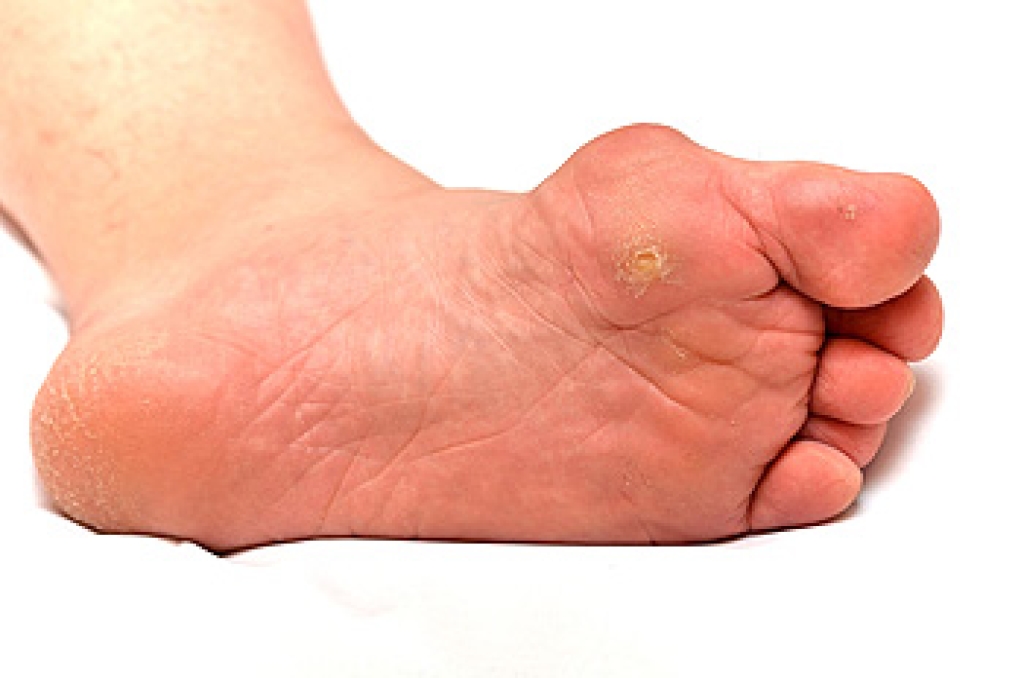
What Are The Treatment Options for Bunions?

A bunion is often easily identified because of the large bony protrusion that appears on the side of the big toe.The skin on top of the bone may look red and and can become painful due to the friction the toes experience from shoes. Bunions can be caused by conditions such as arthritis or an abnormal foot structure that may possibly be inherited. The condition can also be made worse by wearing shoes that fit poorly. If you suffer from this ailment, it’s recommended to wear wider shoes to accommodate the affected toe. A more permanent solution would be surgery, in which the bunion is removed. If you have this condition, please consult with a podiatrist for additional information and to determine the best treatment option for you. 

If you are suffering from bunions, contact James P. Huish, DPM of Arizona. Our doctors can provide the care you need to keep you pain-free and on your feet.

What Is a Bunion?

A bunion is formed of swollen tissue or an enlargement of boney growth, usually located at the base joint of the toe that connects to the foot. The swelling occurs due to the bones in the big toe shifting inward, which impacts the other toes of the foot. This causes the area around the base of the big toe to become inflamed and painful.

Why Do Bunions Form?

Genetics – Susceptibility to bunions are often hereditary

Stress on the feet – Poorly fitted and uncomfortable footwear that places stress on feet, such as heels, can worsen existing bunions

How Are Bunions Diagnosed?

Podiatrists often perform two tests – blood tests and x-rays – when trying to diagnose bunions, especially in the early stages of development. Blood tests help determine if the foot pain is being caused by something else, such as arthritis, while x-rays provide a clear picture of your bone structure to your provider.

How Are Bunions Treated?

  • Refrain from wearing heels or similar shoes that cause discomfort
  • Select wider shoes that can provide more comfort and reduce pain
  • Anti-inflammatory and pain management drugs
  • Orthotics or foot inserts
  • Surgery

If you have any questions, please feel free to contact our office located in Safford and Sierra Vista, AZ . We offer the newest diagnostic and treatment technologies for all your foot care needs.
Read more about Bunions

A Common Injury Among Tennis Players

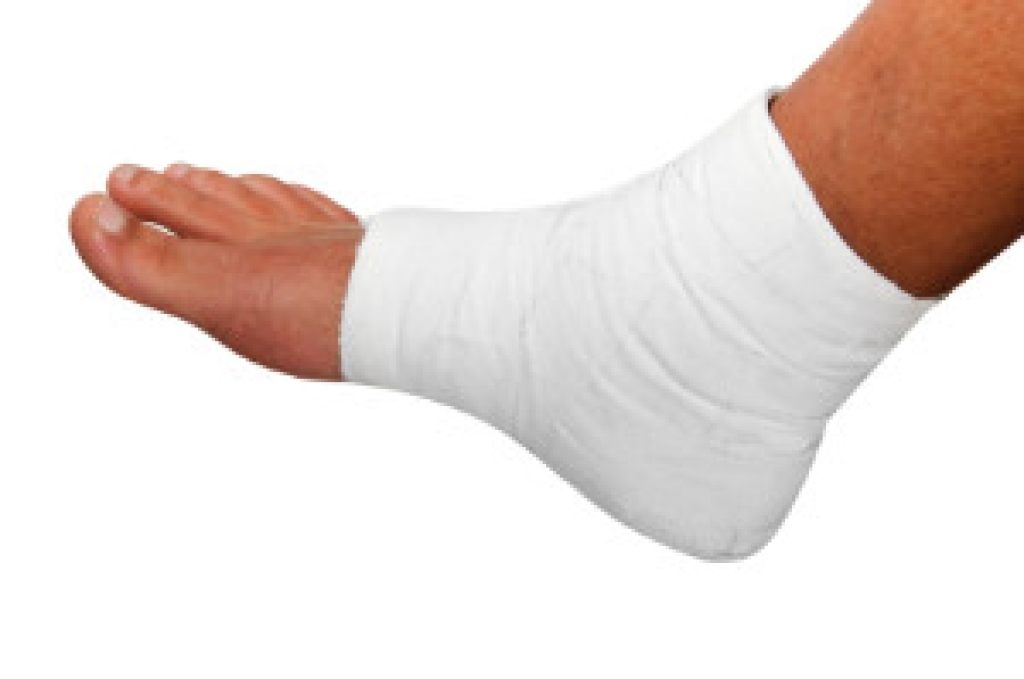
A common ailment that many tennis players are affected by are ankle sprains. The ligaments on the outside of the foot are weaker than those on the inside and may have difficulty in protecting the ankle if it should turn inward. You may have trouble differentiating between a sprain and a break, and it often becomes necessary to have an X-ray performed. Common symptoms may include severe pain and swelling, in addition to discoloration of the skin. Resting the foot is an important first step in healing from this injury, in addition to ceasing all activities including walking. The swelling will subside when the the foot is elevated and will generally feel better. After the recovery period begins, performing certain exercises will help the ankle to become stronger, and the tennis games can resume.  One way to possibly prevent this injury is to wear proper footwear while playing tennis.  Specifically, tennis shoes are designed in a way to prevent injuries.  It would be advised to purchase a pair before partaking in the sport.  If you think you may have sprained your ankle during a game of tennis or have any questions or concerns, scheduling an appointment with a podiatrist is advised.     

Ankle sprains are common but need immediate attention. If you need your feet checked, contact James P. Huish, DPM from Arizona. Our doctors can provide the care you need to keep you pain-free and on your feet.

How Does an Ankle Sprain Occur?

Ankle sprains take place when the ligaments in your ankle are torn or stretched beyond their limits. There are multiple ways that the ankle can become injured, including twisting or rolling over onto your ankle, putting undue stress on it, or causing trauma to the ankle itself.

What Are the Symptoms?

  • Mild to moderate bruising
  • Limited mobility
  • Swelling
  • Discoloration of the skin (depending on severity)

Preventing a Sprain

  • Wearing appropriate shoes for the occasion
  • Stretching before exercises and sports
  • Knowing your limits

Treatment of a Sprain

Treatment of a sprain depends on the severity.  Many times, people are told to rest and remain off their feet completely, while others are given an air cast. If the sprain is very severe, surgery may be required.

If you have suffered an ankle sprain previously, you may want to consider additional support such as a brace and regular exercises to strengthen the ankle.

If you have any questions please feel free to contact our office located in Safford and Sierra Vista, AZ . We offer the newest diagnostic tools and technology to treat your foot and ankle needs.

Read more about Ankle Sprains

How High Heels Affect Runners’ Feet

If you choose to wear high heels frequently, you may experience pain that’s common among those selecting to wear this type of shoe. Typically, when high heels are worn, the ankles bend forward, often affecting the circulation in the feet. Most runners are aware of how the arches are affected from wearing high heels and may experience aches and pains in the calves. There are several options available that may help the feet feel their best while running, one of which is limiting the time high heels are worn. It’s important to rest your feet between runs, and this is often accomplished by wearing supportive shoes. Performing proper exercises that stretch and strengthen the feet is beneficial in keeping the feet healthy and may allow the sport of running to be enjoyed to its full potential.

High heels have a history of causing foot and ankle problems. If you have any concerns about your feet or ankles, contact James P. Huish, DPM from Arizona. Our doctors can provide the care you need to keep you pain-free and on your feet.

Effects of High Heels on the Feet

High heels are popular shoes among women because of their many styles and societal appeal.  Despite this, high heels can still cause many health problems if worn too frequently.

Which Parts of My Body Will Be Affected by High Heels?

  • Ankle Joints
  • Achilles Tendon – May shorten and stiffen with prolonged wear
  • Balls of the Feet
  • Knees – Heels cause the knees to bend constantly, creating stress on them
  • Back – They decrease the spine’s ability to absorb shock, which may lead to back pain.  The vertebrae of the lower back may compress.

What Kinds of Foot Problems Can Develop from Wearing High Heels?

  • Corns
  • Calluses
  • Hammertoe
  • Bunions
  • Morton’s Neuroma
  • Plantar Fasciitis

How Can I Still Wear High Heels and Maintain Foot Health?

If you want to wear high heeled shoes, make sure that you are not wearing them every day, as this will help prevent long term physical problems.  Try wearing thicker heels as opposed to stilettos to distribute weight more evenly across the feet.  Always make sure you are wearing the proper shoes for the right occasion, such as sneakers for exercising.  If you walk to work, try carrying your heels with you and changing into them once you arrive at work.  Adding inserts to your heels can help cushion your feet and absorb shock. Full foot inserts or metatarsal pads are available. 

If you have any questions, please feel free to contact our office located in Safford and Sierra Vista, AZ . We offer the newest diagnostic and treatment technologies for all your foot care needs.
Read more about Effect of High Heels on the Feet

Causes of Corns

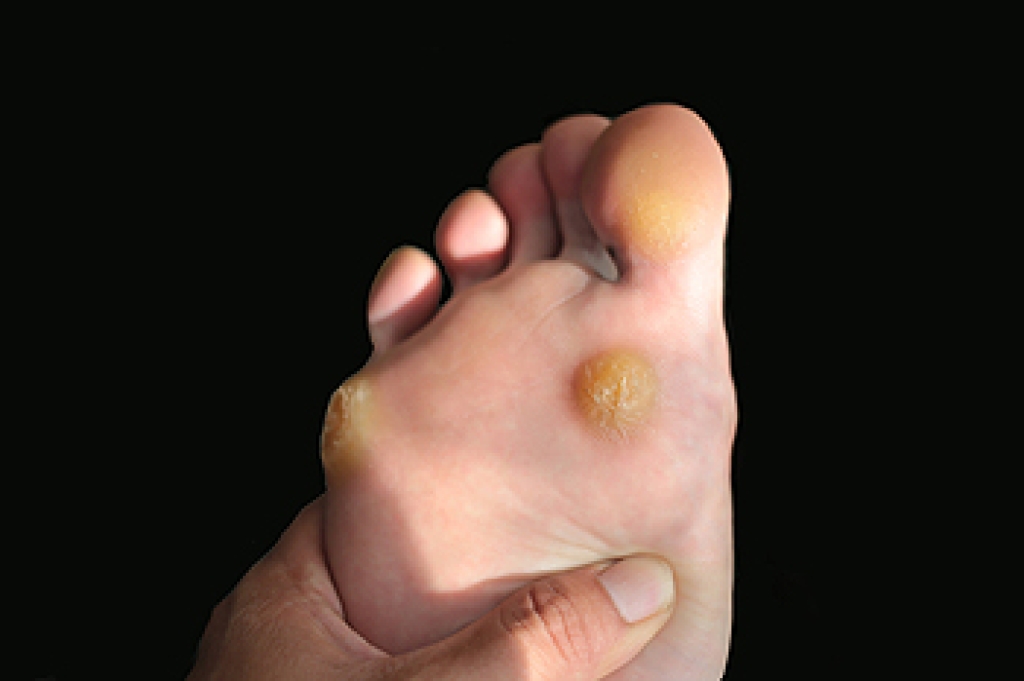
If you experience a bony knot on your toes or feet, you may have what is referred to as a hard corn. This is generally the result of the friction the feet endure, commonly due to poorly fitting shoes. Corns that appear between the toes often have a soft texture and occur when shoes are worn with a narrow toe area. Both types of corns can be painful and uncomfortable and may need to be treated, depending upon the severity. Choosing to wear shoes that fit correctly will not only feel more comfortable, but will aid in the treatment and prevention of corns. If there are additional foot problems present, such as diabetes, or any type of surgery performed that may have affected the bone structure, it’s important to relay that information to your podiatrist.

If you have any concerns regarding your feet and ankles, contact James P. Huish, DPM of Arizona. Our doctors will treat your foot and ankle needs.

Corns: What Are They? and How Do You Get Rid of Them?
Corns can be described as areas of the skin that have thickened to the point of becoming painful or irritating. They are often layers and layers of the skin that have become dry and rough, and are normally smaller than calluses.

Ways to Prevent Corns
There are many ways to get rid of painful corns such as wearing:

  • Well-fitting socks
  • Comfortable shoes that are not tight around your foot
  • Shoes that offer support

Treating Corns
Treatment of corns involves removing the dead skin that has built up in the specific area of the foot. Consult with Our doctors to determine the best treatment option for your case of corns.

If you have any questions, please feel free to contact our office located in Safford and Sierra Vista, AZ . We offer the newest diagnostic and treatment technologies for all your foot care needs.

Read more about Corns: What Are They, and How Do You Get Rid of Them

Connect With Us

scroll-to-top