
What Is Sever’s Disease?

When children between the ages of 8 and 14 struggle with heel pain, it is often a result of Sever’s disease. This occurs when the bones in the calves grow slightly quicker than the Achilles tendon (which connects the calf muscles to the heel bone). When this happens, the tendon tightens and the bones in the heels become swollen and sore. As the child continues to grow, there is thankfully no long-term damage caused by Sever’s disease. Common signs of Sever’s disease include limping, tenderness in the heel, and swelling in the heel bone, particularly after running and jumping activities. Parents who believe that their child is suffering from Sever’s disease should consult with a podiatrist for a proper diagnosis and treatment.    

Sever's disease often occurs in children and teens. If your child is experiencing foot or ankle pain, see James P. Huish, DPM from Arizona. Our doctors can treat your child’s foot and ankle needs.

Sever’s Disease

Sever’s disease is also known as calcaneal apophysitis, which is a medical condition that causes heel pain I none or both feet. The disease is known to affect children between the ages of 8 and 14.

Sever’s disease occurs when part of the child’s heel known as the growth plate (calcaneal epiphysis) is attached to the Achilles tendon. This area can suffer injury when the muscles and tendons of the growing foot do not keep pace with bone growth. Therefore, the constant pain which one experiences at the back of the heel will make the child unable to put any weight on the heel. The child is then forced to walk on their toes.

Symptoms

Acute pain – Pain associated with Sever’s disease is usually felt in the heel when the child engages in physical activity such as walking, jumping and or running.

Highly active – Children who are very active are among the most susceptible in experiencing Sever’s disease, because of the stress and tension placed on their feet.

If you have any questions, please feel free to contact our office located in Safford and Sierra Vista, AZ . We offer the newest diagnostic and treatment technologies for all your foot care needs.
Read more about Sever's Disease

Using Ultrasound to Diagnose Peripheral Artery Disease

Peripheral artery disease (PAD) is a circulatory disease that narrows arteries and restricts blood flow in the extremities. This can cause cramping in the legs when exercising, which usually subsides when you stop. PAD can also cause pain, numbness, swelling, and discoloration in the feet, and can be a prelude to more dangerous complications. One of the tests a podiatrist may use to test the blood flow through arteries and veins is a duplex ultrasound. There are two components to a duplex ultrasound. The first is traditional ultrasound which creates an image by bouncing sound waves off of blood vessels. The second is doppler ultrasound which measures sound waves reflected off of flowing blood to visualize its direction and speed. Duplex ultrasounds are non-invasive. The patient remains still as the podiatrist hovers a wand (transducer) over the area to be tested which sends out sound waves. These sound waves are then reflected back and translated into images. To learn more about PAD and various ways to test for it, please make an appointment with your local podiatrist.

Vascular testing plays an important part in diagnosing disease like peripheral artery disease. If you have symptoms of peripheral artery disease, or diabetes, consult with James P. Huish, DPM from Arizona. Our doctors will assess your condition and provide you with quality foot and ankle treatment.

What Is Vascular Testing?

Vascular testing checks for how well blood circulation is in the veins and arteries. This is most often done to determine and treat a patient for peripheral artery disease (PAD), stroke, and aneurysms. Podiatrists utilize vascular testing when a patient has symptoms of PAD or if they believe they might. If a patient has diabetes, a podiatrist may determine a vascular test to be prudent to check for poor blood circulation.

How Is it Conducted?

Most forms of vascular testing are non-invasive. Podiatrists will first conduct a visual inspection for any wounds, discoloration, and any abnormal signs prior to a vascular test.

 The most common tests include:

  • Ankle-Brachial Index (ABI) examination
  • Doppler examination
  • Pedal pulses

These tests are safe, painless, and easy to do. Once finished, the podiatrist can then provide a diagnosis and the best course for treatment.

If you have any questions please contact our office located in Safford and Sierra Vista, AZ . We offer the newest diagnostic and treatment technologies for all your foot and ankle needs.

Read more about Vascular Testing in Podiatry

Peripheral Artery Disease Explained

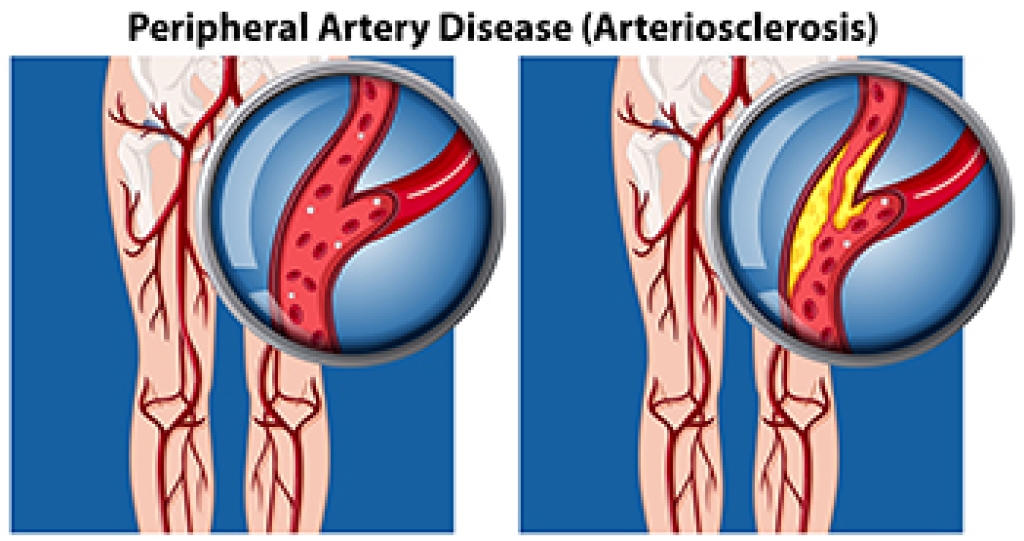
Peripheral artery disease (PAD) is a medical condition that can cause poor circulation in the lower limbs. This occurs due to a buildup of fatty plaques in the arteries that supply the lower limbs. The plaque causes arteries to narrow and harden, making it more difficult for blood to travel through them and bring oxygen and nutrients to the feet and ankles. In its early stages, PAD may be asymptomatic. As it progresses, symptoms can include foot and leg cramps, numbness, weakness, coldness, skin discoloration, hair loss, and slow-healing sores and wounds on the lower limbs. Your podiatrist can screen you for PAD through a variety of simple, noninvasive tests. If you suspect that you may have PAD, or if you are an older adult or have a family history of vascular disease, it is suggested that you visit a podiatrist for a PAD screening. 

Peripheral artery disease can pose a serious risk to your health. It can increase the risk of stroke and heart attack. If you have symptoms of peripheral artery disease, consult with James P. Huish, DPM from Arizona. Our doctors will assess your condition and provide you with quality foot and ankle treatment.

Peripheral artery disease (PAD) is when arteries are constricted due to plaque (fatty deposits) build-up. This results in less blood flow to the legs and other extremities. The main cause of PAD is atherosclerosis, in which plaque builds up in the arteries.

Symptoms

Symptoms of PAD include:

  • Claudication (leg pain from walking)
  • Numbness in legs
  • Decrease in growth of leg hair and toenails
  • Paleness of the skin
  • Erectile dysfunction
  • Sores and wounds on legs and feet that won’t heal
  • Coldness in one leg

It is important to note that a majority of individuals never show any symptoms of PAD.

Diagnosis

While PAD occurs in the legs and arteries, Podiatrists can diagnose PAD. Podiatrists utilize a test called an ankle-brachial index (ABI). An ABI test compares blood pressure in your arm to you ankle to see if any abnormality occurs. Ultrasound and imaging devices may also be used.

Treatment

Fortunately, lifestyle changes such as maintaining a healthy diet, exercising, managing cholesterol and blood sugar levels, and quitting smoking, can all treat PAD. Medications that prevent clots from occurring can be prescribed. Finally, in some cases, surgery may be recommended.

If you have any questions, please feel free to contact our office located in Safford and Sierra Vista, AZ . We offer the newest diagnostic and treatment technologies for all your foot care needs.

Read more about Peripheral Artery Disease

Are Bunions Affecting Your Everyday Life?

Have you noticed a bony protrusion on the side of your big toe? If so, you may have developed the foot condition known as a bunion. Don't let bunions interfere with your daily activities.

Possible Causes of Pain in the Complex Ankle Joint

The ankle joint is a complex structure that connects the foot with the lower part of the leg, and allows your foot to move up and down. The bones in the ankle include the talus (in the lower part of the joint), as well as the tibia and fibula bones (in the leg). The ankle also includes ligaments that support and hold the ankle together, as well as cartilage, muscles, and tendons. Ankle pain can be caused by a variety of conditions including sprains, strains, injuries, Achilles tendonitis, and various forms of arthritis. Along with pain, these conditions may also cause swelling, bruising, tingles, or numbness, redness, weakness, and stiffness in the ankle. It may even be difficult or impossible to apply weight to the ankle or walk. If you are experiencing any of these symptoms, make an appointment with a podiatrist for a thorough examination to determine the root cause of your discomfort, and to receive proper treatment.

Ankle pain can have many different causes and the pain may potentially be serious. If you have ankle pain, consult with James P. Huish, DPM from Arizona. Our doctors will assess your condition and provide you with quality foot and ankle treatment.

Ankle pain is any condition that causes pain in the ankle. Due to the fact that the ankle consists of tendons, muscles, bones, and ligaments, ankle pain can come from a number of different conditions.

Causes

The most common causes of ankle pain include:

  • Types of arthritis (rheumatoid, osteoarthritis, and gout)
  • Ankle sprains
  • Broken ankles
  • Achilles tendinitis
  • Achilles tendon rupture
  • Stress fractures
  • Tarsal tunnel syndrome
  • Plantar fasciitis

Symptoms

Symptoms of ankle injury vary based upon the condition. Pain may include general pain and discomfort, swelling, aching, redness, bruising, burning or stabbing sensations, and/or loss of sensation.

Diagnosis

Due to the wide variety of potential causes of ankle pain, podiatrists will utilize a number of different methods to properly diagnose ankle pain. This can include asking for personal and family medical histories and of any recent injuries. Further diagnosis may include sensation tests, a physical examination, and potentially x-rays or other imaging tests.

Treatment

Just as the range of causes varies widely, so do treatments. Some more common treatments are rest, ice packs, keeping pressure off the foot, orthotics and braces, medication for inflammation and pain, and surgery.

If you have any questions please feel free to contact our office located in Safford and Sierra Vista, AZ . We offer the newest diagnostic tools and technology to treat your foot and ankle needs.

Read more about Ankle Pain

Connect With Us

scroll-to-top