
Have your child's feet been examined lately? Healthy feet are happy feet. If your child is complaining of foot pain, it may be a sign of underlying problems.
Have your child's feet been examined lately? Healthy feet are happy feet. If your child is complaining of foot pain, it may be a sign of underlying problems.

Peripheral neuropathy affects the nerves that carry messages between the feet and the brain. When these nerves are not working properly, people may experience numbness, tingling, burning, or a pins and needles feeling in the feet or toes. In some cases, sensation becomes reduced, making it harder to feel pain, heat, or pressure. This can increase the risk of unnoticed injuries, skin breakdown, or balance issues. Although causes can vary, peripheral neuropathy is often linked to diabetes, circulation problems, certain medications, or nerve compression. Symptoms may develop gradually and worsen over time, if not addressed. Daily foot checks and wearing supportive footwear are important parts of care. Early evaluation helps reduce complications and protect long-term foot health. If changes in sensation, balance, or foot comfort are noticed, it is suggested that a podiatrist provide guidance on evaluation and treatment options.
Neuropathy
Neuropathy can be a potentially serious condition, especially if it is left undiagnosed. If you have any concerns that you may be experiencing nerve loss in your feet, consult with James P. Huish, DPM from Arizona. Our doctors will assess your condition and provide you with quality foot and ankle treatment for neuropathy.
What Is Neuropathy?
Neuropathy is a condition that leads to damage to the nerves in the body. Peripheral neuropathy, or neuropathy that affects your peripheral nervous system, usually occurs in the feet. Neuropathy can be triggered by a number of different causes. Such causes include diabetes, infections, cancers, disorders, and toxic substances.
Symptoms of Neuropathy Include:
Those with diabetes are at serious risk due to being unable to feel an ulcer on their feet. Diabetics usually also suffer from poor blood circulation. This can lead to the wound not healing, infections occurring, and the limb may have to be amputated.
Treatment
To treat neuropathy in the foot, podiatrists will first diagnose the cause of the neuropathy. Figuring out the underlying cause of the neuropathy will allow the podiatrist to prescribe the best treatment, whether it be caused by diabetes, toxic substance exposure, infection, etc. If the nerve has not died, then it’s possible that sensation may be able to return to the foot.
Pain medication may be issued for pain. Electrical nerve stimulation can be used to stimulate nerves. If the neuropathy is caused from pressure on the nerves, then surgery may be necessary.
If you have any questions, please feel free to contact our office located in Safford and Sierra Vista, AZ . We offer the newest diagnostic and treatment technologies for all your foot care needs.

Flat feet are a foot condition in which the arches collapse or fail to develop fully, causing the feet to roll inward during standing and walking. When the feet roll in, the ankles often tilt down toward the ground on one side, creating instability and uneven weight distribution. This altered alignment can have a domino effect on the knees and hip joints, leading to discomfort and joint strain over time. Flat feet are also linked to plantar fasciitis, foot fatigue, in addition to foot and ankle arthritis. A podiatrist can evaluate foot structure, gait, and alignment to determine the severity of flat feet. Treatment may include supportive footwear, custom orthotics, and targeted therapies. If you have flat feet and foot pain or joint discomfort is affecting your daily life, it is suggested that you schedule a visit with a podiatrist for relief and management tips.
Flatfoot is a condition many people suffer from. If you have flat feet, contact James P. Huish, DPM from Arizona. Our doctors will treat your foot and ankle needs.
What Are Flat Feet?
Flatfoot is a condition in which the arch of the foot is depressed and the sole of the foot is almost completely in contact with the ground. About 20-30% of the population generally has flat feet because their arches never formed during growth.
Conditions & Problems:
Having flat feet makes it difficult to run or walk because of the stress placed on the ankles.
Alignment – The general alignment of your legs can be disrupted, because the ankles move inward which can cause major discomfort.
Knees – If you have complications with your knees, flat feet can be a contributor to arthritis in that area.
Symptoms
Treatment
If you are experiencing pain and stress on the foot you may weaken the posterior tibial tendon, which runs around the inside of the ankle.
If you have any questions, please feel free to contact our office located in Safford and Sierra Vista, AZ . We offer the newest diagnostic and treatment technologies for all your foot care needs.

The Achilles tendon plays a crucial role in walking, running, and pushing off the ground, which makes injuries to this structure both painful and limiting. Problems can occur from overuse, tight calf muscles, sudden increases in activity, or wearing improper footwear. Common conditions include tendonitis, which causes inflammation and soreness, and tendinosis, which involves gradual weakening of the tendon fibers. More severe achilles tendon injuries, such as partial tears or complete ruptures, may happen during explosive movements or sports activities. Symptoms often include sharp or aching pain along the back of the heel, stiffness in the morning, swelling, or difficulty rising onto the toes. Early care focuses on reducing strain through rest, stretching, and wearing supportive footwear. More advanced injuries may require immobilization, targeted exercises, or surgical correction. If you notice ongoing pain or difficulty with everyday movement, it is suggested that you see a podiatrist who can provide a thorough evaluation and recommend appropriate treatment.
Achilles tendon injuries need immediate attention to avoid future complications. If you have any concerns, contact James P. Huish, DPM of Arizona. Our doctors can provide the care you need to keep you pain-free and on your feet.
What Is the Achilles Tendon?
The Achilles tendon is a tendon that connects the lower leg muscles and calf to the heel of the foot. It is the strongest tendon in the human body and is essential for making movement possible. Because this tendon is such an integral part of the body, any injuries to it can create immense difficulties and should immediately be presented to a doctor.
What Are the Symptoms of an Achilles Tendon Injury?
There are various types of injuries that can affect the Achilles tendon. The two most common injuries are Achilles tendinitis and ruptures of the tendon.
Achilles Tendinitis Symptoms
Rupture Symptoms
Treatment and Prevention
Achilles tendon injuries are diagnosed by a thorough physical evaluation, which can include an MRI. Treatment involves rest, physical therapy, and in some cases, surgery. However, various preventative measures can be taken to avoid these injuries, such as:
If you have any questions please feel free to contact our office located in Safford and Sierra Vista, AZ . We offer the newest diagnostic tools and technology to treat your foot and ankle needs.
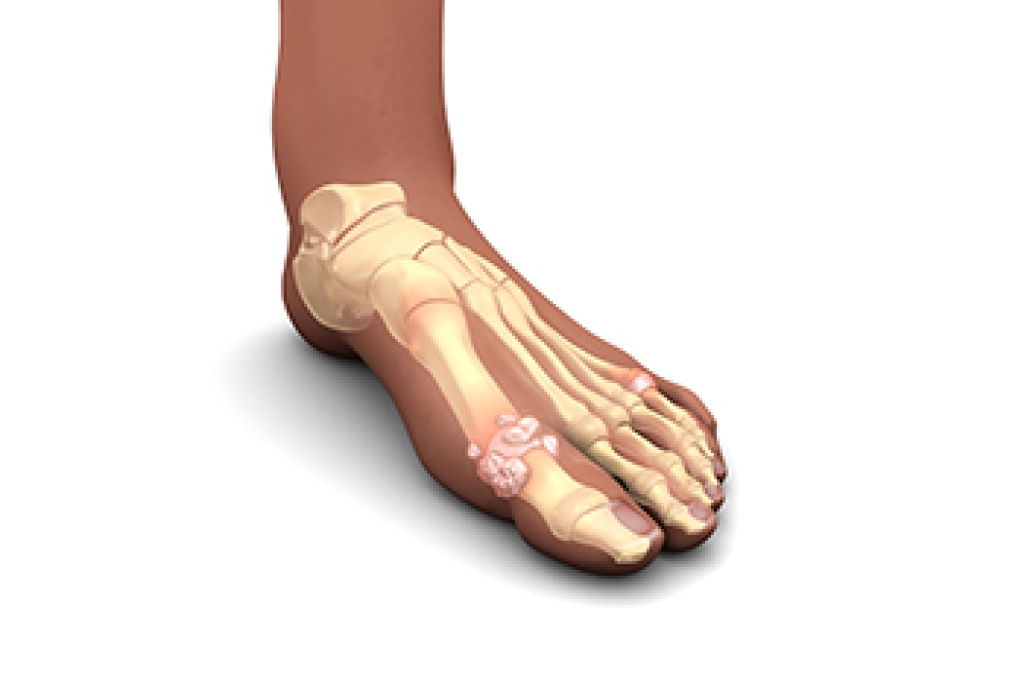
Gout is a form of inflammatory arthritis caused by a buildup of uric acid crystals within a joint, most commonly affecting the foot and big toe. Gout pain often worsens at night because body temperature drops, fluid shifts, and movement decreases, allowing crystals to irritate the joint more intensely. Symptoms include sudden severe pain, swelling, redness, warmth, and stiffness that can make even light touch uncomfortable. Risk factors include genetics, diet, dehydration, obesity, kidney issues, and certain medications. Causes involve excess uric acid production or reduced elimination from the body. A podiatrist can help by diagnosing gout, managing flare-ups, reducing joint inflammation, and advising on footwear and lifestyle changes to protect the feet. Ongoing care can help prevent joint damage and future attacks. If you have sudden nighttime foot pain or swelling, it is suggested that you consult a podiatrist who can help you to manage this painful condition.
Gout is a painful condition that can be treated. If you are seeking treatment, contact James P. Huish, DPM from Arizona. Our doctors will treat your foot and ankle needs.
What Is Gout?
Gout is a form of arthritis that is characterized by sudden, severe attacks of pain, redness, and tenderness in the joints. The condition usually affects the joint at the base of the big toe. A gout attack can occur at any random time, such as the middle of the night while you are asleep.
Symptoms
Risk Factors
Prior to visiting your podiatrist to receive treatment for gout, there are a few things you should do beforehand. If you have gout you should write down your symptoms--including when they started and how often you experience them, important medical information you may have, and any questions you may have. Writing down these three things will help your podiatrist in assessing your specific situation so that he or she may provide the best route of treatment for you.
If you have any questions, please feel free to contact our office located in Safford and Sierra Vista, AZ . We offer the newest diagnostic and treatment technologies for all your foot care needs.
Connect With Us
