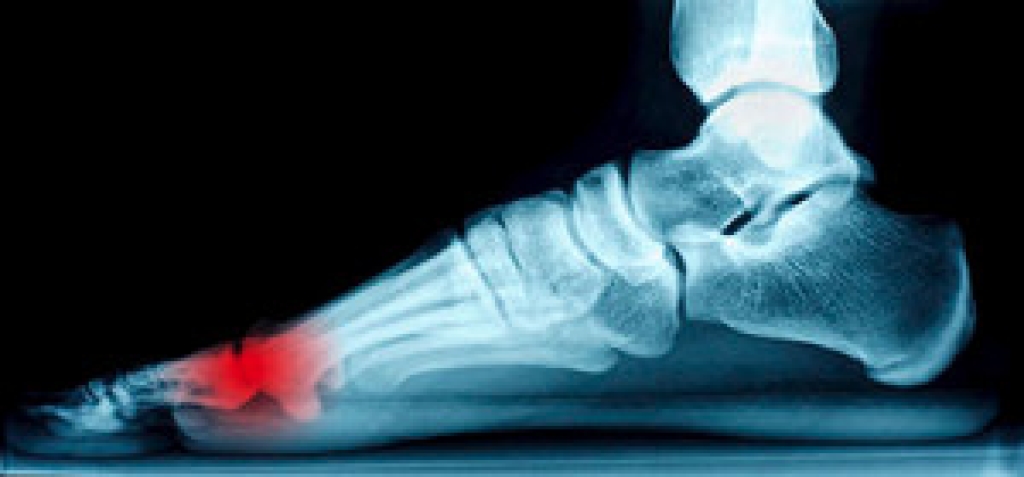
Where Are the Sesamoid Bones?

The medical condition that is known as sesamoiditis can cause pain in the joints of the big toe. It can happen as a result of inflammation of the sesamoid bones, which are two bones that are found beneath that joint. These particular bones are found inside tendons that are attached to the bones, and if an injury occurs, the entire area may become painful, which may cause difficulty in walking. The sesamoid bones may be impacted if an injury occurs, or if there is an abnormal foot structure present. Relief may be found when the injured foot is elevated, as this may diminish a portion of existing pain and swelling. If you feel you have pain in this part of your foot, and are exhibiting symptoms of sesamoiditis, it is suggested that you speak with a podiatrist who can properly diagnose and treat this condition.

Sesamoiditis is an unpleasant foot condition characterized by pain in the balls of the feet. If you think you’re struggling with sesamoiditis, contact James P. Huish, DPM of Arizona. Our doctors will treat your condition thoroughly and effectively.

Sesamoiditis

Sesamoiditis is a condition of the foot that affects the ball of the foot. It is more common in younger people than it is in older people. It can also occur with people who have begun a new exercise program, since their bodies are adjusting to the new physical regimen. Pain may also be caused by the inflammation of tendons surrounding the bones. It is important to seek treatment in its early stages because if you ignore the pain, this condition can lead to more serious problems such as severe irritation and bone fractures.

Causes of Sesamoiditis

  • Sudden increase in activity
  • Increase in physically strenuous movement without a proper warm up or build up
  • Foot structure: those who have smaller, bonier feet or those with a high arch may be more susceptible

Treatment for sesamoiditis is non-invasive and simple. Doctors may recommend a strict rest period where the patient forgoes most physical activity. This will help give the patient time to heal their feet through limited activity. For serious cases, it is best to speak with your doctor to determine a treatment option that will help your specific needs.

If you have any questions, please feel free to contact our office located in Safford and Sierra Vista, AZ . We offer the newest diagnostic and treatment technologies for all your foot care needs.

Read more about Sesamoiditis

Where Is the Plantar Fascia?

Research has indicated that many cases of plantar fasciitis do not occur as a result of a traumatic injury. The plantar fascia is a portion of tissue that runs along the bottom of the foot, and connects the heels to the toes. If it tears or becomes inflamed, plantar fasciitis can develop, and this may cause severe pain and discomfort. Many people who are afflicted with this condition will gradually experience this ailment, and it can happen from standing on hard surfaces for extended periods of time throughout the day. Additionally, wearing shoes that do not fit correctly may play a significant role in developing plantar fasciitis. There are a variety of methods to treat this condition. If you have heel pain, and think it may indicate plantar fasciitis, it is strongly suggested that you consult with a podiatrist who can offer treatment options that are best for you.

Plantar fasciitis is a common foot condition that is often caused by a strain injury. If you are experiencing heel pain or symptoms of plantar fasciitis, contact James P. Huish, DPM from Arizona. Our doctors can provide the care you need to keep you pain-free and on your feet.

What Is Plantar Fasciitis?

Plantar fasciitis is one of the most common causes of heel pain. The plantar fascia is a ligament that connects your heel to the front of your foot. When this ligament becomes inflamed, plantar fasciitis is the result. If you have plantar fasciitis you will have a stabbing pain that usually occurs with your first steps in the morning. As the day progresses and you walk around more, this pain will start to disappear, but it will return after long periods of standing or sitting.

What Causes Plantar Fasciitis?

  • Excessive running
  • Having high arches in your feet
  • Other foot issues such as flat feet
  • Pregnancy (due to the sudden weight gain)
  • Being on your feet very often

There are some risk factors that may make you more likely to develop plantar fasciitis compared to others. The condition most commonly affects adults between the ages of 40 and 60. It also tends to affect people who are obese because the extra pounds result in extra stress being placed on the plantar fascia.

Prevention

  • Take good care of your feet – Wear shoes that have good arch support and heel cushioning.
  • Maintain a healthy weight
  • If you are a runner, alternate running with other sports that won’t cause heel pain

There are a variety of treatment options available for plantar fasciitis along with the pain that accompanies it. Additionally, physical therapy is a very important component in the treatment process. It is important that you meet with your podiatrist to determine which treatment option is best for you.

If you have any questions, please feel free to contact our office located in Safford and Sierra Vista, AZ . We offer the newest diagnostic and treatment technologies for all your foot care needs.
 

Read more about Plantar Fasciitis

Reminder: When Was the Last Time...?

Custom orthotics, or shoe inserts, should be periodically replaced. Orthotics must fit properly to give you the best results. Protect your feet and ankles!

Relieving Blister Pain

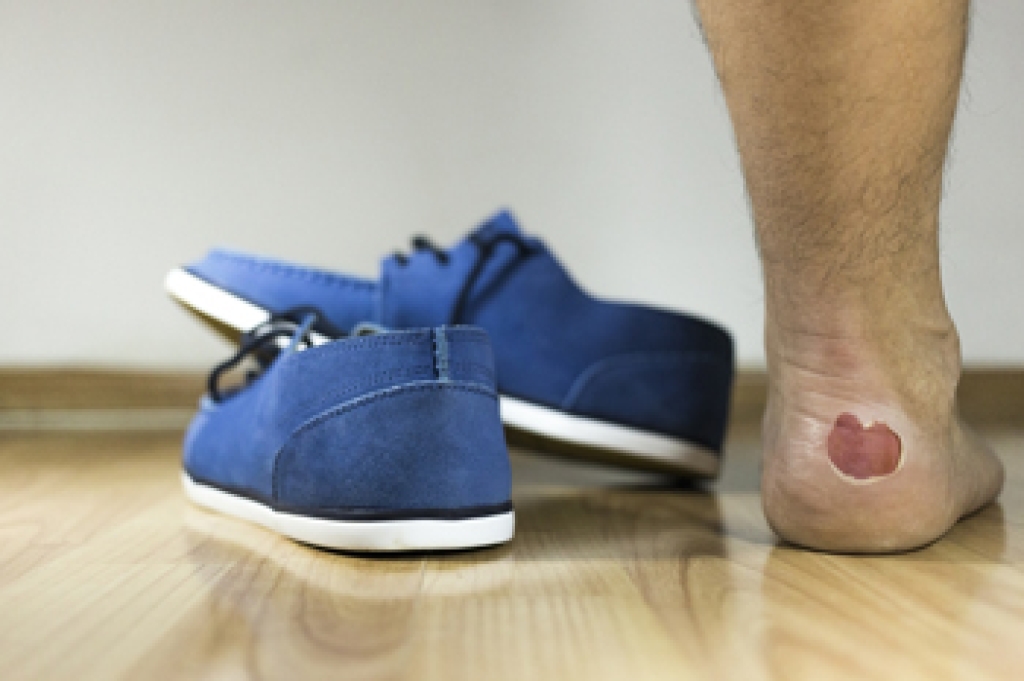
Blisters may form on your feet as your body’s defense against an injury that has occurred, such as excessive friction on the skin. Blisters normally appear as small, fluid-filled sacs on the surface of the skin. They can cause a great deal of discomfort when frequently touched or rubbed against by shoes that are worn. Blisters can develop due to ill-fitting footwear that are usually too tight. To help relieve the pain a blister can bring and reduce swelling, it’s suggested that the affected area is iced, rested, and elevated. Blisters typically drain on their own as the healing process occurs. For more information on how to best treat a blister, it’s suggested that you consult with a podiatrist.

Blisters are prone to making everyday activities extremely uncomfortable. If your feet are hurting, contact James P. Huish, DPM of Arizona. Our doctors can provide the care you need to keep you pain-free and on your feet.

Foot Blisters

Foot blisters develop as a result of constantly wearing tight or ill-fitting footwear. This happens due to the constant rubbing from the shoe, which can often lead to pain.

What Are Foot Blisters?

A foot blister is a small fluid-filled pocket that forms on the upper-most layer of the skin. Blisters are filled with clear fluid and can lead to blood drainage or pus if the area becomes infected.

How Do Blisters Form?

Blisters on the feet are often the result of constant friction of skin and material, usually by shoe rubbing. Walking in sandals, boots, or shoes that don’t fit properly for long periods of time can result in a blister. Having consistent foot moisture and humidity can easily lead to blister formation.

Prevention & Treatment

It is important to properly care for the affected area in order to prevent infection and ease the pain. Do not lance the blister and use a Band-Aid to provide pain relief. Also, be sure to keep your feet dry and wear proper fitting shoes. If you see blood or pus in a blister, seek assistance from a podiatrist.

If you have any questions, please feel free to contact our office located in Safford and Sierra Vista, AZ . We offer the newest diagnostic and treatment technologies for all your foot care needs.
Read more about Blisters

Common Symptoms of Corns

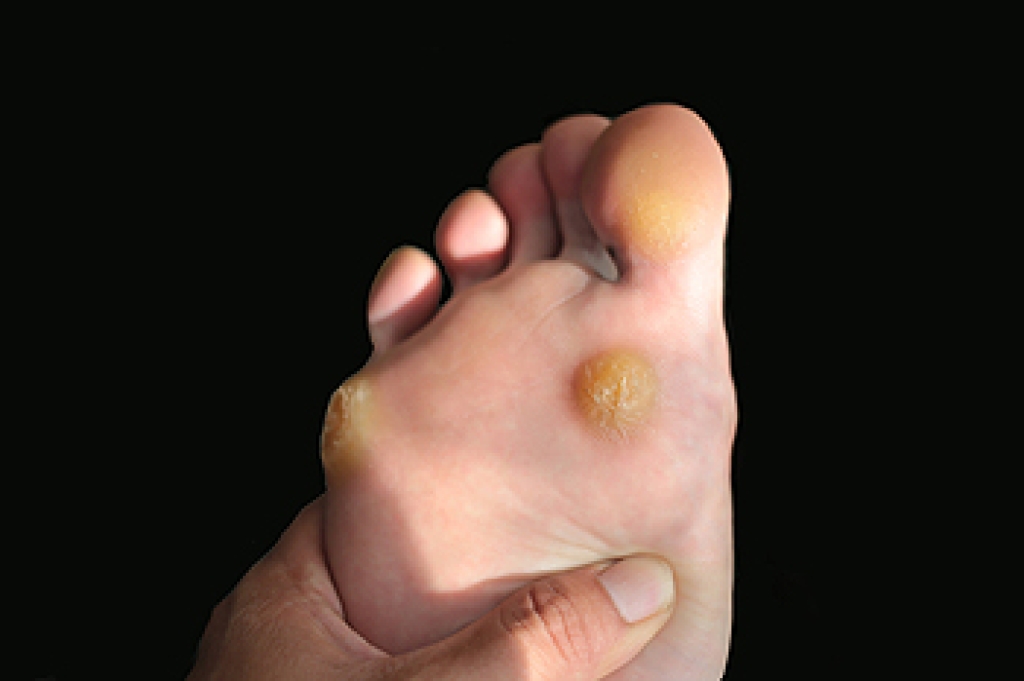
If you have noticed a thickened layer of skin, often appearing in a small, ball-like shape, you may have developed a foot condition known as a corn. Corns generally form due to excess pressure put on the soles of the feet, and are known to be recurring if not properly treated. Corns are generally sore to the touch and may become increasingly more painful overtime. To help treat this condition, it may be beneficial to wear corn caps, have cryosurgery performed, or wear shoe inserts for extra support and cushion. Some patients have found soaking their feet in warm water followed by filing their corn with a pumice stone to be helpful in relieving discomfort. To determine which treatment option is best for you, and to prevent corns from recurring, it’s suggested you consult with your local podiatrist.

If you have any concerns regarding your feet and ankles, contact James P. Huish, DPM of Arizona. Our doctors will treat your foot and ankle needs.

Corns: What Are They? and How Do You Get Rid of Them?
Corns can be described as areas of the skin that have thickened to the point of becoming painful or irritating. They are often layers and layers of the skin that have become dry and rough, and are normally smaller than calluses.

Ways to Prevent Corns
There are many ways to get rid of painful corns such as wearing:

  • Well-fitting socks
  • Comfortable shoes that are not tight around your foot
  • Shoes that offer support

Treating Corns
Treatment of corns involves removing the dead skin that has built up in the specific area of the foot. Consult with Our doctors to determine the best treatment option for your case of corns.

If you have any questions, please feel free to contact our office located in Safford and Sierra Vista, AZ . We offer the newest diagnostic and treatment technologies for all your foot care needs.

Read more about Understanding Corns and Calluses

Connect With Us

scroll-to-top