
Do you suffer from heel pain when you get up in the morning? If so, you should seek professional help and have a proper diagnosis performed. Heel pain can be caused by several different foot-related conditions.
Do you suffer from heel pain when you get up in the morning? If so, you should seek professional help and have a proper diagnosis performed. Heel pain can be caused by several different foot-related conditions.
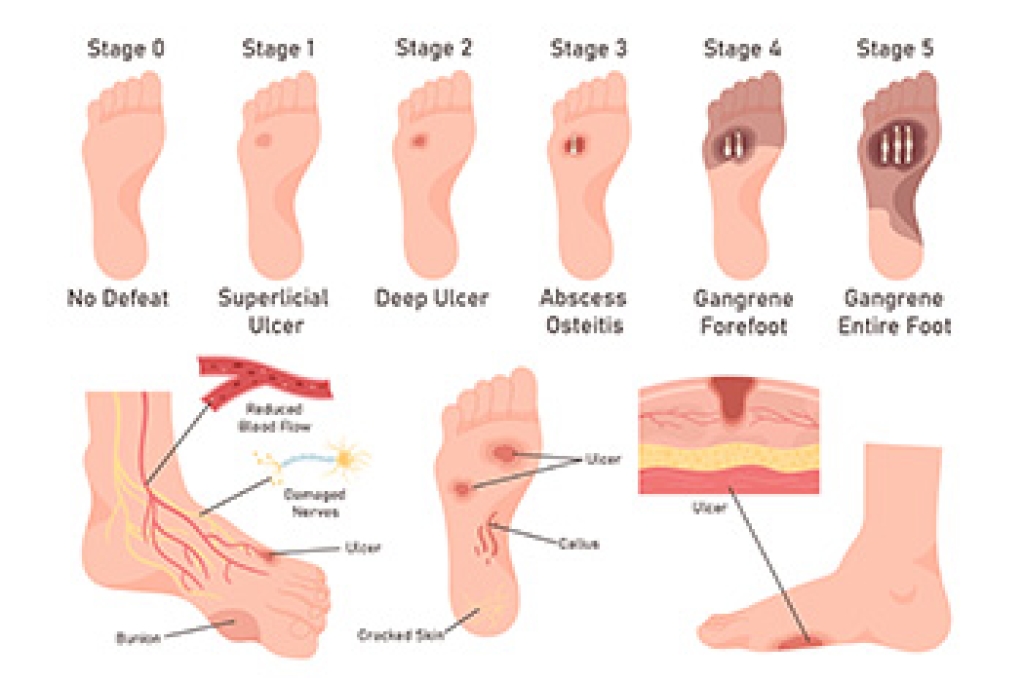
Limb salvage refers to advanced medical treatments designed to prevent limb loss in patients with severe diabetic foot ulcers. These ulcers develop from poor circulation, nerve damage, and slow healing associated with diabetes. The goal of limb salvage is to remove infected or dead tissue, restore blood flow, and promote healing to preserve the affected limb. A podiatrist plays a vital role by managing wound care, controlling infection, and coordinating specialized treatments such as vascular therapy or offloading techniques. Early intervention greatly improves outcomes and helps patients maintain mobility and quality of life. For expert diabetic foot care and limb preservation, it is suggested that you are under the care of a podiatrist who can discuss the benefits of this type of surgery.
Limb salvage can be an effective way in preventing the need for limb amputation. If you have diabetes, cancer, or any other condition that could lead to foot amputation if left unchecked, consult with James P. Huish, DPM from Arizona. Our doctors will assess your condition and provide you with quality foot and ankle treatment.
What Is Limb Salvage?
Limb salvage is the attempt of saving a limb, such as the foot from amputation. Podiatrists also try to make sure that there is enough function in the foot after the salvage that it is still usable. Diabetes is the number one cause of non-traumatic amputations in the United States. Those with diabetes experience poor blood circulation, which prevents proper healing of an ulcer. If the ulcer is left uncheck, it could become infected, which could result in the need for amputation.
However, there are other causes as well, such as cancer and traumatic injury. Links between higher mortality rates and amputation have been found. This translates into higher healthcare costs, and a reduced quality of life and mobility for amputees. Podiatrists have attempted to increase the prevalence of limb salvage in an attempt to solve these issues.
Diagnosis and Treatment
Limb salvage teams have grown in recent years that utilize a number of different treatments to save the infected limb. This includes podiatrists that specialize in wound care, rehabilitation, orthotics, and surgery. Through a combination of these methods, limb salvage has been found to be an effective treatment for infected limbs, and as an alternative to amputation. Podiatrists will first evaluate the potential for limb salvage and determine if the limb can be saved or must be amputated.
If you have any questions, please feel free to contact our office located in Safford and Sierra Vista, AZ . We offer the newest diagnostic and treatment technologies for all your foot care needs.

When babies begin to walk, choosing the right shoes is important for healthy foot development. Babies do not need shoes until they start walking outdoors, as barefoot play helps strengthen their feet and improve balance. When it is time for shoes, look for flexible soles, breathable materials, and a secure yet comfortable fit that allows natural movement. Avoid stiff or overly structured shoes that restrict growth or mobility. A podiatrist can assess your baby’s foot development, check for any alignment concerns, and recommend the best shoe type for proper support. If you have questions about your baby’s first shoes or notice walking difficulties, it is suggested that you schedule a visit with a podiatrist who can examine your child's feet, and guide you on the proper shoes to buy.
The health of a child’s feet is vital to their overall well-being. If you have any questions regarding foot health, contact James P. Huish, DPM of Arizona. Our doctors can provide the care you need to keep you pain-free and on your feet.
Tips for Keeping Children's Feet Healthy
If you have any questions, please feel free to contact our office located in Safford and Sierra Vista, AZ . We offer the newest diagnostic and treatment technologies for all your foot care needs.
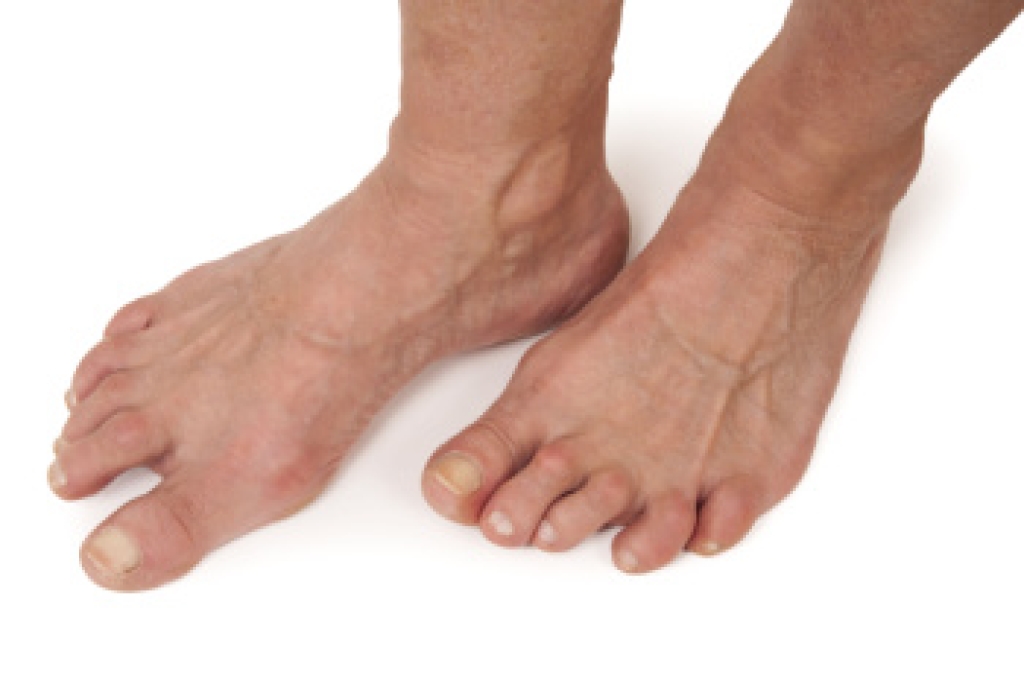
Rheumatoid arthritis is an autoimmune condition that can cause inflammation in the small joints of the toes, leading to pain, stiffness, swelling, and deformity. It occurs when the immune system mistakenly attacks the lining of the joints, resulting in joint damage over time. In the toes, this may feel like a deep aching pain, often worse in the morning or after periods of rest. The toes may appear swollen, red, and may develop visible deformities, such as hammertoes or bunions. Walking can become painful, and wearing shoes may be difficult due to pressure on the joints. A podiatrist can assist with diagnosis through a clinical evaluation, medical history, and lab tests or imaging. Treatment may include custom orthotics, footwear modifications, and anti-inflammatory medications. In advanced cases, surgery may be considered. To manage symptoms and preserve mobility, it is suggested that you make an appointment with a podiatrist.
Because RA affects more than just your joints, including the joints in your feet and ankles, it is important to seek early diagnosis from your podiatrist if you feel like the pain in your feet might be caused by RA. For more information, contact James P. Huish, DPM of Arizona. Our doctors will assist you with all of your podiatric concerns.
What Is Rheumatoid Arthritis?
Rheumatoid Arthritis (RA) is an autoimmune disorder in which the body’s own immune system attacks the membranes surrounding the joints. Inflammation of the lining and eventually the destruction of the joint’s cartilage and bone occur, causing severe pain and immobility.
Rheumatoid Arthritis of the Feet
Although RA usually attacks multiple bones and joints throughout the entire body, almost 90 percent of cases result in pain in the foot or ankle area.
Symptoms
Diagnosis
Quick diagnosis of RA in the feet is important so that the podiatrist can treat the area effectively. Your doctor will ask you about your medical history, occupation, and lifestyle to determine the origin of the condition. Rheumatoid Factor tests help to determine if someone is affected by the disease.
If you have any questions, please feel free to contact our office located in Safford and Sierra Vista, AZ . We offer the newest diagnostic and treatment technologies for all your foot care needs.
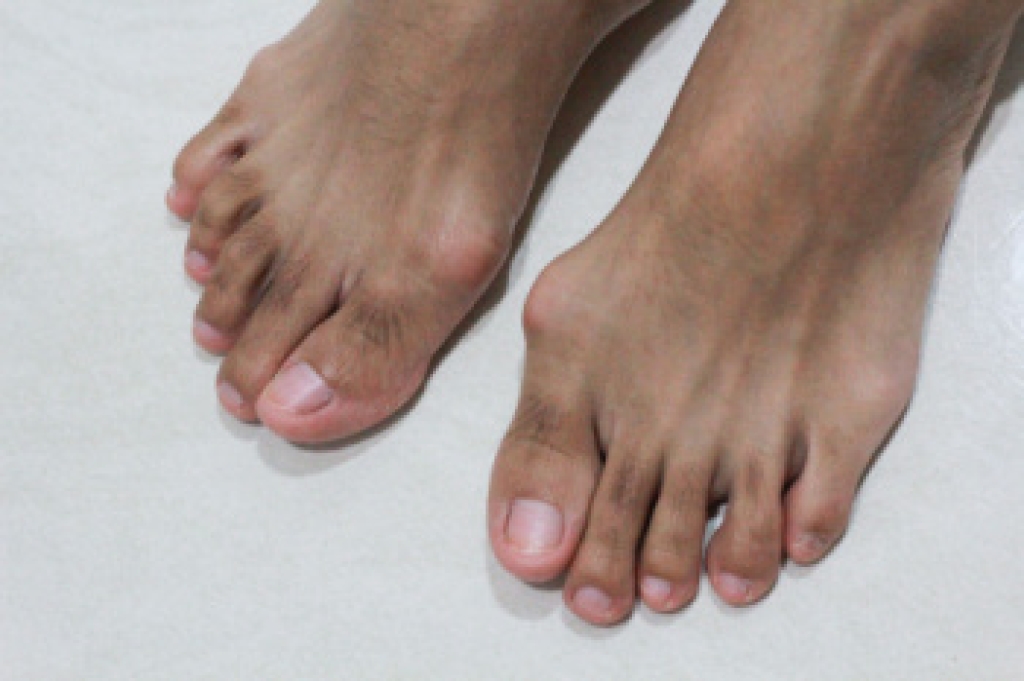
Bunions are bony bumps that form at the base of the big toe when the joint shifts out of alignment. They can be caused by a variety of factors, including genetics, wearing tight or narrow shoes, and arthritis. Other factors are foot injuries or abnormal foot mechanics, such as flat feet or overpronation. Symptoms include a visible bump on the side of the foot, redness, swelling, pain, and difficulty finding in comfortable footwear. The affected area may feel tender or stiff, and walking can become increasingly uncomfortable as the bunion worsens. A podiatrist can diagnose bunions through a physical examination and imaging tests like X-rays to assess the severity of the deformity. Treatment options range from conservative measures, such as padding, orthotics, and shoe modifications, to minimally invasive or traditional surgery, in more severe cases. Early care can help reduce pain and prevent progression. If you have the beginning signs of a bunion, it is suggested that you schedule an appointment with a podiatrist to discuss symptoms and develop an effective treatment plan.
If you are suffering from bunion pain, contact James P. Huish, DPM of Arizona. Our doctors can provide the care you need to keep you pain-free and on your feet.
What Is a Bunion?
Bunions are painful bony bumps that usually develop on the inside of the foot at the joint of the big toe. As the deformity increases over time, it may become painful to walk and wear shoes. Women are more likely to exacerbate existing bunions since they often wear tight, narrow shoes that shift their toes together. Bunion pain can be relieved by wearing wider shoes with enough room for the toes.
Causes
Symptoms
In order to diagnose your bunion, your podiatrist may ask about your medical history, symptoms, and general health. Your doctor might also order an x-ray to take a closer look at your feet. Nonsurgical treatment options include orthotics, padding, icing, changes in footwear, and medication. If nonsurgical treatments don’t alleviate your bunion pain, surgery may be necessary.
If you have any questions, please feel free to contact our office located in Safford and Sierra Vista, AZ . We offer the newest diagnostic and treatment technologies for all your foot care needs.
Connect With Us
