
Maintaining Optimum Foot Health During Pregnancy

Foot problems during pregnancy are a generally common albeit potentially painful and uncomfortable occurrence. Both swollen legs and feet are common in late pregnancy. This swelling stems from too much fluid in the veins leaking into nearby tissue in the legs and feet. This swelling can lead to a throbbing and painful sensation. Ways to potentially avoid or mitigate this include raising your feet up whenever possible, staying active and exercising, not crossing your legs, and seeing a podiatrist who can monitor your feet. Don't be shocked if your feet swell and cause them to become too large for your shoes; if this occurs, find shoes that fit properly, support your feet, and are comfortable. Podiatrists are an excellent source of information if you have concerns about your feet while pregnant. They can provide individually suited medical advice and care for any foot-related problems stemming from pregnancy.

Pregnant women with swollen feet can be treated with a variety of different methods that are readily available. For more information about other cures for swollen feet during pregnancy, consult with James P. Huish, DPM from Arizona. Our doctors will attend to all of your foot and ankle needs.

What Foot Problems Can Arise During Pregnancy?

One problem that can occur is overpronation, which occurs when the arch of the foot flattens and tends to roll inward.  This can cause pain and discomfort in your heels while you’re walking or even just standing up, trying to support your baby.  

Another problem is edema, or swelling in the extremities. This often affects the feet during pregnancy but tends to occur in the later stages. 

How Can I Keep My Feet Healthy During Pregnancy?

  • Wearing orthotics can provide extra support for the feet and help distribute weight evenly
  • Minimize the amount of time spent walking barefoot
  • Wear shoes with good arch support
  • Wear shoes that allow for good circulation to the feet
  • Elevate feet if you experience swelling
  • Massage your feet
  • Get regular, light exercise, such as walking, to promote blood circulation to the feet

If you have any questions, please feel free to contact our office located in Safford and Sierra Vista, AZ . We offer the newest diagnostic and treatment technologies for all your foot care needs.
Read more about Pregnancy and Foot Health

Denver Nuggets Player Will Barton Injures Foot or Ankle

Will Barton, a guard on the Denver Nuggets, suffered a right ankle/foot injury during a practice. It is unknown what the exact cause of injury was or whether it was only the foot or ankle that was injured or both. Barton was practicing one-on-one with fellow teammates when the injury occurred. Coach Michael Malone said he hoped that the injury wasn’t serious. It is unknown whether or not Barton will be able to play and for how long it will take him to heal. Barton is considered to be a good player on the Nuggets, and his injury is a huge loss for the team.

Sports related foot and ankle injuries require proper treatment before players can go back to their regular routines. For more information, contact James P. Huish, DPM of Arizona. Our doctors can provide the care you need to keep you pain-free and on your feet.

Sports Related Foot and Ankle Injuries

Foot and ankle injuries are a common occurrence when it comes to athletes of any sport. While many athletes dismiss the initial aches and pains, the truth is that ignoring potential foot and ankle injuries can lead to serious problems. As athletes continue to place pressure and strain the area further, a mild injury can turn into something as serious as a rupture and may lead to a permanent disability. There are many factors that contribute to sports related foot and ankle injuries, which include failure to warm up properly, not providing support or wearing bad footwear. Common injuries and conditions athletes face, including:

  • Plantar Fasciitis
  • Achilles Tendinitis
  • Achilles Tendon Rupture
  • Ankle Sprains

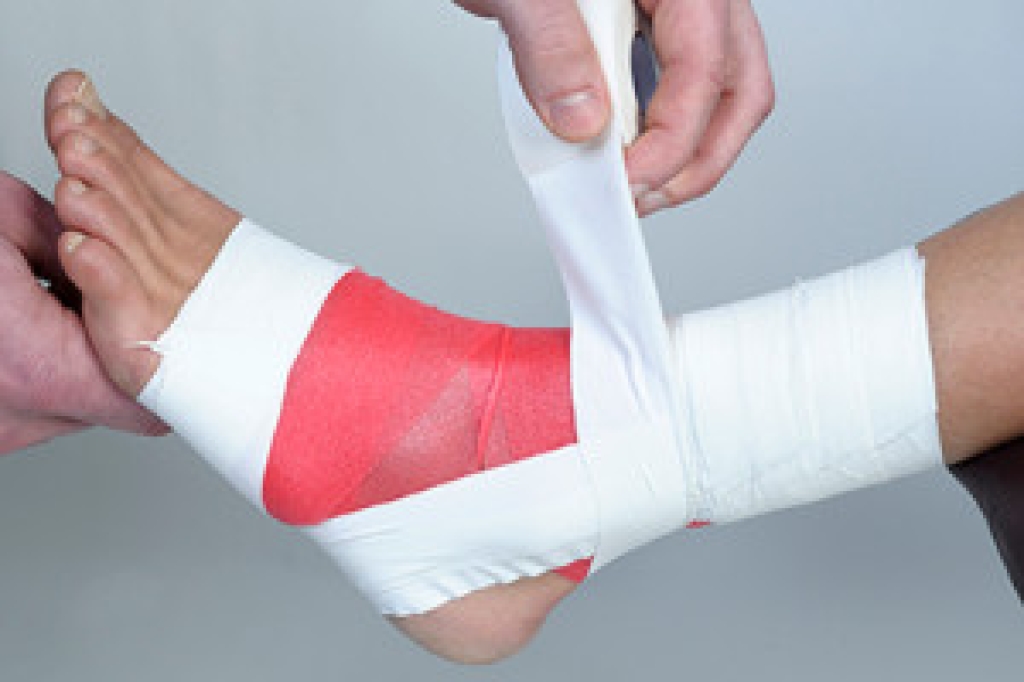
Sports related injuries are commonly treated using the RICE method. This includes rest, applying ice to the injured area, compression and elevating the ankle. More serious sprains and injuries may require surgery, which could include arthroscopic and reconstructive surgery. Rehabilitation and therapy may also be required in order to get any recovering athlete to become fully functional again. Any unusual aches and pains an athlete sustains must be evaluated by a licensed, reputable medical professional.

If you have any questions please contact our office located in Safford and Sierra Vista, AZ . We offer the newest diagnostic and treatment technologies for all your foot and ankle needs.

Read more about Sports Related Foot And Ankle Injuries

New Study Says That Aging Slows Reaction to Falls

A new study by the University of Waterloo says that the elderly need up to twice as long as young adults to realize they are falling. Seniors are already at an increased risk of falling due to a number of reasons. This study helps show that once they are falling, they don’t process it as quickly as a younger person would. Consequently, there are more times that seniors can’t react fast enough to catch themselves or brace for impact. Falls are a leading cause of hospitalization among the elderly. Studies like this and increased awareness are needed to help prevent future falls among this rapidly growing group of people.

Preventing falls among the elderly is very important. If you are older and have fallen or fear that you are prone to falling, consult with James P. Huish, DPM from Arizona. Our doctors will assess your condition and provide you with quality advice and care.

Every 11 seconds, an elderly American is being treated in an emergency room for a fall related injury. Falls are the leading cause of head and hip injuries for those 65 and older. Due to decreases in strength, balance, senses, and lack of awareness, elderly persons are very susceptible to falling. Thankfully, there are a number of things older persons can do to prevent falls.

How to Prevent Falls

Some effective methods that older persons can do to prevent falls include:

  • Enrolling in strength and balance exercise program to increase balance and strength
  • Periodically having your sight and hearing checked
  • Discuss any medications you have with a doctor to see if it increases the risk of falling
  • Clearing the house of falling hazards and installing devices like grab bars and railings
  • Utilizing a walker or cane
  • Wearing shoes that provide good support and cushioning
  • Talking to family members about falling and increasing awareness

Falling can be a traumatic and embarrassing experience for elderly persons; this can make them less willing to leave the house, and less willing to talk to someone about their fears of falling. Doing such things, however, will increase the likelihood of tripping or losing one’s balance. Knowing the causes of falling and how to prevent them is the best way to mitigate the risk of serious injury.  

If you have any questions, please feel free to contact our office located in Safford and Sierra Vista, AZ . We offer the newest diagnostic and treatment technologies for all your foot care needs.
Read more about Falls Prevention

Why Do Your Feet Sometimes Get Numb While Working Out?

Have your feet ever felt numb while you were working out? If so, then you may have experienced paresthesia, a numbness or prickling sensation that many people have temporarily experienced in their life. It is often described as a “pins and needles” sensation that usually goes away once the position of the body changes. Paresthesia is usually caused by a pinched nerve or reduced blood flow to a part of the body. When it comes to working out, the exercises we do can put our body in positions that may reduce blood flow. In other cases, the muscles can swell due to increased blood flow from exercising. Paresthesia is usually a normal condition and often goes away. Not everyone will experience paresthesia or foot swelling, and in most cases it isn’t serious. If, however, your feet have swollen up, feel numb, or you experience pain that doesn’t go away, it is recommended to see a podiatrist.
 

Poor circulation is a serious condition and needs immediate medical attention. If you have any concerns with poor circulation in your feet contact James P. Huish, DPM of Arizona. Our doctors will treat your foot and ankle needs.

Poor Circulation in the Feet

Poor blood circulation in the feet and legs is can be caused by peripheral artery disease (PAD), which is the result of a buildup of plaque in the arteries.

Plaque buildup or atherosclerosis results from excess calcium and cholesterol in the bloodstream. This can restrict the amount of blood which can flow through the arteries. Poor blood circulation in the feet and legs are sometimes caused by inflammation in the blood vessels, known as vasculitis.

Causes

Lack of oxygen and oxygen from poor blood circulation restricts muscle growth and development. It can also cause:

  • Muscle pain, stiffness, or weakness 
  • Numbness or cramping in the legs
  • Skin discoloration
  • Slower nail & hair growth
  • Erectile dysfunction

Those who have diabetes or smoke are at greatest risk for poor circulation, as are those who are over 50. If you have poor circulation in the feet and legs it may be caused by PAD and is important to make changes to your lifestyle in order to reduce risk of getting a heart attack or stroke. Exercise and maintaining a healthy lifestyle will dramatically improve conditions.

As always, see a podiatrist as he or she will assist in finding a regimen that suits you. A podiatrist can also prescribe you any needed medication. 

If you have any questions, please feel free to contact our office located in Safford and Sierra Vista, AZ . We offer the newest diagnostic and treatment technologies for all your foot care needs.

Read more about Causes, Symptoms, and Treatment of Poor Blood Circulation in the Feet

What is Tarsal Tunnel Syndrome?

Tarsal tunnel syndrome is a condition in which the posterior tibial nerve in the tarsal tunnel becomes pinched or compressed. This causes a number of symptoms including burning and shooting pain, a pins and needles sensation, numbness, and tightness in the foot. There are several reasons why the nerve could become compressed, which include bony prominences, bone spurs, abnormal heel position, and the swelling of tendons in the tarsal tunnel. Due to the nature of tarsal tunnel syndrome, diagnosis may be difficult because it can seem to mimic the symptoms of other conditions; heel pain and arch pain are some examples. It is best to see a podiatrist if you are experiencing any of those symptoms. Podiatrists can offer a number of treatments, such as orthotics, taping or bracing, rest, icing, anti-inflammatory medication, or even surgery if other treatments do not improve your condition.

Tarsal tunnel syndrome can be very uncomfortable to live with. If you are experiencing tarsal tunnel syndrome, contact James P. Huish, DPM of Arizona. Our doctors can provide the care you need to keep you pain-free and on your feet.

Tarsal Tunnel Syndrome

Tarsal tunnel syndrome, which can also be called tibial nerve dysfunction, is an uncommon condition of misfiring peripheral nerves in the foot. The tibial nerve is the peripheral nerve in the leg responsible for sensation and movement of the foot and calf muscles. In tarsal tunnel syndrome, the tibial nerve is damaged, causing problems with movement and feeling in the foot of the affected leg.

Common Cause of Tarsal Tunnel Syndrome

  • Involves pressure or an injury, direct pressure on the tibial nerve for an extended period of time, sometimes caused by other body structures close by or near the knee.
  • Diseases that damage nerves, including diabetes, may cause tarsal tunnel syndrome.
  • At times, tarsal tunnel syndrome can appear without an obvious cause in some cases.

The Effects of Tarsal Tunnel Syndrome

  • Different sensations, an afflicted person may experience pain, tingling, burning or other unusual sensations in the foot of the affected leg.
  • The foot muscles, toes and ankle become weaker, and curling your toes or flexing your foot can become difficult.
  • If condition worsens, infections and ulcers may develop on the foot that is experiencing the syndrome.

A physical exam of the leg can help identify the presence of tarsal tunnel syndrome. Medical tests, such as a nerve biopsy, are also used to diagnose the condition. Patients may receive physical therapy and prescriptive medication. In extreme cases, some may require surgery.

If you have any questions please contact our office located in Safford and Sierra Vista, AZ . We offer the newest diagnostic and treatment technologies for all your foot and ankle needs.

Read more about Tarsal Tunnel Syndrome

Connect With Us

scroll-to-top