Why Are Walking Shoes Different Than Running Shoes?

Walking shoes and running shoes are designed to accommodate different types of weight distribution, impact, and strides. Walking is a low-impact activity where an individual’s body weight rolls from heel to toe—distributing it evenly throughout the feet. Running is a high-impact activity requiring the body to absorb approximately three times its weight in various parts of the foot, depending on the running style and speed of movement. Walking shoes have a thick outsole and are generally more structured than a running shoe. They offer cushioned midsoles, stability and support for the heel, ankles and calves, and wide toe boxes. Running shoes come in a range of styles to help alleviate the force various running strides put on different areas of the feet. They are typically lighter weight than walking shoes to allow airflow, but provide extra cushioning at the heel and toe. Running shoes also have varying levels of support but are typically more flexible than walking shoes. A podiatrist can suggest walking and running shoes and create custom orthotics that are best suited for an individual’s specific foot structure and needs.

For more information about walking shoes versus running shoes, consult with James P. Huish, DPM from Arizona. Our doctors can measure your feet to determine what your needs are and help you find an appropriate pair of footwear.

Foot Health: The Differences between Walking & Running Shoes

There are great ways to stay in shape: running and walking are two great exercises to a healthy lifestyle. It is important to know that running shoes and walking shoes are not interchangeable. There is a key difference on how the feet hit the ground when someone is running or walking. This is why one should be aware that a shoe is designed differently for each activity.

You may be asking yourself what the real differences are between walking and running shoes and the answers may shock you.

Differences

Walking doesn’t involve as much stress or impact on the feet as running does. However, this doesn’t mean that you should be any less prepared. When you’re walking, you land on your heels and have your foot roll forward. This rolling motion requires additional support to the feet.

Flexibility – Walking shoes are designed to have soft, flexible soles. This allows the walker to push off easily with each step.

If you have any questions, please feel free to contact our office located in Safford and Sierra Vista, AZ . We offer the newest diagnostic and treatment technologies for all your foot care needs.
Read more about Walking Shoes vs. Running Shoes

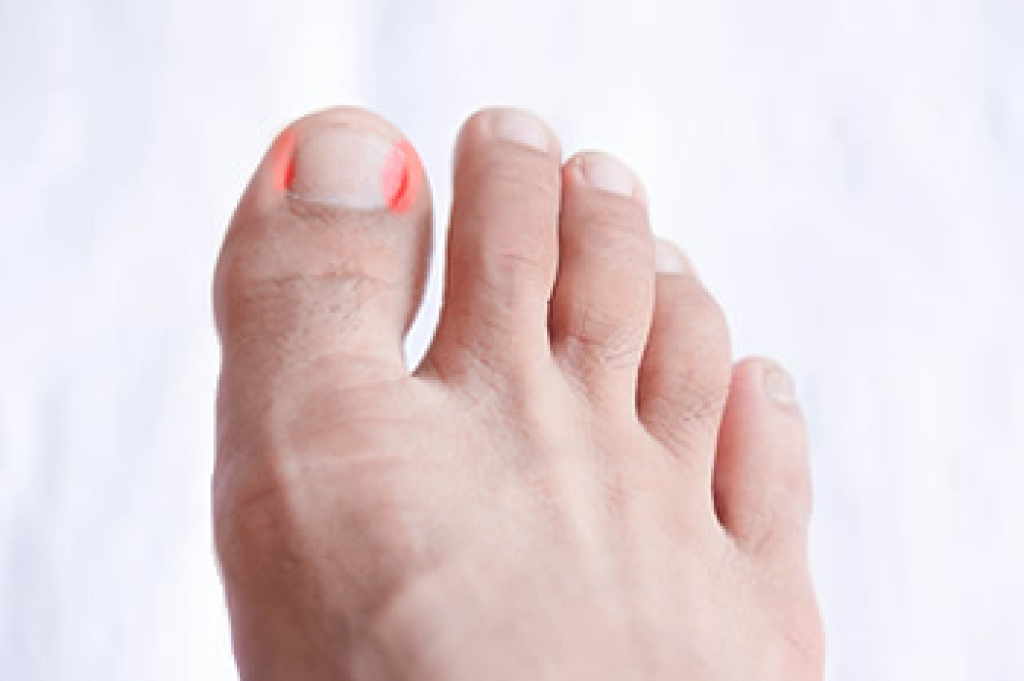
How to Deal With an Ingrown Toenail

Ingrown toenails (when the nail grows into the surrounding skin) are a very common malady that podiatrists treat, as oftentimes the toenail becomes very painful, inflamed, or even infected. You can help prevent ingrown toenails from developing by avoiding shoes that are too tight and trimming your nails straight across—and not too short. There are a couple of home remedies you can try to get relief from an ingrown toenail, such as soaking the toe in warm water mixed with either Epsom salts, apple cider vinegar, or a mild soap. Also, try applying an antibiotic cream to the nail several times a day and keeping it wrapped in a bandage to help reduce the chances of an infection developing. Wear comfortable, non-restrictive shoes that give the toes plenty of room. You can even try using an over-the-counter toe protector, which is a padded ring that cushions the toe and prevents it from rubbing against other toes or footwear. If your ingrown toenail becomes a chronic issue, the pain worsens, or you see signs of an infection, contact a podiatrist for more advanced treatment options.

Ingrown toenails may initially present themselves as a minor discomfort, but they may progress into an infection in the skin without proper treatment. For more information about ingrown toenails, contact James P. Huish, DPM of Arizona. Our doctors can provide the care you need to keep you pain-free and on your feet.

Ingrown Toenails

Ingrown toenails are caused when the corner or side of a toenail grows into the soft flesh surrounding it. They often result in redness, swelling, pain, and in some cases, infection. This condition typically affects the big toe and may recur if it is not treated properly.

Causes

  • Improper toenail trimming
  • Genetics
  • Improper shoe fitting
  • Injury from pedicures or nail picking
  • Abnormal gait
  • Poor hygiene

You are more likely to develop an ingrown toenail if you are obese, have diabetes, arthritis, or have any fungal infection in your nails. Additionally, people who have foot or toe deformities are at a higher risk of developing an ingrown toenail.

Symptoms

Some symptoms of ingrown toenails are redness, swelling, and pain. In rare cases, there may be a yellowish drainage coming from the nail.

Treatment

Ignoring an ingrown toenail can have serious complications. Infections of the nail border can progress to a deeper soft-tissue infection, which can then turn into a bone infection. You should always speak with your podiatrist if you suspect you have an ingrown toenail, especially if you have diabetes or poor circulation.

If you have any questions, please feel free to contact our office located in Safford and Sierra Vista, AZ . We offer the newest diagnostic and treatment technologies for all your foot care needs.

Read more about Ingrown Toenails

It's Time for Beautiful Feet

You don't need an excuse to have beautiful nails. Step outside without worrying about the appearance of your feet.

Why Wearing Flip-flops Regularly Can Be Bad For Your Feet

Flip-flops are easy to slip on and look great with your summer wardrobe. While they do have their place on the beach, around the pool, inside public locker rooms and showers, or outside getting the mail or letting the dog out, wearing them as regular footwear on a daily basis can ultimately be harmful to your body. Since flip-flops offer absolutely no arch support, over time you could develop pain in your arches, ankles, and knees. Flip-flops also offer scant cushioning and little support from the hard surface of the ground below which may eventually lead to heel pain and even plantar fasciitis—when the tissue connecting the bottom of your heel with your toes becomes stressed and damaged. Also, in order to keep the flip-flop on your feet, you instinctively curl your toes which changes how you walk and puts undue strain on your feet and lower back. A podiatrist can offer additional information on proper footwear and also treat any foot and ankle pain you may be experiencing.

Flip-flops can cause a lot of problems for your feet. If you have any concerns about your feet or ankles, contact James P. Huish, DPM from Arizona. Our doctors will assist you with all of your foot and ankle needs.

Flip-Flops and Feet

Flip-flops have managed to become a summer essential for a lot of people. While the shoes may be stylish and easy to slip on and off, they can be dangerous to those who wear them too often. These shoes might protect you from fungal infections such as athlete’s foot, but they can also give you foot pain and sprained ankles if you trip while wearing them.

When Are They Okay to Wear?

Flip-flops should only be worn for very short periods of time. They can help protect your feet in places that are crawling with fungi, such as gym locker rooms. Athlete’s foot and plantar warts are two common fungi that flip-flops may help protect your feet against.

Why Are They Bad for My Feet?

These shoes do not offer any arch support, so they are not ideal for everyday use. They also do not provide shock absorption or heel cushioning which can be problematic for your feet. Additionally, you may suffer from glass cuts, puncture wounds, and stubbed toes since they offer little protection for your feet.

More Reasons Why They Are Bad for Your Feet

  • They Slow You Down
  • May Cause Blisters and Calluses
  • Expose Your Feet to Bacteria

If you have any questions, please feel free to contact our office located in Safford and Sierra Vista, AZ . We offer the newest diagnostic and treatment technologies for all your foot care needs.

Read more about Flipping Out About Flip Flops

A Stabbing Heel Pain

The plantar fascia is a ligament that runs along the bottom of the foot and connects the heel bone to the toes. Plantar fasciitis is a condition in which the plantar fascia becomes inflamed, often due to repetitive overuse. When the plantar fascia is injured, it causes heel pain. The pain is often described as “stabbing pain” and is usually worse when taking the first few steps following a period of rest, such as when you first wake up and step out of bed in the morning. Treatments for this condition are typically conservative and involve stretching the feet, wearing orthotics, and rest. If you have heel pain, it is suggested that you seek the care of a podiatrist. 

Plantar fasciitis can be very painful and inconvenient. If you are experiencing heel pain or symptoms of plantar fasciitis, contact James P. Huish, DPM  from Arizona. Our doctors can provide the care you need to keep you pain-free and on your feet.

What Is Plantar Fasciitis?

Plantar fasciitis is the inflammation of the thick band of tissue that runs along the bottom of your foot, known as the plantar fascia, and causes mild to severe heel pain.

What Causes Plantar Fasciitis?

  • Excessive running
  • Non-supportive shoes
  • Overpronation
  • Repeated stretching and tearing of the plantar fascia

How Can It Be Treated?

  • Conservative measures – anti-inflammatories, ice packs, stretching exercises, physical therapy, orthotic devices
  • Shockwave therapy – sound waves are sent to the affected area to facilitate healing and are usually used for chronic cases of plantar fasciitis
  • Surgery – usually only used as a last resort when all else fails. The plantar fascia can be surgically detached from the heel

While very treatable, plantar fasciitis is definitely not something that should be ignored. Especially in severe cases, speaking to your doctor right away is highly recommended to avoid complications and severe heel pain. Your podiatrist can work with you to provide the appropriate treatment options tailored to your condition.

If you have any questions, please feel free to contact our office located in Safford and Sierra Vista, AZ . We offer the newest diagnostic and treatment technologies for all your foot care needs.

Read more about Plantar Fasciitis

Connect With Us

scroll-to-top