Symptoms and Causes of Neuropathy

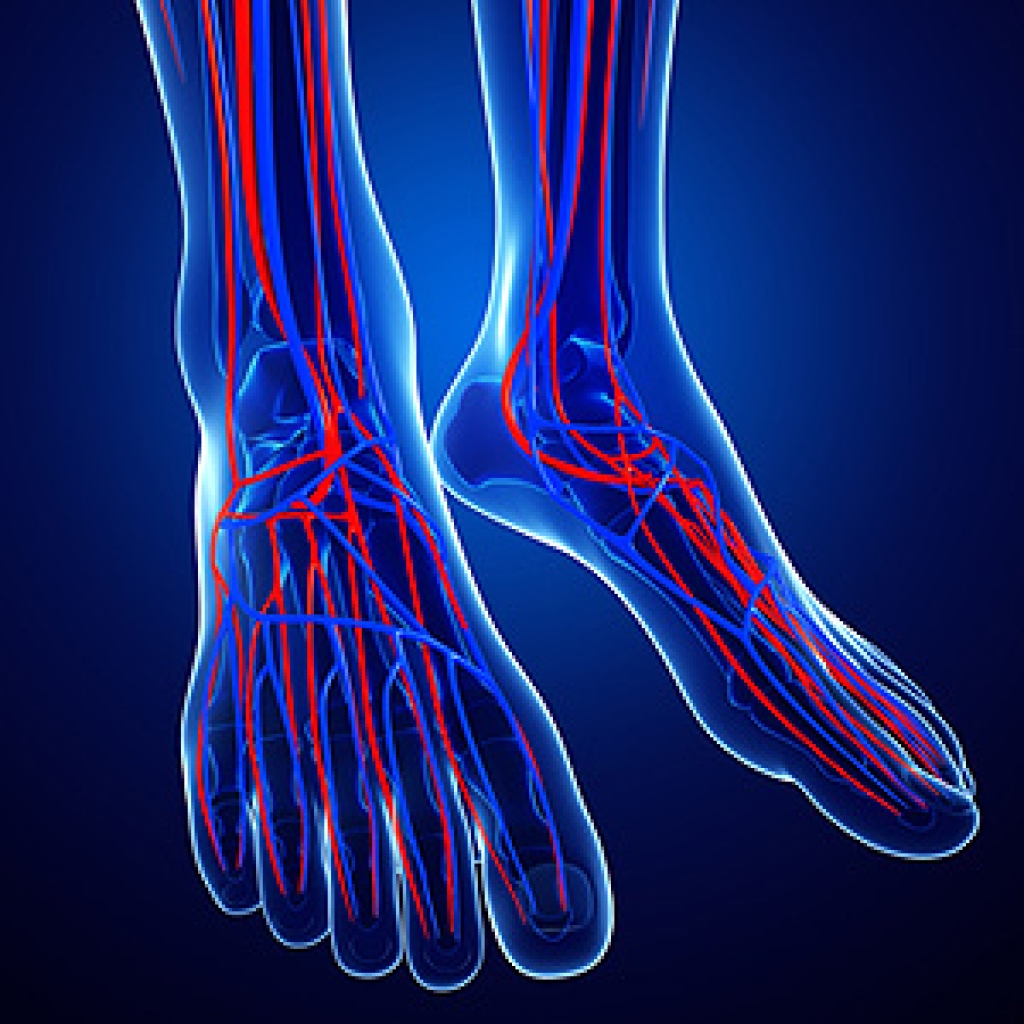
Peripheral neuropathy is a condition that affects the nerves in the peripheral nervous system. The nerves become damaged and as a result, this type of neuropathy develops. The symptoms that accompany neuropathy include numbness, tingling or a burning sensation and will most often affect the feet. Additional symptoms may include a loss of balance and it’s common to experience weakness. There are several causes that may promote the onset of this ailment, including a vitamin deficiency, kidney failure, shingles, or alcoholism. Additionally, this condition may be the result of certain chemotherapy drugs that are taken. It’s important to have a correct diagnosis performed so the proper medication can be taken to alleviate the symptoms. It is suggested to consult with a podiatrist if your feet are affected by neuropathy.

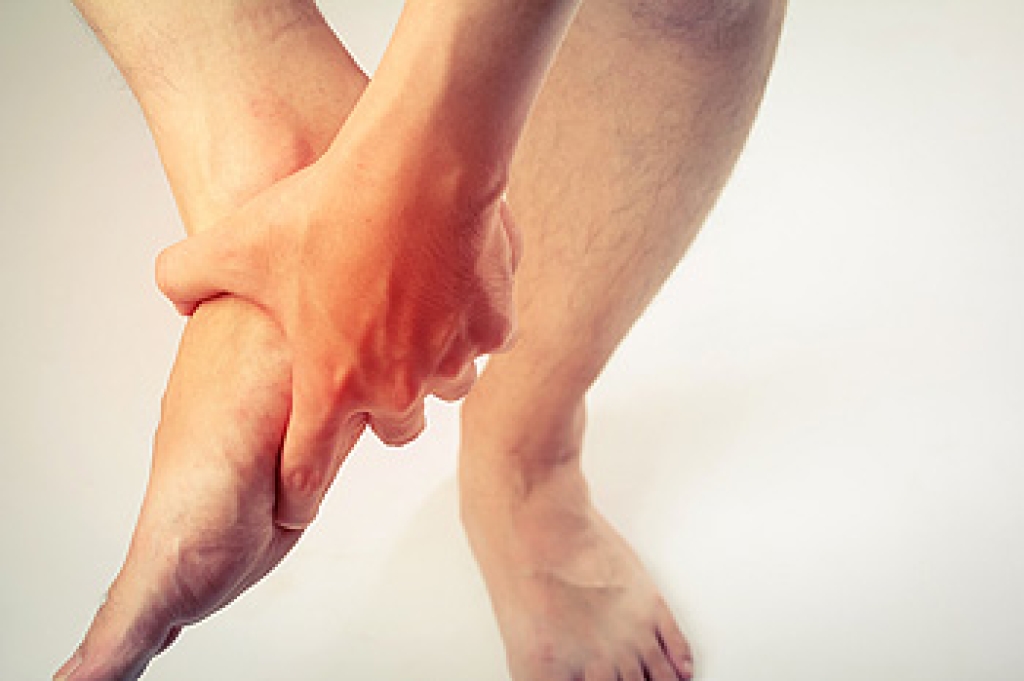
Peripheral artery disease can pose a serious risk to your health. It can increase the risk of stroke and heart attack. If you have symptoms of peripheral artery disease, consult with James P. Huish, DPM from Arizona. Our doctors will assess your condition and provide you with quality foot and ankle treatment.

Peripheral artery disease (PAD) is when arteries are constricted due to plaque (fatty deposits) build-up. This results in less blood flow to the legs and other extremities. The main cause of PAD is atherosclerosis, in which plaque builds up in the arteries.

Symptoms

Symptoms of PAD include:

  • Claudication (leg pain from walking)
  • Numbness in legs
  • Decrease in growth of leg hair and toenails
  • Paleness of the skin
  • Erectile dysfunction
  • Sores and wounds on legs and feet that won’t heal
  • Coldness in one leg

It is important to note that a majority of individuals never show any symptoms of PAD.

Diagnosis

While PAD occurs in the legs and arteries, Podiatrists can diagnose PAD. Podiatrists utilize a test called an ankle-brachial index (ABI). An ABI test compares blood pressure in your arm to you ankle to see if any abnormality occurs. Ultrasound and imaging devices may also be used.

Treatment

Fortunately, lifestyle changes such as maintaining a healthy diet, exercising, managing cholesterol and blood sugar levels, and quitting smoking, can all treat PAD. Medications that prevent clots from occurring can be prescribed. Finally, in some cases, surgery may be recommended.

If you have any questions, please feel free to contact our office located in Safford and Sierra Vista, AZ . We offer the newest diagnostic and treatment technologies for all your foot care needs.

Read more about Peripheral Artery Disease

The Importance of Proper Foot Care in Children

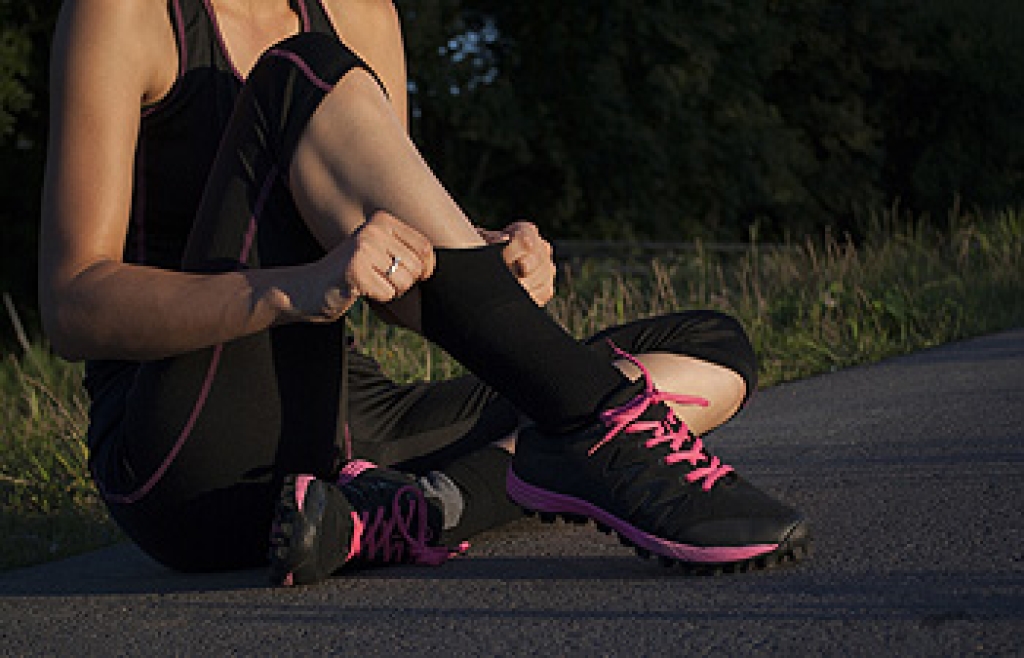
When babies' feet have ample room to move about in, the muscles in the feet become stronger by kicking and wiggling the toes. Research has shown that it’s not necessary for babies to wear shoes unless the weather is cold when they are taken outside. Babies feet grow rapidly, and it is beneficial to monitor the size of the shoes and socks that are worn for optimum comfort. Washing and drying the feet is a good hygiene practice to implement daily with extra attention taken to thoroughly dry between the toes which  may prevent excess moisture from developing. Most children begin to walk about 12 months of age and it may be beneficial to notice if the child’s feet or toes turn out. Wearing shoes that fit properly will aid in comfortable walking, and choosing shoes that are made of lightweight materials will allow the feet to breath. If you would like additional information about how to choose proper shoes for your child, please schedule a consultation with a podiatrist.

The health of a child’s feet is vital to their overall well-being. If you have any questions regarding foot health, contact James P. Huish, DPM of Arizona. Our doctors can provide the care you need to keep you pain-free and on your feet.

Tips for Keeping Children's Feet Healthy

  • Make sure their shoes fit properly
  • Look for any signs of in-toeing or out-toeing
  • Check to see if they have Clubfoot (condition that affects your child’s foot and ankle, twisting the heel and toes inward) which is one of the most common nonmajor birth defects.
  • Lightly cover your baby’s feet (Tight covers may keep your baby from moving their feet freely, and could prevent normal development)
  • Allow your toddler to go shoeless (Shoes can be restricting for a young child’s foot)
  • Cut toenails straight across to avoid ingrown toenails
  • Keep your child’s foot clean and dry
  • Cover cuts and scrapes. Wash any scratches with soap and water and cover them with a bandage until they’ve healed.

If you have any questions, please feel free to contact our office located in Safford and Sierra Vista, AZ . We offer the newest diagnostic and treatment technologies for all your foot care needs.
Read more about What to Do to Keep Your Child’s Feet Healthy

Healing Your Heel Pain

Plantar fasciitis tends to gradually develop over time and usually only affects one foot. Common symptoms for those with plantar fasciitis are a dull, sharp, or burning pain in the bottom of the foot. This pain tends to start up after prolonged activity due to increased inflammation. People who are overweight are at a greater risk of developing plantar fasciitis because of the increased amount of pressure on the plantar fascia ligaments. Consequently, women who are pregnant also are more likely to develop plantar fasciitis. Other people who are more likely to develop the condition are those with either flat feet, or high arches in their feet. Thankfully, there are some ways to treat pain that stems from plantar fasciitis. One of the most common methods of treatment is icing. In addition, stretching the calves will help alleviate pain in the foot. If you have any questions or concerns regarding plantar fasciitis, a consultation with a podiatrist is advised.

Plantar fasciitis is a common foot condition that is often caused by a strain injury. If you are experiencing heel pain or symptoms of plantar fasciitis, contact James P. Huish, DPM from Arizona. Our doctors can provide the care you need to keep you pain-free and on your feet.

What Is Plantar Fasciitis?

Plantar fasciitis is one of the most common causes of heel pain. The plantar fascia is a ligament that connects your heel to the front of your foot. When this ligament becomes inflamed, plantar fasciitis is the result. If you have plantar fasciitis you will have a stabbing pain that usually occurs with your first steps in the morning. As the day progresses and you walk around more, this pain will start to disappear, but it will return after long periods of standing or sitting.

What Causes Plantar Fasciitis?

  • Excessive running
  • Having high arches in your feet
  • Other foot issues such as flat feet
  • Pregnancy (due to the sudden weight gain)
  • Being on your feet very often

There are some risk factors that may make you more likely to develop plantar fasciitis compared to others. The condition most commonly affects adults between the ages of 40 and 60. It also tends to affect people who are obese because the extra pounds result in extra stress being placed on the plantar fascia.

Prevention

  • Take good care of your feet – Wear shoes that have good arch support and heel cushioning.
  • Maintain a healthy weight
  • If you are a runner, alternate running with other sports that won’t cause heel pain

There are a variety of treatment options available for plantar fasciitis along with the pain that accompanies it. Additionally, physical therapy is a very important component in the treatment process. It is important that you meet with your podiatrist to determine which treatment option is best for you.

If you have any questions, please feel free to contact our office located in Safford and Sierra Vista, AZ . We offer the newest diagnostic and treatment technologies for all your foot care needs.


Read more about Plantar Fasciitis

What is Soft Running?

Running is a great way to stay in shape, and you can try to limit the amount of injuries you endure by running “softer”. A recent study looked at “320 novice runners and measured their landing force at two paces – a slower 12-minute-per-mile pace and a quicker 8-minute-per-mile pace”. Those leading the study had half of the participants learn to run “softer” while others made no changes in their styles of running. According to the study, “After 12 months, researchers found that the runners who learned to run ‘softer’ had 62 percent less injuries than the runners who made no changes.” If you are a runner and you want to fix your stride to reduce your chance of injury, you should try counting your foot strikes per minute. Another tip is to inspect your shoes to find the areas that are worn out. The worn out areas will tell you where your feet are landing when you run. If you have shin pain or heel pain, this may suggest that you are either over striding or using the wrong muscles.

All runners should take extra precaution when trying to avoid injury. If you have any concerns about your feet, contact James P. Huish, DPM of Arizona. Our doctors will treat your foot and ankle needs.

How to Prevent Running Injuries

There are a lot of mistakes a runner can make prior to a workout that can induce injury. A lot of athletes tend to overstretch before running, instead of saving those workouts for a post-run routine. Deep lunges and hand-to-toe hamstring pulls should be performed after a workout instead of during a warmup. Another common mistake is jumping into an intense routine before your body is physically prepared for it. You should try to ease your way into long-distance running instead of forcing yourself to rush into it.

More Tips for Preventing Injury

  • Incorporate Strength Training into Workouts - This will help improve the body’s overall athleticism
  • Improve and Maintain Your Flexibility – Stretching everyday will help improve overall performance
  • “Warm Up” Before Running and “Cool Down” Afterward – A warm up of 5-10 minutes helps get rid of lactic acid in the muscles and prevents delayed muscle soreness
  • Cross-Training is Crucial
  • Wear Proper Running Shoes
  • Have a Formal Gait Analysis – Poor biomechanics can easily cause injury

If you have any questions, please feel free to contact our office located in Safford and Sierra Vista, AZ . We offer the newest diagnostic and treatment technologies for all your foot care needs.

Read more about How to Prevent Running Injuries

Symptoms of an Achilles Tendon Injury

The purpose of the Achilles tendon is to connect the calf muscle to the heel bone. The back of the heel is often the area of discomfort when an injury occurs. Research has shown that it may be common among athletes who participate in running and jumping activities such as soccer, volleyball, softball and similar sports to incur this type of injury. Additionally, the Achilles tendon is referred to as one of the longest tendons in the body, and may endure wear and tear from daily activities such as walking and running. Damage inflicted on the Achilles tendon typically begins with a gradual feeling of discomfort. In cases of an extreme tear, severe pain will be felt immediately. Some of the symptoms that may be experienced with this type of injury can include tenderness when touched, redness and swelling. The ankle may become swollen and stiff, causing difficulty when attempting to move it. Changing the area where the sport or activity takes place in addition to adequately resting the foot is essential for proper healing to commence. A consultation with a podiatrist is suggested for a proper diagnosis and for additional information about an Achilles tendon injury.

Achilles tendon injuries need immediate attention to avoid future complications. If you have any concerns, contact James P. Huish, DPM of Arizona. Our doctors can provide the care you need to keep you pain-free and on your feet.

What Is the Achilles Tendon?

The Achilles tendon is a tendon that connects the lower leg muscles and calf to the heel of the foot. It is the strongest tendon in the human body and is essential for making movement possible. Because this tendon is such an integral part of the body, any injuries to it can create immense difficulties and should immediately be presented to a doctor.

What Are the Symptoms of an Achilles Tendon Injury?

There are various types of injuries that can affect the Achilles tendon. The two most common injuries are Achilles tendinitis and ruptures of the tendon.

Achilles Tendinitis Symptoms

  • Inflammation
  • Dull to severe pain
  • Increased blood flow to the tendon
  • Thickening of the tendon

Rupture Symptoms

  • Extreme pain and swelling in the foot
  • Total immobility

Treatment and Prevention

Achilles tendon injuries are diagnosed by a thorough physical evaluation, which can include an MRI. Treatment involves rest, physical therapy, and in some cases, surgery. However, various preventative measures can be taken to avoid these injuries, such as:

  • Thorough stretching of the tendon before and after exercise
  • Strengthening exercises like calf raises, squats, leg curls, leg extensions, leg raises, lunges, and leg presses

If you have any questions please feel free to contact our office located in Safford and Sierra Vista, AZ . We offer the newest diagnostic tools and technology to treat your foot and ankle needs.

Read more about What are Achilles Tendon Injuries

Connect With Us

scroll-to-top