
Your feet are covered most of the day. If you're diabetic, periodic screening is important for good health. Numbness is often a sign of diabetic foot and can mask a sore or wound.
Your feet are covered most of the day. If you're diabetic, periodic screening is important for good health. Numbness is often a sign of diabetic foot and can mask a sore or wound.
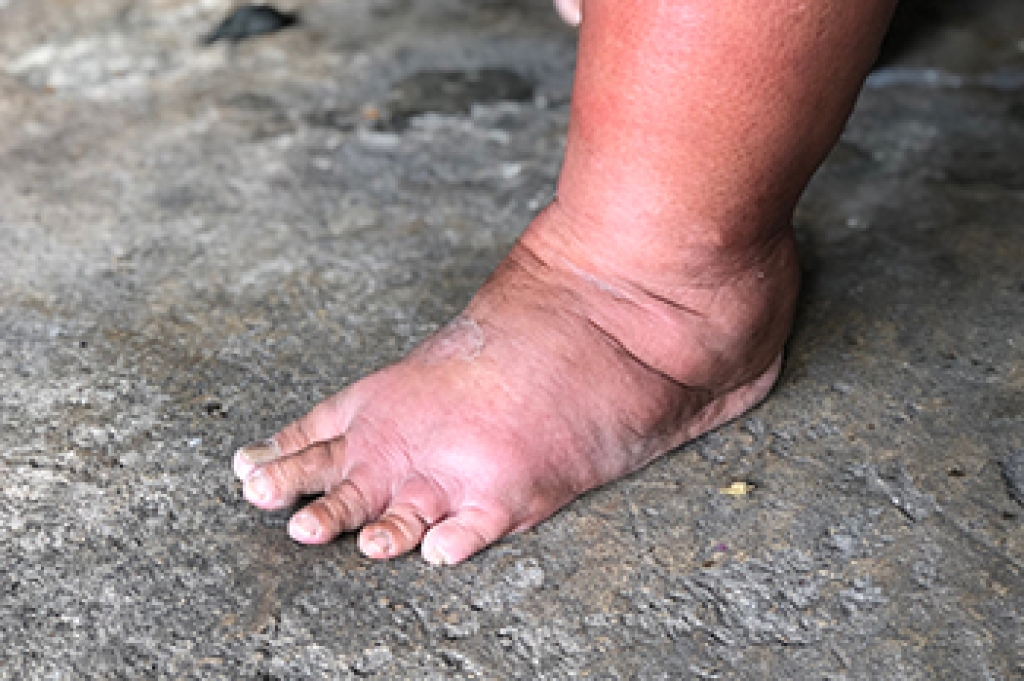
Swollen feet can signal circulation problems, fluid buildup, or underlying inflammation caused by diabetes. The feet may look puffy, shiny, or discolored, and the skin may feel tight or tender when pressed. Symptoms include aching, heaviness, reduced mobility, or warmth in the affected areas. Causes often relate to poor blood flow, nerve damage, infection, or prolonged standing. Because swelling can make it difficult to notice cuts, blisters, or pressure points, the risk of complications increases without proper care. A podiatrist can begin with a thorough examination to assess circulation, nerve function, and skin integrity while identifying what may be triggering the swelling. Treatment may include compression guidance, footwear recommendations, wound care if needed, and strategies to improve daily foot protection. Ongoing monitoring is essential for preventing ulcers and maintaining overall foot health. Because early attention is vital for long term safety, it is suggested that you are under the care of a podiatrist who can help you to manage this serious condition.
Diabetic foot care is important in preventing foot ailments such as ulcers. If you are suffering from diabetes or have any other concerns about your feet, contact James P. Huish, DPM from Arizona. Our doctors can provide the care you need to keep you pain-free and on your feet.
Diabetic Foot Care
Diabetes affects millions of people every year. The condition can damage blood vessels in many parts of the body, especially the feet. Because of this, taking care of your feet is essential if you have diabetes, and having a podiatrist help monitor your foot health is highly recommended.
The Importance of Caring for Your Feet
Patients with diabetes should have their doctor monitor their blood levels, as blood sugar levels play such a huge role in diabetic care. Monitoring these levels on a regular basis is highly advised.
It is always best to inform your healthcare professional of any concerns you may have regarding your feet, especially for diabetic patients. Early treatment and routine foot examinations are keys to maintaining proper health, especially because severe complications can arise if proper treatment is not applied.
If you have any questions, please feel free to contact our office located in Safford and Sierra Vista, AZ . We offer the newest diagnostic and treatment technologies for all your foot care needs.
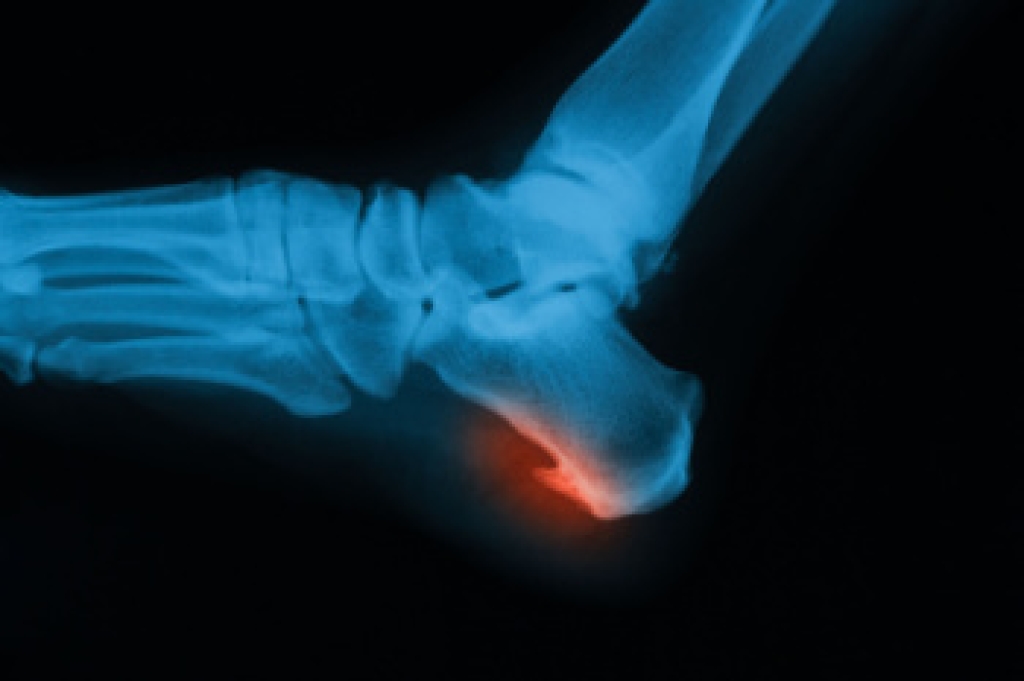
Heel spur surgery is considered when a bony growth on the heel bone continues to cause pain despite other forms of care. These spurs form when repeated strain on the foot leads to calcium buildup along the bottom or back of the heel bone, or calcaneus. Although not all heel spurs cause pain, in some cases they can create pressure and irritation with each step. Surgery removes the excess bone and reduces tension on nearby tissues, including the plantar fascia on the sole of the foot or the Achilles tendon at the back of the ankle. A podiatrist will examine the source of the pain, review imaging, and decide whether the spur on the bottom of the heel or near the tendon attachment needs to be removed. Recovery takes time as the foot heals and strength returns. If you have developed a heel spur that is causing pain, it is suggested that you make an appointment with a podiatrist for a diagnosis and treatment.
Heel spurs can be incredibly painful and sometimes may make you unable to participate in physical activities. To get medical care for your heel spurs, contact James P. Huish, DPM from Arizona. Our doctors will do everything possible to treat your condition.
Heels Spurs
Heel spurs are formed by calcium deposits on the back of the foot where the heel is. This can also be caused by small fragments of bone breaking off one section of the foot, attaching onto the back of the foot. Heel spurs can also be bone growth on the back of the foot and may grow in the direction of the arch of the foot.
Older individuals usually suffer from heel spurs and pain sometimes intensifies with age. One of the main condition's spurs are related to is plantar fasciitis.
Pain
The pain associated with spurs is often because of weight placed on the feet. When someone is walking, their entire weight is concentrated on the feet. Bone spurs then have the tendency to affect other bones and tissues around the foot. As the pain continues, the feet will become tender and sensitive over time.
Treatments
There are many ways to treat heel spurs. If one is suffering from heel spurs in conjunction with pain, there are several methods for healing. Medication, surgery, and herbal care are some options.
If you have any questions, please feel free to contact our office located in Safford and Sierra Vista, AZ . We offer the newest diagnostic and treatment technologies for all your foot care needs.

Athlete’s foot is a fungal infection that affects the skin on the feet. It is often caused by exposure to fungi found in warm, moist environments, such as public showers, locker rooms, or sweaty shoes. It may look like red, scaly patches, peeling skin, or small blisters, often appearing between the toes or on the soles of the feet. Many individuals experience itching, burning, or stinging sensations, and in severe cases the skin may crack or bleed, increasing the risk of a secondary infection. Athlete’s foot is highly contagious and can spread to other parts of the body or to other individuals through direct contact or shared surfaces. A podiatrist can help by examining the affected areas to confirm the diagnosis and rule out other skin conditions. Treatment may include topical or oral antifungal medications, proper foot hygiene, and advice on footwear to reduce moisture and prevent recurrence. Early intervention relieves discomfort and helps stop the spread of infection. If you notice persistent itching, redness, or peeling on your feet, it is suggested that you make an appointment with a podiatrist.
Athlete’s Foot
Athlete’s foot is often an uncomfortable condition to experience. Thankfully, podiatrists specialize in treating athlete’s foot and offer the best treatment options. If you have any questions about athlete’s foot, consult with James P. Huish, DPM from Arizona. Our doctors will assess your condition and provide you with quality treatment.
What Is Athlete’s Foot?
Tinea pedis, more commonly known as athlete’s foot, is a non-serious and common fungal infection of the foot. Athlete’s foot is contagious and can be contracted by touching someone who has it or infected surfaces. The most common places contaminated by it are public showers, locker rooms, and swimming pools. Once contracted, it grows on feet that are left inside moist, dark, and warm shoes and socks.
Prevention
The most effective ways to prevent athlete’s foot include:
Symptoms
Athlete’s foot initially occurs as a rash between the toes. However, if left undiagnosed, it can spread to the sides and bottom of the feet, toenails, and if touched by hand, the hands themselves. Symptoms include:
Diagnosis and Treatment
Diagnosis is quick and easy. Skin samples will be taken and either viewed under a microscope or sent to a lab for testing. Sometimes, a podiatrist can diagnose it based on simply looking at it. Once confirmed, treatment options include oral and topical antifungal medications.
If you have any questions, please feel free to contact our office located in Safford and Sierra Vista, AZ . We offer the newest diagnostic and treatment technologies for all your foot care needs.

Running with a broken toe is generally not recommended. Even a small fracture affects how your foot absorbs pressure, and the repeated impact from running can worsen the injury, delay healing, or cause the bone to shift out of place. Most people experience sharp pain, swelling, bruising, or difficulty pushing off the ground, all of which make running uncomfortable and risky. Continuing to run can also change your gait, which may lead to new problems in the foot, ankle, knee, or hip. A broken toe usually needs rest, protection, and sometimes immobilization to heal properly. For mild fractures, buddy taping and wearing a stiff-soled shoe may be enough. More complex injuries require medical guidance. Listening to your body and allowing time for recovery gives you the best chance to return to activity safely. If you suspect a toe fracture or the pain is not improving, it is suggested that you see a podiatrist for an evaluation and proper care.
Broken toes may cause a lot of pain and should be treated as soon as possible. If you have any concerns about your feet, contact James P. Huish, DPM from Arizona. Our doctors will treat your foot and ankle needs.
What Is a Broken Toe?
A broken toe occurs when one or more of the toe bones of the foot are broken after an injury. Injuries such as stubbing your toe or dropping a heavy object on it may cause a toe fracture.
Symptoms of a Broken Toe
Although the injured toe should be monitored daily, it is especially important to have a podiatrist look at your toe if you have severe symptoms. Some of these symptoms include worsening or new pain that is not relieved with medication, sores, redness, or open wounds near the toe.
If you have any questions please feel free to contact our office located in Safford and Sierra Vista, AZ . We offer the newest diagnostic tools and technology to treat your foot and ankle needs.
Connect With Us
