The Basics of Diabetic Foot Care

If you or someone you take care of has diabetes, there are a number of preventative practices that should be implemented to help keep your feet healthy and to avoid serious complications down the road. Shoes and socks should be worn during waking hours, even around the house. Check to make sure shoes fit properly and that there are no rough edges that will scrape against or cause a disturbance in the skin. Examine the feet daily. Early detection of any break in the skin will help avoid the injury from developing into a wound. Keep the feet clean and dry and the toenails trimmed straight across. Toenail length should be level with the tips of the toes, but not too short in order to prevent the nail from growing into the skin. Finally, any diabetic should be under the care of a podiatrist who can help them maintain proper foot health and manage any complications should they arise.

Diabetic foot care is important in preventing foot ailments such as ulcers. If you are suffering from diabetes or have any other concerns about your feet, contact James P. Huish, DPM from Arizona. Our doctors can provide the care you need to keep you pain-free and on your feet.

Diabetic Foot Care

Diabetes affects millions of people every year. The condition can damage blood vessels in many parts of the body, especially the feet. Because of this, taking care of your feet is essential if you have diabetes, and having a podiatrist help monitor your foot health is highly recommended.

The Importance of Caring for Your Feet

  • Routinely inspect your feet for bruises or sores.
  • Wear socks that fit your feet comfortably.
  • Wear comfortable shoes that provide adequate support.

Patients with diabetes should have their doctor monitor their blood levels, as blood sugar levels play such a huge role in diabetic care. Monitoring these levels on a regular basis is highly advised.

It is always best to inform your healthcare professional of any concerns you may have regarding your feet, especially for diabetic patients. Early treatment and routine foot examinations are keys to maintaining proper health, especially because severe complications can arise if proper treatment is not applied.

If you have any questions, please feel free to contact our office located in Safford and Sierra Vista, AZ . We offer the newest diagnostic and treatment technologies for all your foot care needs.

Read more about Diabetic Foot Conditions

The Many Causes Behind Flat Feet

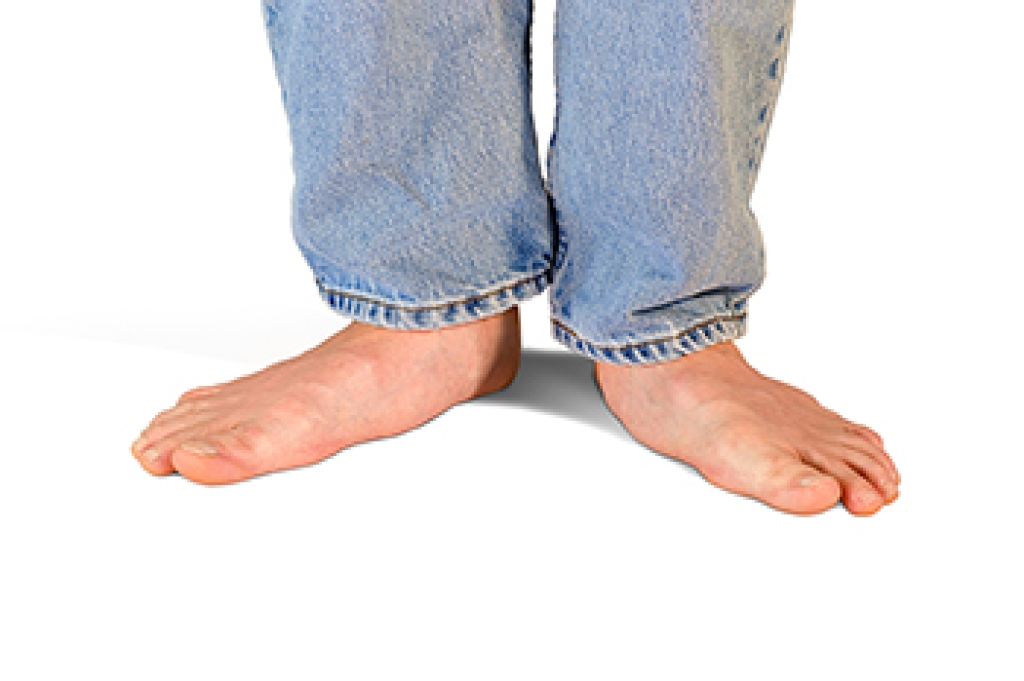
Flat feet refer to feet that have no visible arch in the middle of the sole of the foot while bearing weight. In other words, while standing, the foot lies flat on the ground. Flat feet can be genetically inherited. They can also be acquired during your lifespan for various reasons. These may include damaged, inflamed, overstretched or torn tendons in the foot, damage to the foot or ankle bones, arthritis, stiffening and weakening of the foot muscles due to nerve damage, obesity, and pregnancy. Acquired flat feet are also associated with aging, as wear and tear on the ligaments that support the arch can cause it to collapse. If you have flat feet that are causing you pain, it is suggested that you seek the care of a podiatrist. 

Flatfoot is a condition many people suffer from. If you have flat feet, contact James P. Huish, DPM from Arizona. Our doctors will treat your foot and ankle needs.

What Are Flat Feet?

Flatfoot is a condition in which the arch of the foot is depressed and the sole of the foot is almost completely in contact with the ground. About 20-30% of the population generally has flat feet because their arches never formed during growth.

Conditions & Problems:

Having flat feet makes it difficult to run or walk because of the stress placed on the ankles.

Alignment – The general alignment of your legs can be disrupted, because the ankles move inward which can cause major discomfort.

Knees – If you have complications with your knees, flat feet can be a contributor to arthritis in that area.  

Symptoms

  • Pain around the heel or arch area
  • Trouble standing on the tip toe
  • Swelling around the inside of the ankle
  • Flat look to one or both feet
  • Having your shoes feel uneven when worn

Treatment

If you are experiencing pain and stress on the foot you may weaken the posterior tibial tendon, which runs around the inside of the ankle. 

If you have any questions, please feel free to contact our office located in Safford and Sierra Vista, AZ . We offer the newest diagnostic and treatment technologies for all your foot care needs.

Read more about Flat Feet

Why You Should Strengthen Your Foot Core

Strengthening the core of the feet is often neglected in training regimes for athletes, with more attention being given to the legs and thighs. But keeping the foot core muscles in good shape is essential, not only for overall foot health, but also for preventing injury. Foot core muscles are responsible for maintaining arch shape and shock absorption. Neglecting this area of the foot can lead to plantar fasciitis and even stress fractures. Typical exercises concentrating on the core include the short foot exercise, big toe press, and toe splay. It’s always a good idea to check in with a podiatrist for further information.

Exercising your feet regularly with the proper foot wear is a great way to prevent injuries and build strength. If you have any concerns about your feet, contact James P. Huish, DPM from Arizona. Our doctors can provide the care you need to keep you pain-free and on your feet.

Exercise for Your Feet

Exercise for your feet can help you gain strength, mobility and flexibility in your feet. They say that strengthening your feet can be just as rewarding as strengthening another part of the body. Your feet are very important, and we often forget about them in our daily tasks. But it is because of our feet that are we able to get going and do what we need to. For those of us fortunate enough to not have any foot problems, it is an important gesture to take care of them to ensure good health in the long run.

Some foot health exercises can include ankle pumps, tip-toeing, toe rises, lifting off the floor doing reps and sets, and flexing the toes. It is best to speak with Our doctors to determine an appropriate regimen for your needs. Everyone’s needs and bodies are different, and the activities required to maintain strength in the feet vary from individual to individual. 

Once you get into a routine of doing regular exercise, you may notice a difference in your feet and how strong they may become.

If you have any questions, please feel free to contact our office located in Safford and Sierra Vista, AZ . We offer the newest diagnostic and treatment technologies for all your foot care needs.
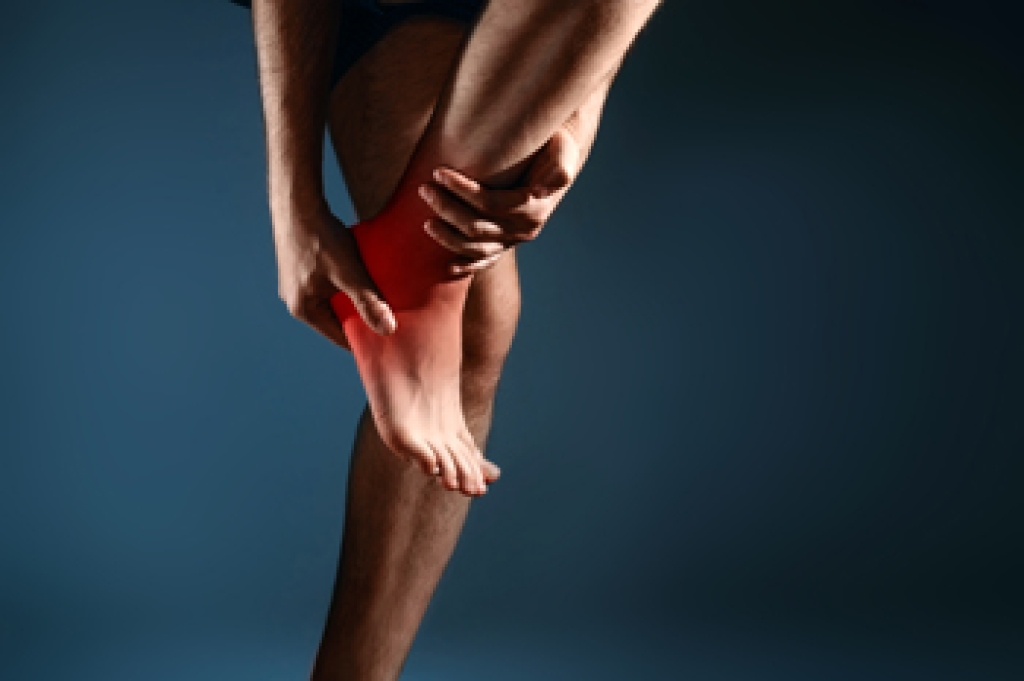
Read more about Exercise for Your Feet

Gout Pain Can Be Managed

Gout is a painful, inflammatory form of arthritis. Those affected will typically feel an intense stiffness in the joints of their feet, particularly in the big toe. Schedule a visit to learn about how gout can be managed and treated.

What Is the Tarsal Tunnel and Why Is It Causing Me Pain?

The tarsal tunnel is a narrow passageway on the inside of the ankle that is made of a thick band of fibrous tissue (flexor retinaculum) and ankle bones. Veins, arteries, muscles, tendons, and the tibial nerve pass through the tarsal tunnel. Certain conditions such as a ganglion cyst, nerve sheath tumors, fibrosis, and even injuries can tighten the already-narrow space within the tunnel and compress the tibial nerve. This can cause burning pain or tingling (paresthesias) along the tibial nerve, the inside of the ankle, or bottom (plantar) part of the foot. If you are experiencing this type of discomfort, contact a podiatrist. They will perform a physical examination and may suggest that an MRI be performed to visualize lesions that may be present within the tunnel. Both conservative and surgical treatments will be considered depending on the cause and severity of the condition and will focus on reducing pressure on the nerve and relieving pain.

Tarsal tunnel syndrome can be very uncomfortable to live with. If you are experiencing tarsal tunnel syndrome, contact James P. Huish, DPM of Arizona. Our doctors can provide the care you need to keep you pain-free and on your feet.

Tarsal Tunnel Syndrome

Tarsal tunnel syndrome, which can also be called tibial nerve dysfunction, is an uncommon condition of misfiring peripheral nerves in the foot. The tibial nerve is the peripheral nerve in the leg responsible for sensation and movement of the foot and calf muscles. In tarsal tunnel syndrome, the tibial nerve is damaged, causing problems with movement and feeling in the foot of the affected leg.

Common Cause of Tarsal Tunnel Syndrome

  • Involves pressure or an injury, direct pressure on the tibial nerve for an extended period of time, sometimes caused by other body structures close by or near the knee.
  • Diseases that damage nerves, including diabetes, may cause tarsal tunnel syndrome.
  • At times, tarsal tunnel syndrome can appear without an obvious cause in some cases.

The Effects of Tarsal Tunnel Syndrome

  • Different sensations, an afflicted person may experience pain, tingling, burning or other unusual sensations in the foot of the affected leg.
  • The foot muscles, toes and ankle become weaker, and curling your toes or flexing your foot can become difficult.
  • If condition worsens, infections and ulcers may develop on the foot that is experiencing the syndrome.

A physical exam of the leg can help identify the presence of tarsal tunnel syndrome. Medical tests, such as a nerve biopsy, are also used to diagnose the condition. Patients may receive physical therapy and prescriptive medication. In extreme cases, some may require surgery.

If you have any questions please contact our office located in Safford and Sierra Vista, AZ . We offer the newest diagnostic and treatment technologies for all your foot and ankle needs.

Read more about Tarsal Tunnel Syndrome

Connect With Us

scroll-to-top