Obesity and Diabetic Foot Care

Due to a particular person’s background, they may be at an increased risk of experiencing poor foot health. For example, individuals who are obese or overweight are one such category of people. Patients living with diabetes make up another category. However, when an individual is both obese and diabetic, they assume a comparatively large amount of risk for developing some kind of foot affliction. Obese diabetics may have poor foot health if they do not take proper measures because their chance of experiencing peripheral neuropathy is higher than the average individual. Additionally, obese diabetics are also more likely to experience peripheral arterial disease, which may also be damaging. If you are someone who struggles with both obesity and diabetes, it is strongly suggested that you contact a podiatrist who can help you manage these conditions. Schedule an appointment with your podiatrist today.


Diabetic foot care is important in preventing foot ailments such as ulcers. If you are suffering from diabetes or have any other concerns about your feet, contact James P. Huish, DPM from Arizona. Our doctors can provide the care you need to keep you pain-free and on your feet.

Diabetic Foot Care

Diabetes affects millions of people every year. The condition can damage blood vessels in many parts of the body, especially the feet. Because of this, taking care of your feet is essential if you have diabetes, and having a podiatrist help monitor your foot health is highly recommended.

The Importance of Caring for Your Feet

  • Routinely inspect your feet for bruises or sores.
  • Wear socks that fit your feet comfortably.
  • Wear comfortable shoes that provide adequate support.

Patients with diabetes should have their doctor monitor their blood levels, as blood sugar levels play such a huge role in diabetic care. Monitoring these levels on a regular basis is highly advised.

It is always best to inform your healthcare professional of any concerns you may have regarding your feet, especially for diabetic patients. Early treatment and routine foot examinations are keys to maintaining proper health, especially because severe complications can arise if proper treatment is not applied.

If you have any questions, please feel free to contact our office located in Safford and Sierra Vista, AZ . We offer the newest diagnostic and treatment technologies for all your foot care needs.


Read more about Diabetic Foot Care

A Common Reason for Stress Fractures

A hairline fracture that happens in the foot is known as a stress fracture. It can occur in one or more of the 26 bones in each foot and causes difficulty walking. A stress fracture happens gradually, and a common reason is from increasing speed and distance too quickly while running. After a proper diagnosis has been performed, which is generally done by having an MRI taken, treatment can begin. The foot has a better chance of making a complete recovery by keeping weight off of it, and crutches can be useful in accomplishing this. Many patients find it helpful to wrap the affected foot with an elastic bandage, which can help provide the necessary stability as the healing process occurs. If you have foot pain and think you may have a stress fracture, it is strongly urged that you are under the care of a podiatrist who can provide you with the correct medical treatment. 

Stress fractures occur when there is a tiny crack within a bone. To learn more, contact James P. Huish, DPM from Arizona. Our doctors can provide the care you need to keep you pain free and on your feet.

How Are They Caused?

Stress fractures are the result of repetitive force being placed on the bone. Since the lower leg and feet often carry most of the body’s weight, stress fractures are likely to occur in these areas. If you rush into a new exercise, you are more likely to develop a stress fracture since you are starting too much, too soon.  Pain resulting from stress fractures may go unnoticed at first, however it may start to worsen over time.

Risk Factors

  • Gender – They are more commonly found in women compared to men.
  • Foot Problems – People with unusual arches in their feet are more likely to develop stress fractures.
  • Certain Sports – Dancers, gymnasts, tennis players, runners, and basketball players are more likely to develop stress fractures.
  • Lack of Nutrients – A lack of vitamin D and calcium may weaken the bones and make you more prone to stress fractures
  • Weak Bones – Osteoporosis can weaken the bones therefore resulting in stress fractures

Stress fractures do not always heal properly, so it is important that you seek help from a podiatrist if you suspect you may have one. Ignoring your stress fracture may cause it to worsen, and you may develop chronic pain as well as additional fractures.

If you have any questions please contact our office located in Safford and Sierra Vista, AZ . We offer the newest diagnostic and treatment technologies for all your foot and ankle needs.

Read more about Dealing with Stress Fractures of the Foot and Ankle

Children’s Ankle Braces

As a young child grows, matures, and engages in physical activities such as school sports, it is common for the child to possibly experience some kind of foot condition. Ankle complications can be common among children, particularly because overuse injuries and growth spurts can put pressure on the ankle. There are many different ways to treat ankle injuries such as sprains among children, depending on the nature and severity of the injury. One way in which a medical professional might recommend treating a child’s ankle injury is with the use of an ankle brace. For example, ankle sprains and stress fractures may be significantly supported by the use of an ankle brace of some kind. Ankle braces come in different shapes and sizes. Typically, they may look like a kind of boot or wrap. If your child is struggling with an ankle injury, talk to your podiatrist about ankle braces or other devices that may help the foot heal. Please schedule an appointment today for correct treatment options.


Making sure that your children maintain good foot health is very important as they grow. If you have any questions, contact James P. Huish, DPM of Arizona. Our doctors can provide the care you need to keep you pain-free and on your feet.

Keeping Children's Feet Healthy

Having healthy feet during childhood can help prevent medical problems later in life, namely in the back and legs. As children grow, their feet require different types of care. Here are some things to consider...

Although babies do not walk yet, it is still very important to take care of their feet.

Avoid putting tight shoes or socks on his or her feet.

Allow the baby to stretch and kick his or her feet to feel comfortable.

As a toddler, kids are now on the move and begin to develop differently. At this age, toddlers are getting a feel for walking, so don’t be alarmed if your toddler is unsteady or ‘walks funny’. 

As your child gets older, it is important to teach them how to take care of their feet.

Show them proper hygiene to prevent infections such as fungus.

Be watchful for any pain or injury.

Have all injuries checked by a doctor as soon as possible.

Comfortable, protective shoes should always be worn, especially at play.

If you have any questions, please feel free to contact our office located in Safford and Sierra Vista, AZ . We offer the newest diagnostic and treatment technologies for all your foot care needs.
Read more about What to Do to Keep Your Child’s Feet Healthy

Wearing a Brace After an Ankle Sprain

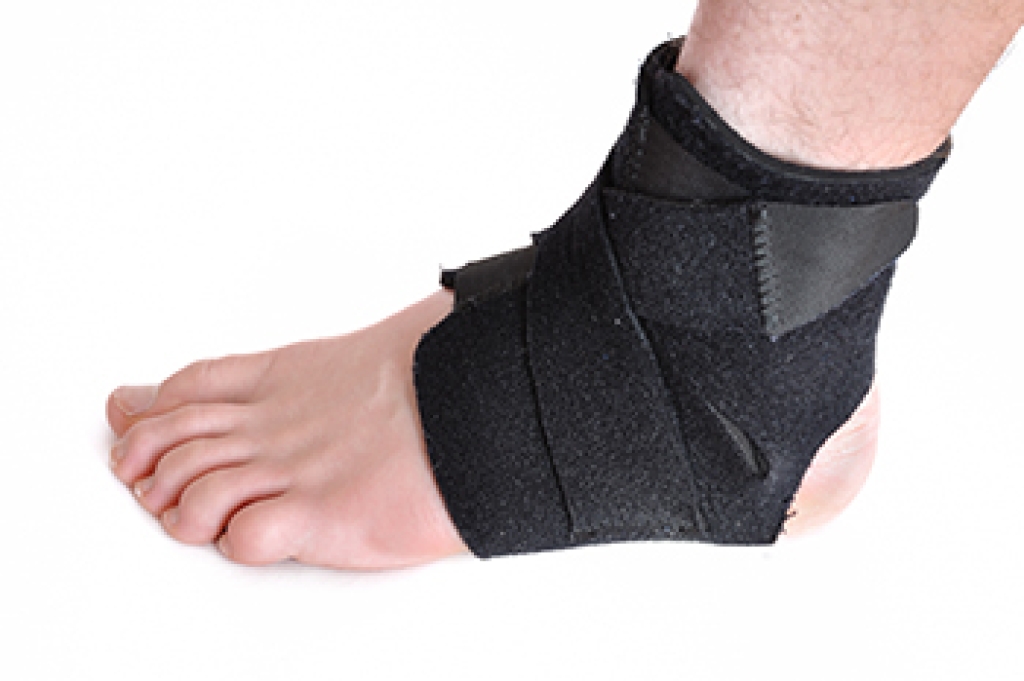
Rushing the healing process after spraining an ankle is unwise, according to experts. This is because if the ankle does not fully heal, it is much more likely to be sprained again. For this reason, using an ankle brace during the recovery period can be a good idea. The goal of wearing an ankle brace is to speed up the healing process while preventing further pain. There are three types to consider, based on the severity of the sprain. The first type, used in more severe cases, immobilizes the ankle while providing compression to keep swelling down. If you are healing from a more moderate sprain, you may wish to use a brace that eases up on compression but keeps the ankle from moving laterally. For a mild sprain, a lighter-weight brace is suggested, which still offers some support while it helps to stabilize the joint. For more information on the proper brace to use after an ankle sprain, please consult a podiatrist. 

Although ankle sprains are common, they aren’t always minor injuries. If you need your ankle injury looked at, contact James P. Huish, DPM from Arizona. Our doctors can provide the care you need to keep you pain-free and on your feet.

How Does an Ankle Sprain Occur?

Ankle sprains are the result of a tear in the ligaments within the ankle. These injuries may happen when you make a rapid shifting movement while your foot is planted. A less common way to sprain your ankle is when your ankle rolls inward while your foot turns outward.

What Are the Symptoms?

  • Pain at the sight of the tear
  • Bruising/Swelling
  • Ankle area is tender to touch
  • In severe cases, may hear/feel something tear
  • Skin discoloration

Preventing a Sprain

  • Wearing appropriate shoes for the occasion
  • Stretching before exercises and sports
  • Knowing your limits

Treatment of a Sprain

In many cases, the RICE method (Rest, Ice, Compression, and Elevate) is used to treat ankle sprains. However, you should see a podiatrist to see which treatment option would work best with your injury. In severe cases, surgery may be required.

It is important to ask your doctor about rehab options after you receive treatment for your injury. Stretching, strength training, and balance exercises may help the ankle heal while also preventing further injury.

If you have any questions, please feel free to contact our office located in Safford and Sierra Vista, AZ . We offer the newest diagnostic and treatment technologies for all your foot care needs.

Read more about Three Grades of Ankle Sprains

Reminder: When Was the Last Time...?

Custom orthotics, or shoe inserts, should be periodically replaced. Orthotics must fit properly to give you the best results. Protect your feet and ankles!

Connect With Us

scroll-to-top