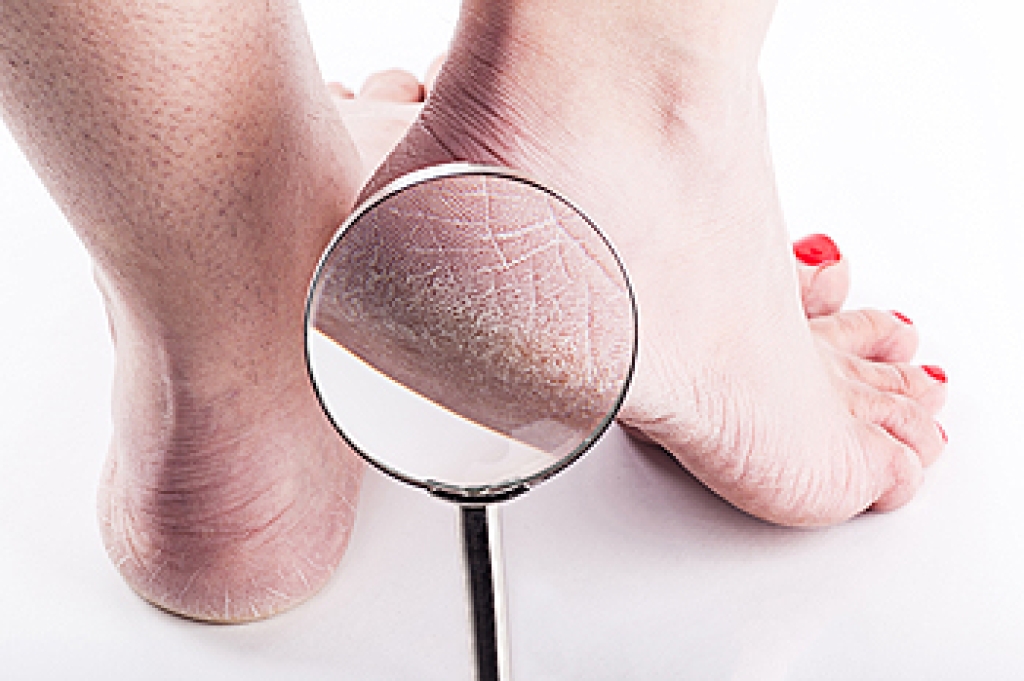
Symptoms of Cracked Heels

If you have ever experienced a foot condition that is known as cracked heels, you may be aware of the pain and discomfort that is often associated with it. The skin on the heels often becomes dry and hardened, and this typically indicates that the condition is beginning to develop. There may be several causes for this to occur, including a predisposition to skin conditions, which may include psoriasis or eczema, or other medical maladies such as diabetes or thyroid concerns. If the patient is diabetic, the cracks or fissures may not be felt, which may be due to a condition that is referred to as diabetic neuropathy. This may cause a lack of sensation and any pain and discomfort that is present may not be noticed. If you feel you are developing cracked heels, it’s important to confer with a podiatrist who can advise you on how to properly treat this condition, which may be helpful in attaining maximum comfort.

Cracked heels are unsightly and can cause further damage to your shoes and feet. If you have any concerns, contact James P. Huish, DPM from Arizona. Our doctors can provide the care you need to keep you pain-free and on your feet.

Cracked Heels

Cracked heels appear unappealing and can make it harder for you walk around in sandals. Aside from looking unpleasant, cracked heels can also tear stockings, socks, and wear out your shoes. There are several methods to help restore a cracked heel and prevent further damage.

How Do You Get Them?

Dry skin is the number one culprit in creating cracked heels. Many athletes, walkers, joggers, and even swimmers suffer from cracked heels. Age and skin oil production play a role to getting cracked heels as well.

Promote Healing

Over the counter medicines can help, especially for those that need instant relief or who suffer from chronic dry feet.

Wear Socks – Wearing socks with medicated creams helps lock in moisture.

Moisturizers – Applying both day and night will help alleviate dryness which causes cracking.

Pumice Stones – These exfoliate and remove dead skin, which allows for smoother moisturizer application and better absorption into the skin. 

Change in Diet

Eating healthy with a well-balanced diet will give the skin a fresh and radiant look. Your body responds to the kinds of food you ingest. Omega-3 fatty acids and zinc supplements can also revitalize skin tissue.

Most importantly, seek professional help if unsure how to proceed in treating cracked heels. A podiatrist will help you with any questions or information needed. 

If you have any questions, please feel free to contact our office located in Safford and Sierra Vista, AZ . We offer the newest diagnostic and treatment technologies for all your foot care needs.

Read more about Solutions for Cracked Heels

Symptoms and Causes of Flat Feet

Many people have a foot condition that is referred to as flat feet. This term is used if the patient has extremely low arches or the arch doesn't exist at all. The purpose of the arch is to aid in balancing the weight of the body as it extends to the feet and legs. The foot will benefit if the arch is flexible and strong, which may help in maintaining balance on different types of surfaces. There are several common symptoms that many patients are aware of including pain that may affect the entire foot and ankle, swelling on the inside of the foot, and a stiff feeling that may be experienced in one or both feet. Possible causes for this condition to develop may originate from an inherited trait, an injury that may have occurred to the foot or ankle, or a medical condition such as arthritis. A podiatrist can perform a correct diagnosis to determine the severity of this ailment in addition to discussing proper treatment techniques.

Flatfoot is a condition many people suffer from. If you have flat feet, contact James P. Huish, DPM from Arizona. Our doctors will treat your foot and ankle needs.

What Are Flat Feet?

Flatfoot is a condition in which the arch of the foot is depressed and the sole of the foot is almost completely in contact with the ground. About 20-30% of the population generally has flat feet because their arches never formed during growth.

Conditions & Problems:

Having flat feet makes it difficult to run or walk because of the stress placed on the ankles.

Alignment – The general alignment of your legs can be disrupted, because the ankles move inward which can cause major discomfort.

Knees – If you have complications with your knees, flat feet can be a contributor to arthritis in that area.  

Symptoms

  • Pain around the heel or arch area
  • Trouble standing on the tip toe
  • Swelling around the inside of the ankle
  • Flat look to one or both feet
  • Having your shoes feel uneven when worn

Treatment

If you are experiencing pain and stress on the foot you may weaken the posterior tibial tendon, which runs around the inside of the ankle. 

If you have any questions, please feel free to contact our office located in Safford and Sierra Vista, AZ . We offer the newest diagnostic and treatment technologies for all your foot care needs.

Read more about Flat Feet

Diabetes and Wound Care

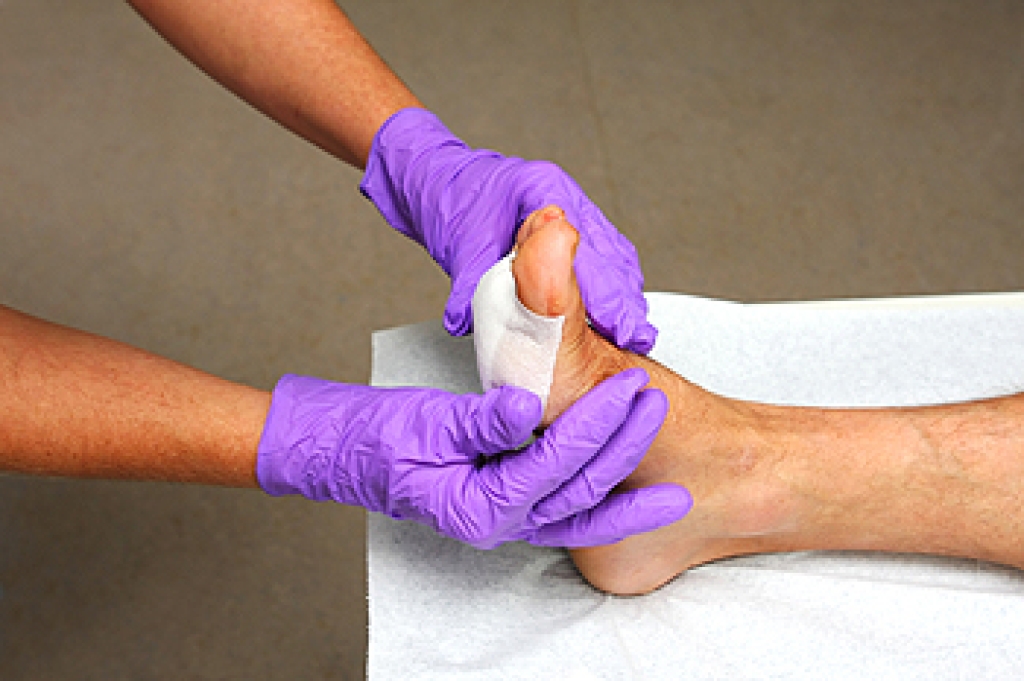
It’s important for most people to check their feet frequently for abnormal conditions, and this is especially true for diabetic patients. If cuts, scrapes and blisters are not noticed, the chances of developing an infection may be amplified because of the body’s inability to heal efficiently. If there are wounds on the feet, recent research has shown the importance of resting frequently, which takes pressure off of the affected area. If you notice cuts on your feet and ankles, it’s suggested to consult with a podiatrist as quickly as possible. At this time a treatment plan can be discussed, which may include what type of wound dressing to use and how often it should be changed. It may be helpful to the patient and may aid in the healing process if the blood sugar levels can be controlled by maintaining a healthy diet and gentle exercise plan.

Wound care is an important part in dealing with diabetes. If you have diabetes and a foot wound or would like more information about wound care for diabetics, consult with James P. Huish, DPM from Arizona. Our doctors will assess your condition and provide you with quality foot and ankle treatment.

What Is Wound Care?

Wound care is the practice of taking proper care of a wound. This can range from the smallest to the largest of wounds. While everyone can benefit from proper wound care, it is much more important for diabetics. Diabetics often suffer from poor blood circulation which causes wounds to heal much slower than they would in a non-diabetic. 

What Is the Importance of Wound Care?

While it may not seem apparent with small ulcers on the foot, for diabetics, any size ulcer can become infected. Diabetics often also suffer from neuropathy, or nerve loss. This means they might not even feel when they have an ulcer on their foot. If the wound becomes severely infected, amputation may be necessary. Therefore, it is of the upmost importance to properly care for any and all foot wounds.

How to Care for Wounds

The best way to care for foot wounds is to prevent them. For diabetics, this means daily inspections of the feet for any signs of abnormalities or ulcers. It is also recommended to see a podiatrist several times a year for a foot inspection. If you do have an ulcer, run the wound under water to clear dirt from the wound; then apply antibiotic ointment to the wound and cover with a bandage. Bandages should be changed daily and keeping pressure off the wound is smart. It is advised to see a podiatrist, who can keep an eye on it.

If you have any questions please contact our office located in Safford and Sierra Vista, AZ . We offer the newest diagnostic and treatment technologies for all your foot and ankle needs.

Read more about Wound Care

Connect With Us

scroll-to-top