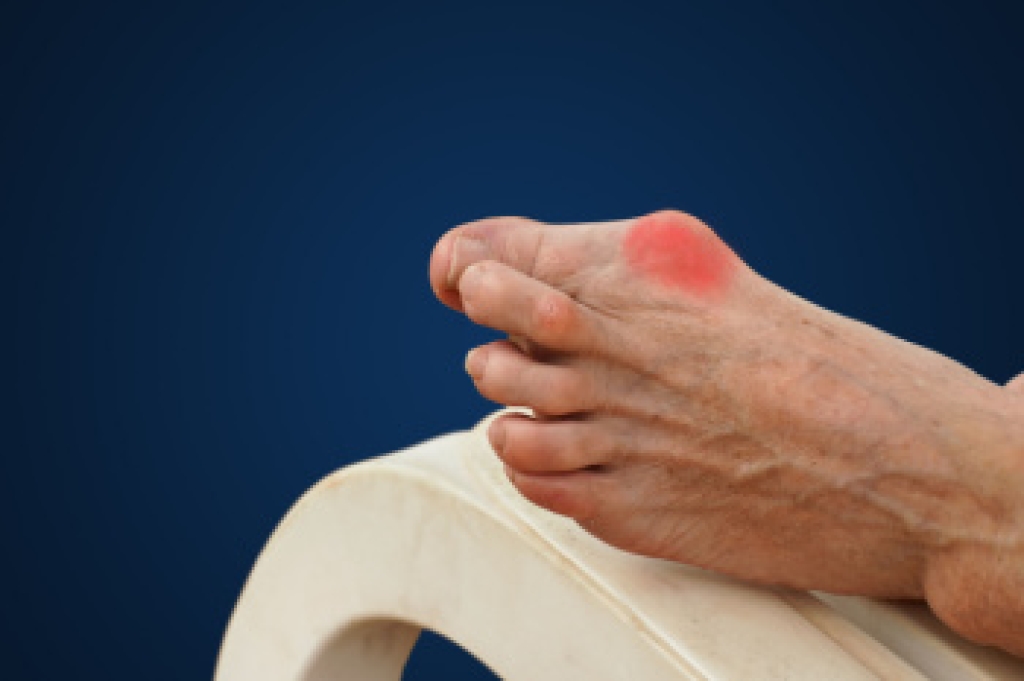
What Is a Bunion?

A bunion is a bony bump that forms at the base of the big toe, causing the joint to stick out as the top of the toe leans inward. This condition develops gradually due to pressure and the misalignment of the foot bones. Causes include genetics, wearing tight or narrow shoes, and certain foot types. Risk factors include arthritis, flat feet, and occupations that require long hours of standing. Symptoms include pain, swelling, redness, and difficulty wearing shoes. A podiatrist can diagnose bunions and offer treatment options, such as custom orthotics, footwear recommendations, or surgery, if needed. If you have developed a bunion, it is suggested that you consult a podiatrist who can offer you effective relief and treatment solutions.

If you are suffering from bunions, contact James P. Huish, DPM of Arizona. Our doctors can provide the care you need to keep you pain-free and on your feet.

What Is a Bunion?

A bunion is formed of swollen tissue or an enlargement of boney growth, usually located at the base joint of the toe that connects to the foot. The swelling occurs due to the bones in the big toe shifting inward, which impacts the other toes of the foot. This causes the area around the base of the big toe to become inflamed and painful.

Why Do Bunions Form?

Genetics – Susceptibility to bunions are often hereditary

Stress on the feet – Poorly fitted and uncomfortable footwear that places stress on feet, such as heels, can worsen existing bunions

How Are Bunions Diagnosed?

Podiatrists often perform two tests – blood tests and x-rays – when trying to diagnose bunions, especially in the early stages of development. Blood tests help determine if the foot pain is being caused by something else, such as arthritis, while x-rays provide a clear picture of your bone structure to your provider.

How Are Bunions Treated?

  • Refrain from wearing heels or similar shoes that cause discomfort
  • Select wider shoes that can provide more comfort and reduce pain
  • Anti-inflammatory and pain management drugs
  • Orthotics or foot inserts
  • Surgery

If you have any questions, please feel free to contact our office located in Safford and Sierra Vista, AZ . We offer the newest diagnostic and treatment technologies for all your foot care needs.

Read more about What Are Bunions?

Blisters and Corns Are Small Issues That Cause Big Discomfort

Blisters, corns, and calluses may seem minor, but they can cause significant foot discomfort. Blisters are fluid-filled pockets caused by friction, often from wearing tight shoes or taking long walks. Corns are small, hardened areas typically found on toes, while calluses are thicker patches of skin on the soles, both caused by repeated pressure or rubbing. These conditions may look like raised, thickened, or rough skin and can feel tender, painful, or irritated, especially when walking or wearing shoes. A podiatrist can treat them by gently removing thickened skin, draining blisters when necessary, and recommending proper footwear or orthotics to prevent recurrence. While these issues are common, people with diabetes or poor circulation are at a higher risk for complications, as minor skin problems can quickly lead to serious infections. If you have any of these conditions, it is suggested that you schedule an appointment with a podiatrist for appropriate treatment.

Blisters may appear as a single bubble or in a cluster. They can cause a lot of pain and may be filled with pus, blood, or watery serum. If your feet are hurting, contact James P. Huish, DPM of Arizona. Our doctors can provide the care you need to keep you pain-free and on your feet.

Foot Blisters

Foot blisters are often the result of friction. This happens due to the constant rubbing from shoes, which can lead to pain.

What Are Foot Blisters?

A foot blister is a small fluid-filled pocket that forms on the upper-most layer of the skin. Blisters are filled with clear fluid and can lead to blood drainage or pus if the area becomes infected.

Symptoms

(Blister symptoms may vary depending on what is causing them)

  • Bubble of skin filled with fluid
  • Redness
  • Moderate to severe pain
  • Itching

Prevention & Treatment

In order to prevent blisters, you should be sure to wear comfortable shoes with socks that cushion your feet and absorb sweat. Breaking a blister open may increase your chances of developing an infection. However, if your blister breaks, you should wash the area with soap and water immediately and then apply a bandage to the affected area. If your blisters cause severe pain it is important that you call your podiatrist right away.

If you have any questions, please feel free to contact our office located in Safford and Sierra Vista, AZ . We offer the newest diagnostic and treatment technologies for all your foot care needs.
Read more about Blisters

What You Should Know About Heel Pain

Heel pain is one of the most common foot complaints and can stem from a variety of causes. One frequent source is strain on the tissue that runs along the bottom of the foot, which can lead to soreness near the heel, especially in the morning or after periods of rest. Other possible causes include inflammation of the heel’s growth plate, irritation of surrounding tendons, or pressure from improper footwear. Sometimes the pain may come on gradually, while in other cases it may feel sharp and sudden. Activity level, foot shape, and age can all influence the risk of developing heel pain. Addressing the problem early often helps prevent it from becoming a long-term issue. If your heel continues to hurt or affects how you walk, it is suggested that you see a podiatrist to determine the cause and find the most effective solution.

Many people suffer from bouts of heel pain. For more information, contact James P. Huish, DPM of Arizona. Our doctors can provide the care you need to keep you pain-free and on your feet.

Causes of Heel Pain

Heel pain is often associated with plantar fasciitis. The plantar fascia is a band of tissues that extends along the bottom of the foot. A rip or tear in this ligament can cause inflammation of the tissue.

Achilles tendonitis is another cause of heel pain. Inflammation of the Achilles tendon will cause pain from fractures and muscle tearing. Lack of flexibility is also another symptom.

Heel spurs are another cause of pain. When the tissues of the plantar fascia undergo a great deal of stress, it can lead to ligament separation from the heel bone, causing heel spurs.

Why Might Heel Pain Occur?

  • Wearing ill-fitting shoes                
  • Wearing non-supportive shoes
  • Weight change           
  • Excessive running

Treatments

Heel pain should be treated as soon as possible for immediate results. Keeping your feet in a stress-free environment will help. If you suffer from Achilles tendonitis or plantar fasciitis, applying ice will reduce the swelling. Stretching before an exercise like running will help the muscles. Using all these tips will help make heel pain a condition of the past.

If you have any questions, please feel free to contact our office located in Safford and Sierra Vista, AZ . We offer the newest diagnostic and treatment technologies for all your foot care needs.

Read more about Heel Pain

The Importance of Wearing Safety Shoes at Work

Wearing safety shoes during the workday is essential for protecting your feet from a variety of hazards. These shoes help prevent slips and falls by providing proper traction and reduce fatigue through cushioning and support. They also guard against sharp object penetration and shield your feet from harsh weather conditions. Choosing the right work shoes can make a significant difference in your comfort and safety. However, the use of improper footwear can lead to foot injuries, pain, or long-term problems. A podiatrist can assess foot injuries caused by wearing incorrect work shoes and recommend solutions, such as custom insoles or alternative footwear options. If you have injured your feet during your work day, it is suggested that you consult a podiatrist who can treat various foot conditions.

While working on the feet, it is important to take the proper care of them. For more information about working on your feet, contact James P. Huish, DPM from Arizona. Our doctors will treat your foot and ankle needs.

Working on Your Feet

Standing on your feet for long periods of time can cause stress and pain in your feet. Your whole body may experience change in terms of posture, back pain, bunions, callouses and or plantar warts. There are ways to avoid these conditions with proper foot care, smart choices and correct posture.

Positive Changes

Negative heeled shoe – Choosing this shoe type places the heel slightly lower than the ball of the foot. These are great for overall foot health. Find shoes that fit you correctly.

Go barefoot – Our feet were not designed to be enclosed for all hours of the day. Try to periodically expose your feet to air.

Eliminate Pain

Foot Exercises – Performing simple exercises, incorporating yoga and doing stretches are beneficial. This will allow increased blood flow to the area and muscles of the foot.

Achilles tendon – Stretching the foot out flat on the floor will relax the calf muscles and tendon. These exercises can be performed almost anywhere. Make sure you add these exercises to your daily regimen. 

With a little bit of this information and knowing more about foot health, you will notice changes. Foot stretches and proper footwear will help with pain and prevent further issues.

If you have any questions please contact our office located in Safford and Sierra Vista, AZ . We offer the newest diagnostic and treatment technologies for all your foot and ankle needs.

Read more about Working on Your Feet

Gout Pain Can Be Managed

Gout is a painful, inflammatory form of arthritis. Those affected will typically feel an intense stiffness in the joints of their feet, particularly in the big toe. Schedule a visit to learn about how gout can be managed and treated.

Connect With Us

scroll-to-top