Why Do I Have an Ingrown Toenail?

If you’ve noticed your toenail has grown into the surrounding skin of your nail, it’s very possible that you may be dealing with an ingrown toenail. Ingrown toenails can be uncomfortable and often painful if left untreated. You may be wondering how did this happen? There are a few reasons why an ingrown toenail may develop. Common causes may include trauma to the affected toenail, such as stubbing the toe, wearing shoes that are too tight, cutting your toenails too short, and cutting your toenails on an angle. To ensure that an infection does not develop, please seek the care of a podiatrist to help you with treatment.

Ingrown toenails can become painful if they are not treated properly. For more information about ingrown toenails, contact James P. Huish, DPM of Arizona. Our doctors can provide the care you need to keep you pain-free and on your feet.

Ingrown Toenails

Ingrown toenails occur when a toenail grows sideways into the bed of the nail, causing pain, swelling, and possibly infection.

Causes

  • Bacterial infections
  • Improper nail cutting such as cutting it too short or not straight across
  • Trauma to the toe, such as stubbing, which causes the nail to grow back irregularly
  • Ill-fitting shoes that bunch the toes too close together
  • Genetic predisposition

Prevention

Wearing proper fitting shoes and using proper cutting techniques will also help decrease your risk of developing ingrown toenails.

Treatment

Ingrown toenails are a very treatable foot condition. In minor cases, soaking the affected area in salt or antibacterial soaps will not only help with the ingrown nail itself, but also help prevent any infections from occurring. In more severe cases, surgery is an option. In either case, speaking to your podiatrist about this condition will help you get a better understanding of specific treatment options that are right for you.

If you have any questions, please feel free to contact our office located in Safford and Sierra Vista, AZ . We offer the newest diagnostic and treatment technologies for all your foot care needs.
Read more about Ingrown Toenails

Possible Symptoms of Neuropathy

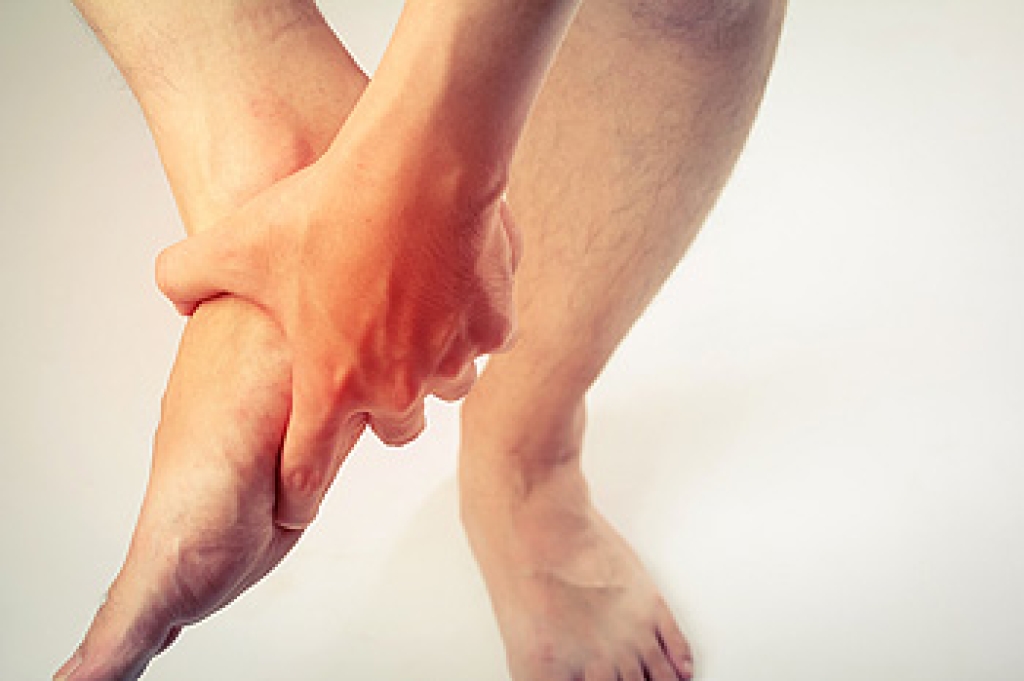
The peripheral nerves control several responses in the body, including the sense of touch, muscle strength, and the ability to feel pain. Neuropathy indicates a loss of sensation in the feet and fingers, and can cause severe pain and discomfort. It can occur as a result of existing medical conditions such as diabetes and kidney disease. Additionally, excessive alcohol use and vitamin deficiency may lead to developing neuropathy. Some of the symptoms that are associated with this condition can be a loss of balance, and many patients can experience shooting pain in the limbs. Research has indicated that it may be beneficial to incorporate healthy eating habits into your daily regimen, and it may help to perform simple exercises that can increase muscle strength. If your feet are numb, it is strongly recommended that you are under the care of a podiatrist who can properly diagnose and treat neuropathy.

Neuropathy

Neuropathy can be a potentially serious condition, especially if it is left undiagnosed. If you have any concerns that you may be experiencing nerve loss in your feet, consult with James P. Huish, DPM from Arizona. Our doctors will assess your condition and provide you with quality foot and ankle treatment for neuropathy.

What Is Neuropathy?

Neuropathy is a condition that leads to damage to the nerves in the body. Peripheral neuropathy, or neuropathy that affects your peripheral nervous system, usually occurs in the feet. Neuropathy can be triggered by a number of different causes. Such causes include diabetes, infections, cancers, disorders, and toxic substances.

Symptoms of Neuropathy Include:

  • Numbness
  • Sensation loss
  • Prickling and tingling sensations
  • Throbbing, freezing, burning pains
  • Muscle weakness

Those with diabetes are at serious risk due to being unable to feel an ulcer on their feet. Diabetics usually also suffer from poor blood circulation. This can lead to the wound not healing, infections occurring, and the limb may have to be amputated.

Treatment

To treat neuropathy in the foot, podiatrists will first diagnose the cause of the neuropathy. Figuring out the underlying cause of the neuropathy will allow the podiatrist to prescribe the best treatment, whether it be caused by diabetes, toxic substance exposure, infection, etc. If the nerve has not died, then it’s possible that sensation may be able to return to the foot.

Pain medication may be issued for pain. Electrical nerve stimulation can be used to stimulate nerves. If the neuropathy is caused from pressure on the nerves, then surgery may be necessary.

If you have any questions, please feel free to contact our office located in Safford and Sierra Vista, AZ . We offer the newest diagnostic and treatment technologies for all your foot care needs.
Read more about Neuropathy

Why Live with Pain and Numbness in Your Feet?

Suffering from this type of pain? You may have the foot condition known as Morton's neuroma. Morton's neuroma may develop as a result of ill-fitting footwear and existing foot deformities. We can help.

Nonsurgical Treatments for Bunions

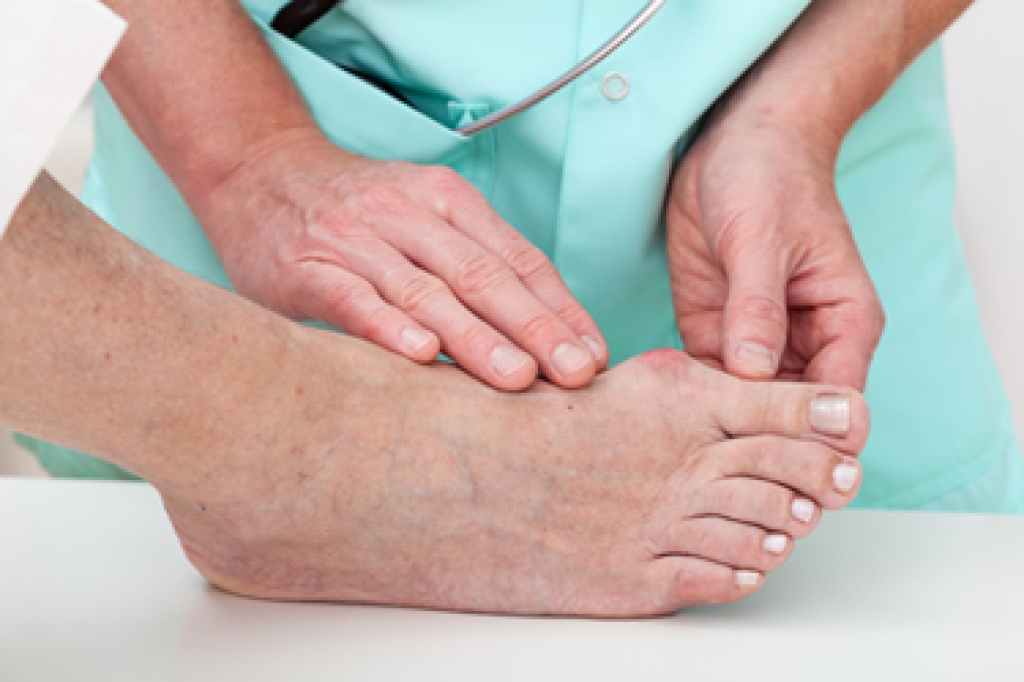
If you have a bunion, a bony bump on the side of the big toe, you may have heard that surgery is needed to treat the pain that it causes. This is not necessarily true, as there are nonsurgical treatments for bunions as well. Changing your shoes to a pair that are wider and more supportive, wearing orthotics, wearing pads placed over the bunion, avoiding activities that cause bunion pain, taking nonsteroidal anti-inflammatory medications, or icing the foot can all help ease your pain. If nonsurgical treatments do not provide much relief, or if the pain from your bunion is severe enough to interfere with daily activities, then it may be time to consider surgery. If you are suffering from bunions, it is recommended that you see a podiatrist for treatment.

If you are suffering from bunions, contact James P. Huish, DPM of Arizona. Our doctors can provide the care you need to keep you pain-free and on your feet.

What Is a Bunion?

A bunion is formed of swollen tissue or an enlargement of boney growth, usually located at the base joint of the toe that connects to the foot. The swelling occurs due to the bones in the big toe shifting inward, which impacts the other toes of the foot. This causes the area around the base of the big toe to become inflamed and painful.

Why Do Bunions Form?

Genetics – Susceptibility to bunions are often hereditary

Stress on the feet – Poorly fitted and uncomfortable footwear that places stress on feet, such as heels, can worsen existing bunions

How Are Bunions Diagnosed?

Doctors often perform two tests – blood tests and x-rays – when trying to diagnose bunions, especially in the early stages of development. Blood tests help determine if the foot pain is being caused by something else, such as arthritis, while x-rays provide a clear picture of your bone structure to your doctor.

How Are Bunions Treated?

  • Refrain from wearing heels or similar shoes that cause discomfort
  • Select wider shoes that can provide more comfort and reduce pain
  • Anti-inflammatory and pain management drugs
  • Orthotics or foot inserts
  • Surgery

If you have any questions, please feel free to contact our office located in Safford and Sierra Vista, AZ . We offer the newest diagnostic and treatment technologies for all your foot care needs.

Read more about What Are Bunions?

Do you Stand at Work?

People who have jobs that require them to stand for the majority of the day may be prone to developing foot conditions. There are also people who must stand at a computer work station all day and may experience general pain and fatigue in their feet. This is why it is beneficial to incorporate successful strategies for foot health into the work day. These can include maintaining a correct standing posture, which can consist of keeping the toes pointed forward, and ensuring that the feet are lying flat on the floor. It is helpful to walk for a short amount of time every hour, in addition to performing mobility exercises. Lastly, wearing shoes that are comfortable, supportive, and match your particular job, are essential to keeping the feet safe and protected. These are a few methods that may help to keep your feet healthy during the work day, and it is suggested that you consult with a podiatrist to learn more about the techniques that are best for you.

While working on the feet, it is important to take the proper care of them. For more information about working on your feet, contact James P. Huish, DPM from Arizona. Our doctors will treat your foot and ankle needs.

Working on Your Feet

Standing on your feet for long periods of time can cause stress and pain in your feet. Your whole body may experience change in terms of posture, back pain, bunions, callouses and or plantar warts. There are ways to avoid these conditions with proper foot care, smart choices and correct posture.

Positive Changes

Negative heeled shoe – Choosing this shoe type places the heel slightly lower than the ball of the foot. These are great for overall foot health. Find shoes that fit you correctly.

Go barefoot – Our feet were not designed to be enclosed for all hours of the day. Try to periodically expose your feet to air.

Eliminate Pain

Foot Exercises – Performing simple exercises, incorporating yoga and doing stretches are beneficial. This will allow increased blood flow to the area and muscles of the foot.

Achilles tendon – Stretching the foot out flat on the floor will relax the calf muscles and tendon. These exercises can be performed almost anywhere. Make sure you add these exercises to your daily regimen. 

With a little bit of this information and knowing more about foot health, you will notice changes. Foot stretches and proper footwear will help with pain and prevent further issues.

If you have any questions please contact our office located in Safford and Sierra Vista, AZ . We offer the newest diagnostic and treatment technologies for all your foot and ankle needs.

Read more about How to Handle a Long Work Day on Your Feet

Connect With Us

scroll-to-top