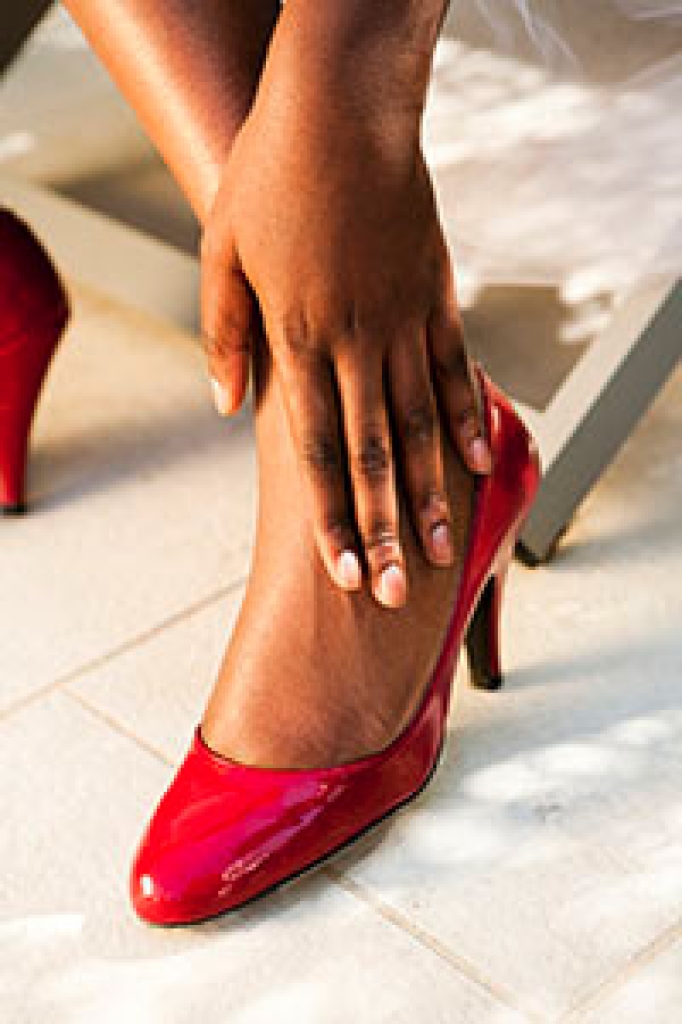
What Is Cuboid Syndrome?

The bones that are found on the outside of the foot are referred to as the tarsal bones. The cuboid bone has six sides, and is located within these group of bones. The function of this bone is to keep the foot stabilized in addition to evenly distributing the body’s weight. If an injury should occur that affects the cuboid bone, a condition that is known as cuboid syndrome may develop. This can happen as a result of an injury that includes sprained ankles, or possibly from performing repetitive motions that running and dancing are comprised of. The symptoms that are associated with this condition often include pain and discomfort that is felt on the outside of the foot, and it may be difficult to walk. If you have experienced an injury, and notice pain on one side of your foot, it is advised to counsel with a podiatrist who can recommend correct treatment options.

Cuboid syndrome, also known as cuboid subluxation, occurs when the joints and ligaments near the cuboid bone in the foot become torn. If you have cuboid syndrome, consult with James P. Huish, DPM from Arizona. Our doctors will assess your condition and provide you with quality foot and ankle treatment.

Cuboid syndrome is a common cause of lateral foot pain, which is pain on the outside of the foot. The condition may happen suddenly due to an ankle sprain, or it may develop slowly overtime from repetitive tension through the bone and surrounding structures.

Causes

The most common causes of cuboid syndrome include:

  • Injury – The most common cause of this ailment is an ankle sprain.
  • Repetitive Strain – Tension placed through the peroneus longus muscle from repetitive activities such as jumping and running may cause excessive traction on the bone causing it to sublux.
  • Altered Foot Biomechanics – Most people suffering from cuboid subluxation have flat feet.

Symptoms

A common symptom of cuboid syndrome is pain along the outside of the foot which can be felt in the ankle and toes. This pain may create walking difficulties and may cause those with the condition to walk with a limp.

Diagnosis

Diagnosis of cuboid syndrome is often difficult, and it is often misdiagnosed. X-rays, MRIs and CT scans often fail to properly show the cuboid subluxation. Although there isn’t a specific test used to diagnose cuboid syndrome, your podiatrist will usually check if pain is felt while pressing firmly on the cuboid bone of your foot.

Treatment

Just as the range of causes varies widely, so do treatments. Some more common treatments are ice therapy, rest, exercise, taping, and orthotics.

If you have any questions, please feel free to contact our office located in Safford and Sierra Vista, AZ . We offer the newest diagnostic and treatment technologies for all your foot care needs.

Read more about Cuboid Syndrome

Reminder: When Was the Last Time...?

Custom orthotics, or shoe inserts, should be periodically replaced. Orthotics must fit properly to give you the best results. Protect your feet and ankles!

Is Hammertoe Surgery Effective?

The condition that is known as hammertoe is considered to be a deformity of the middle toes. It can cause severe pain and discomfort, and wearing certain shoes may be difficult to accomplish. It is typically caused by a muscle imbalance, which results in pressure being exerted on the tendons in the toes. One of the reasons hammertoe develops can come from wearing shoes that do not fit properly. These include high heels, which push the front of the foot down, and rests against the shoe. It is common for the muscles to weaken, and this causes the toes to curl. This condition is effectively treated with surgery, which involves permanent straightening of the toes. If you have developed hammertoe, it is advised to seek the counsel of a podiatrist to discuss different types of hammertoe surgery.

Hammertoe

Hammertoes can be a painful condition to live with. For more information, contact James P. Huish, DPM from Arizona. Our doctors will answer any of your foot- and ankle-related questions.

Hammertoe is a foot deformity that affects the joints of the second, third, fourth, or fifth toes of your feet. It is a painful foot condition in which these toes curl and arch up, which can often lead to pain when wearing footwear.

Symptoms

  • Pain in the affected toes
  • Development of corns or calluses due to friction
  • Inflammation
  • Redness
  • Contracture of the toes

Causes

Genetics – People who are genetically predisposed to hammertoe are often more susceptible

Arthritis – Because arthritis affects the joints in your toes, further deformities stemming from arthritis can occur

Trauma – Direct trauma to the toes could potentially lead to hammertoe

Ill-fitting shoes – Undue pressure on the front of the toes from ill-fitting shoes can potentially lead to the development of hammertoe

Treatment

Orthotics – Custom made inserts can be used to help relieve pressure placed on the toes and therefore relieve some of the pain associated with it

Medications – Oral medications such as anti-inflammatories or NSAIDs could be used to treat the pain and inflammation hammertoes causes. Injections of corticosteroids are also sometimes used

Surgery – In more severe cases where the hammertoes have become more rigid, foot surgery is a potential option

If you have any questions, please feel free to contact our office located in Safford and Sierra Vista, AZ . We offer the newest diagnostic and treatment technologies for all your foot care needs.
Read more about What Are Hammertoes?

Practicing Yoga May Benefit the Feet

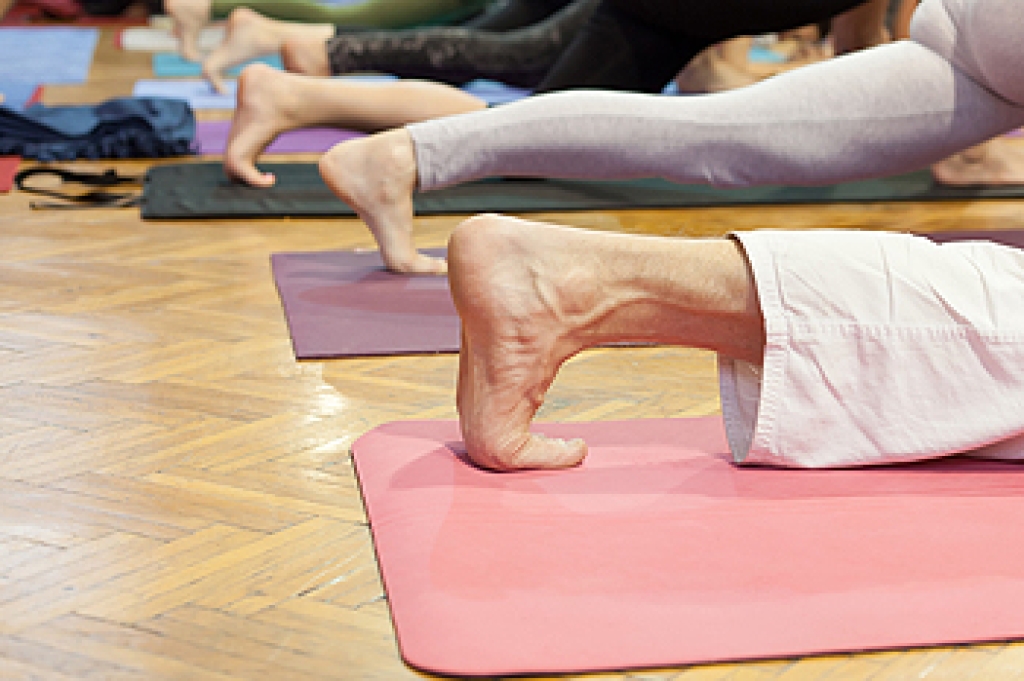
As the weather gets warmer, many people enjoy spending time outdoors. When the feet are properly stretched, aches and pains in the feet may diminish, and this can help to make daily activities more enjoyable. Research has indicated that practicing yoga may be beneficial in developing balanced alignment in the feet, which may positively affect the overall health of the body. Additionally, when proper stretching techniques are implemented, the healing process may be accelerated in existing foot conditions. One particular stretch, called "weaving," may be helpful in finding mild relief from an aching bunion. This is achieved by weaving your fingers through the toes on the opposite foot, creating space between them. If you would like additional information about the benefits of stretching the feet, it is suggested that you speak to a podiatrist.

Stretching the feet is a great way to prevent injuries. If you have any concerns with your feet consult with James P. Huish, DPM from Arizona. Our doctors will assess your condition and provide you with quality foot and ankle treatment.

Stretching the Feet

Being the backbone of the body, the feet carry your entire weight and can easily become overexerted, causing cramps and pain. As with any body part, stretching your feet can serve many benefits. From increasing flexibility to even providing some pain relief, be sure to give your feet a stretch from time to time. This is especially important for athletes or anyone performing aerobic exercises, but anyone experiencing foot pain or is on their feet constantly should also engage in this practice.

Great ways to stretch your feet:

  • Crossing one leg over the others and carefully pull your toes back. Do 10-20 repetitions and repeat the process for each foot
  • Face a wall with your arms out and hands flat against the wall. Step back with one foot and keep it flat on the floor while moving the other leg forward. Lean towards the wall until you feel a stretch. Hold for 30 seconds and perform 10 repetitions for each foot
  • Be sure not to overextend or push your limbs too hard or you could risk pulling or straining your muscle

Individuals who tend to their feet by regular stretching every day should be able to minimize foot pain and prevent new problems from arising.

If you have any questions please contact our office located in Safford and Sierra Vista, AZ . We offer the newest diagnostic and treatment technologies for all your foot and ankle needs.

Read more about Stretching Your Feet

Where Are Plantar Warts Located?

A plantar wart differs from other warts because it is found on the heel of the foot. It is known to grow inward as a result of pressure that is put on the heel while walking and can cause severe pain and discomfort. This type of wart is considered to be contagious, and it is suggested to speak to your child about refraining from sharing shoes and towels. It appears as a small, hardened area of skin, and may have black dots in the center. If the wart begins to spread or causes chronic pain, it is suggested that you speak to a podiatrist who can recommend effective methods of treatments. These may include applying prescribed medication, or possibly injecting the site with specific medicine. It is strongly recommended that your child keep all follow-up appointments, which may aid in attaining a complete recovery.

Plantar warts can be very uncomfortable. If you need your feet checked, contact James P. Huish, DPM from Arizona. Our doctors will assist you with all of your foot and ankle needs.

About Plantar Warts

Plantar warts are the result of HPV, or human papillomavirus, getting into open wounds on the feet. They are mostly found on the heels or balls of the feet.

While plantar warts are generally harmless, those experiencing excessive pain or those suffering from diabetes or a compromised immune system require immediate medical care. Plantar warts are easily diagnosed, usually through scraping off a bit of rough skin or by getting a biopsy.

Symptoms

  • Lesions on the bottom of your feet, usually rough and grainy
  • Hard or thick callused spots
  • Wart seeds, which are small clotted blood vessels that look like little black spots
  • Pain, discomfort, or tenderness of your feet when walking or standing

Treatment

  • Freezing
  • Electric tool removal
  • Laser Treatment
  • Topical Creams (prescription only)
  • Over-the-counter medications

To help prevent developing plantar warts, avoid walking barefoot over abrasive surfaces that can cause cuts or wounds for HPV to get into. Avoiding direct contact with other warts, as well as not picking or rubbing existing warts, can help prevent the further spread of plantar warts. However, if you think you have developed plantar warts, speak to your podiatrist. He or she can diagnose the warts on your feet and recommend the appropriate treatment options.

If you have any questions, please feel free to contact our office located in Safford and Sierra Vista, AZ . We offer the newest diagnostic and treatment technologies for all your foot care needs.
Read more about What Are Plantar Warts?

Connect With Us

scroll-to-top