Methods That May Help Sweaty Feet to Feel Better

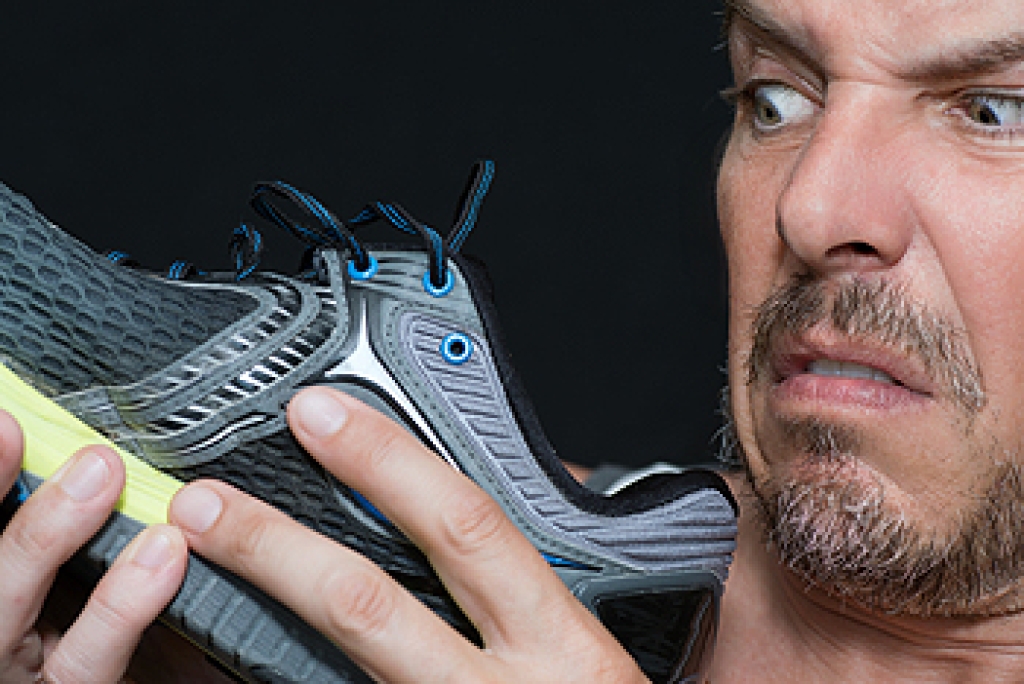
The medical condition that is referred to as plantar hyperhidrosis is known as excessive sweaty feet. Patients who are affected by this ailment have endocrine glands that produce large amounts of sweat throughout the day. Research has indicated it may be helpful to keep a written log on how often sweating episodes occur. It may be easier to notice if there are any emotional triggers, or from the foods that are eaten. Moderate relief may be found when cotton socks are worn, and this may help to absorb existing sweat. Research has indicated it is beneficial to drink plenty of fresh water daily, which is known to regulate body temperature. If you are afflicted with plantar hyperhidrosis, it is advised that you consult with a podiatrist who can guide you to the correct treatment options.

If you are suffering from hyperhidrosis contact James P. Huish, DPM of Arizona. Our doctors can provide the care you need to attend to all of your foot and ankle needs.

Hyperhidrosis of the Feet

Hyperhidrosis is a rare disorder that can cause people to have excessive sweating of their feet. This can usually occur all on its own without rigorous activity involved. People who suffer from hyperhidrosis may also experience sweaty palms.

Although it is said that sweating is a healthy process meant to cool down the body temperature and to maintain a proper internal temperature, hyperhidrosis may prove to be a huge hindrance on a person’s everyday life.

Plantar hyperhidrosis is considered to be the main form of hyperhidrosis. Secondary hyperhidrosis can refer to sweating that occurs in areas other than the feet or hands and armpits. Often this may be a sign of it being related to another medical condition such as menopause, hyperthyroidism and even Parkinson’s disease.

In order to alleviate this condition, it is important to see your doctor so that they may prescribe the necessary medications so that you can begin to live a normal life again. If this is left untreated, it is said that it will persist throughout an individual’s life.

A last resort approach would be surgery, but it is best to speak with your doctor to find out what may be the best treatment for you.

If you have any questions, please feel free to contact our office located in Safford and Sierra Vista, AZ . We offer the newest diagnostic and treatment technologies for all your foot care needs.

Read more about Hyperhidrosis of the Feet

Signs a Wound is not Healing Properly

If you step on something that pierces the skin on the foot, it may be treated by applying a bandage or by using skin glue. An X-ray is often performed if the object is embedded in the sole of the foot, and surgery may be required to remove it. The wound will generally heal faster when it is kept clean and dry. After thoroughly washing the hands, the bandage should be removed, and the affected area washed with antibacterial soap and warm water. Many patients will notice if the wound is not healing properly. This can include redness and swelling, the edges of the wound may reopen, and it may be difficult to move the foot. If you would like additional information about how to care for a wound on the foot, it is suggested that you speak to a podiatrist.

Wound care is an important part in dealing with diabetes. If you have diabetes and a foot wound or would like more information about wound care for diabetics, consult with James P. Huish, DPM from Arizona. Our doctors will assess your condition and provide you with quality foot and ankle treatment.

What Is Wound Care?

Wound care is the practice of taking proper care of a wound. This can range from the smallest to the largest of wounds. While everyone can benefit from proper wound care, it is much more important for diabetics. Diabetics often suffer from poor blood circulation which causes wounds to heal much slower than they would in a non-diabetic. 

What Is the Importance of Wound Care?

While it may not seem apparent with small ulcers on the foot, for diabetics, any size ulcer can become infected. Diabetics often also suffer from neuropathy, or nerve loss. This means they might not even feel when they have an ulcer on their foot. If the wound becomes severely infected, amputation may be necessary. Therefore, it is of the upmost importance to properly care for any and all foot wounds.

How to Care for Wounds

The best way to care for foot wounds is to prevent them. For diabetics, this means daily inspections of the feet for any signs of abnormalities or ulcers. It is also recommended to see a podiatrist several times a year for a foot inspection. If you do have an ulcer, run the wound under water to clear dirt from the wound; then apply antibiotic ointment to the wound and cover with a bandage. Bandages should be changed daily and keeping pressure off the wound is smart. It is advised to see a podiatrist, who can keep an eye on it.

If you have any questions please contact our office located in Safford and Sierra Vista, AZ . We offer the newest diagnostic and treatment technologies for all your foot and ankle needs.

Read more about Wound Care

Do Your Child's Feet Hurt?

Have your child's feet been examined lately? Healthy feet are happy feet. If your child is complaining of foot pain, it may be a sign of underlying problems.

Children and Walking Barefoot While Indoors

Many parents understand the importance of having their toddlers walk barefoot while indoors. This is helpful in strengthening the toes and the top of the feet as they grasp the floor. Additionally, it can promote balance, coordination, and good posture. Research has shown that many babies are born with flat feet, and the arch will generally develop as they are in their teenage years. When children start to walk outside, it is beneficial to have their feet properly measured, and this is helpful in determining the correct size shoe. When the first shoes are purchased, it is important to ensure there is adequate room for the toes to move freely in.  If you notice your child walks with their feet pointed inward or outward, it is suggested that you schedule a consultation with a podiatrist who can properly monitor any foot condition.

The health of a child’s feet is vital to their overall well-being. If you have any questions regarding foot health, contact James P. Huish, DPM of Arizona. Our doctors can provide the care you need to keep you pain-free and on your feet.

Tips for Keeping Children's Feet Healthy

  • Make sure their shoes fit properly
  • Look for any signs of in-toeing or out-toeing
  • Check to see if they have Clubfoot (condition that affects your child’s foot and ankle, twisting the heel and toes inward) which is one of the most common nonmajor birth defects.
  • Lightly cover your baby’s feet (Tight covers may keep your baby from moving their feet freely, and could prevent normal development)
  • Allow your toddler to go shoeless (Shoes can be restricting for a young child’s foot)
  • Cut toenails straight across to avoid ingrown toenails
  • Keep your child’s foot clean and dry
  • Cover cuts and scrapes. Wash any scratches with soap and water and cover them with a bandage until they’ve healed.

If you have any questions, please feel free to contact our office located in Safford and Sierra Vista, AZ . We offer the newest diagnostic and treatment technologies for all your foot care needs.

Read more about What to Do to Keep Your Child’s Feet Healthy

Potential Foot Damage as a Result of Obesity

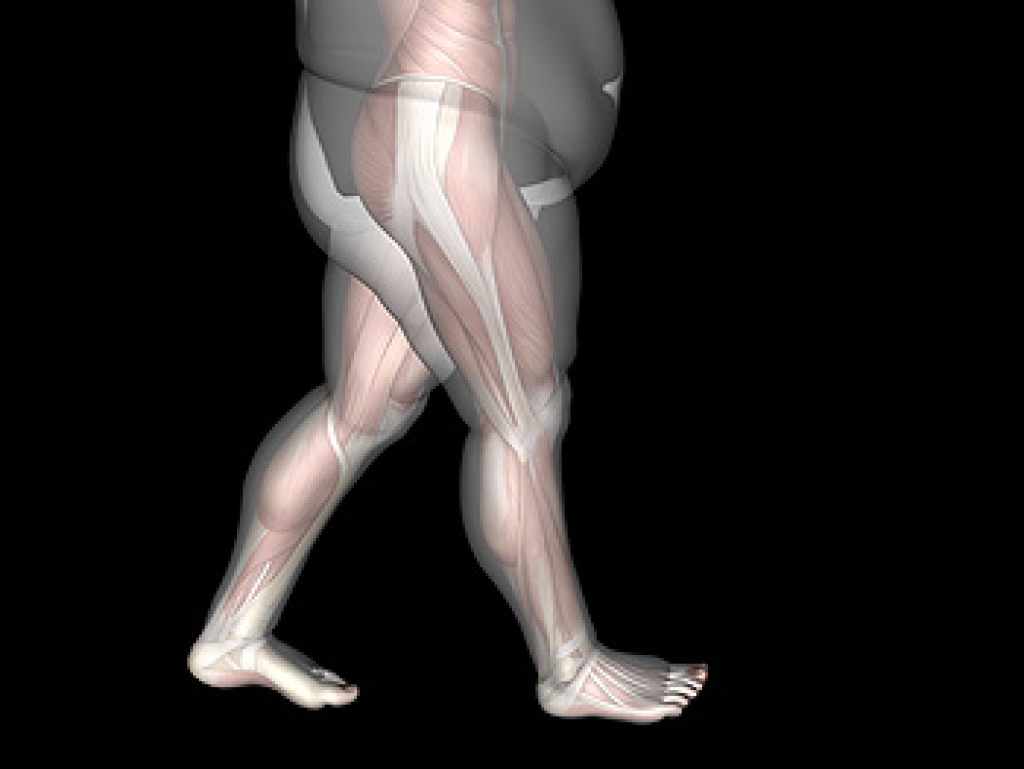
Research has indicated patients who are obese may suffer from tendon damage in the feet and ankles. This may precede serious foot conditions. People who are obese may choose to wear shoes that have little or no support because they are easy to slip into, but these types of shoes can cause severe arch problems, and can lead to possible bone damage. Additionally, being excessively overweight can damage the plantar fascia, which is a band of tissue that is located on the bottom of the foot. This connects the heel to the toes, and plantar fasciitis may develop if it becomes inflamed. Children may endure structural changes to the feet if they are overweight, and this may change the way they walk. If you have concerns about how obesity can affect the feet, it is strongly suggested that you speak to a podiatrist who can answer any questions or concerns you may have.

The more you weigh, the harder your feet must work to support your body. If you’re an obese individual and are concerned about your feet, contact James P. Huish, DPM from Arizona. Our doctors can provide the care you need to keep you pain-free and on your feet.

Obesity and Your Feet

People who are overweight are putting more pressure on their ankles, knees, and hips as well as their feet. This unfortunately can lead to variety of different issues.

Problems & Complications Stemming from Obesity

  • When the body is overweight, it tries to compensate by changing the way that it moves. An obese person may lean forward and put extra weight on the wrong part of the foot. This puts unnecessary stress on the feet.
  • Obese people are also more likely to develop type II diabetes which is a condition that causes a lot of foot problems. People with diabetes often don’t feel the cuts and sores that they may have on their feet, which can lead to more complicated and severe issues.
  • Plantar fasciitis is another foot condition that can be caused by obesity. Plantar fasciitis is an inflammation of the tissue along the bottom of the foot, which causes pain and stiffness while walking and climbing stairs.

If you have any questions please contact our office located in Safford and Sierra Vista, AZ . We offer the newest diagnostic and treatment technologies for all your foot and ankle needs.

Read more about Obesity and the Feet

Connect With Us

scroll-to-top