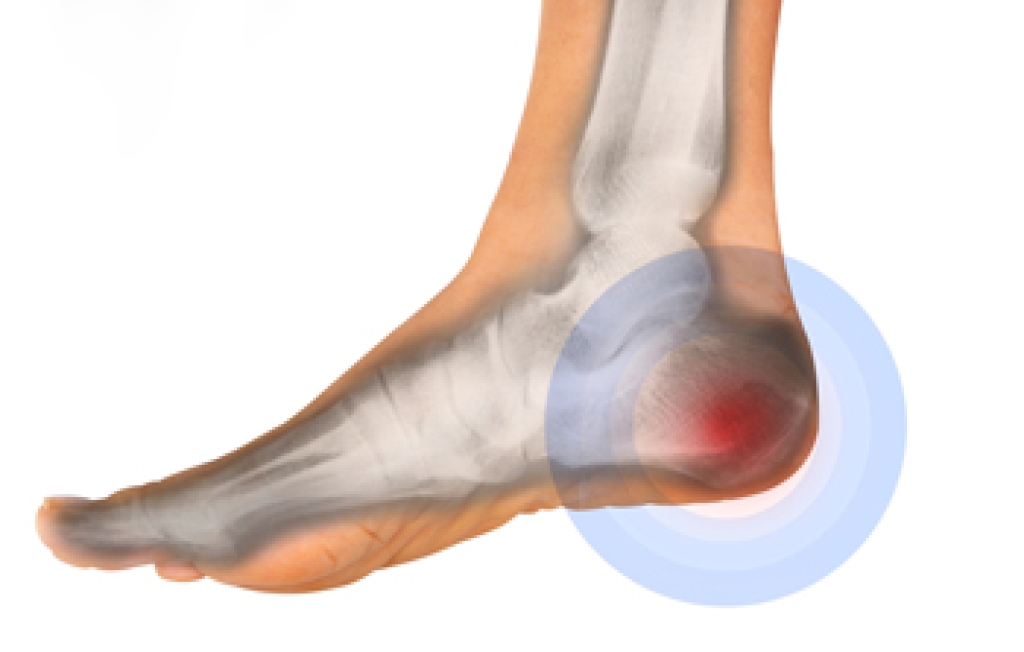
Heel Pain and the Plantar Fasciitis

If you find you are experiencing heel pain throughout the day, especially in the morning, you may have a foot condition that is referred to as plantar fasciitis. Tenderness in the heel, a tingling sensation, or limping, are among the symptoms of plantar fasciitis. This condition develops as a result of the plantar fascia becoming torn, which may often be due to excessive strain the foot endures during physical activity. When this band of tissue that runs along the bottom of the foot becomes injured, patients will most likely feel intense heel pain. It’s important to have a proper diagnosis performed, and this may be accomplished by undergoing an MRI in addition to a physical examination. There are many treatment options available, and it’s suggested to schedule a consultation with a podiatrist who can choose the best one for you.

Plantar fasciitis is a common foot condition that is often caused by a strain injury. If you are experiencing heel pain or symptoms of plantar fasciitis, contact James P. Huish, DPM from Arizona. Our doctors can provide the care you need to keep you pain-free and on your feet.

What Is Plantar Fasciitis?

Plantar fasciitis is one of the most common causes of heel pain. The plantar fascia is a ligament that connects your heel to the front of your foot. When this ligament becomes inflamed, plantar fasciitis is the result. If you have plantar fasciitis you will have a stabbing pain that usually occurs with your first steps in the morning. As the day progresses and you walk around more, this pain will start to disappear, but it will return after long periods of standing or sitting.

What Causes Plantar Fasciitis?

  • Excessive running
  • Having high arches in your feet
  • Other foot issues such as flat feet
  • Pregnancy (due to the sudden weight gain)
  • Being on your feet very often

There are some risk factors that may make you more likely to develop plantar fasciitis compared to others. The condition most commonly affects adults between the ages of 40 and 60. It also tends to affect people who are obese because the extra pounds result in extra stress being placed on the plantar fascia.

Prevention

  • Take good care of your feet – Wear shoes that have good arch support and heel cushioning.
  • Maintain a healthy weight
  • If you are a runner, alternate running with other sports that won’t cause heel pain

There are a variety of treatment options available for plantar fasciitis along with the pain that accompanies it. Additionally, physical therapy is a very important component in the treatment process. It is important that you meet with your podiatrist to determine which treatment option is best for you.

If you have any questions, please feel free to contact our office located in Safford and Sierra Vista, AZ . We offer the newest diagnostic and treatment technologies for all your foot care needs.

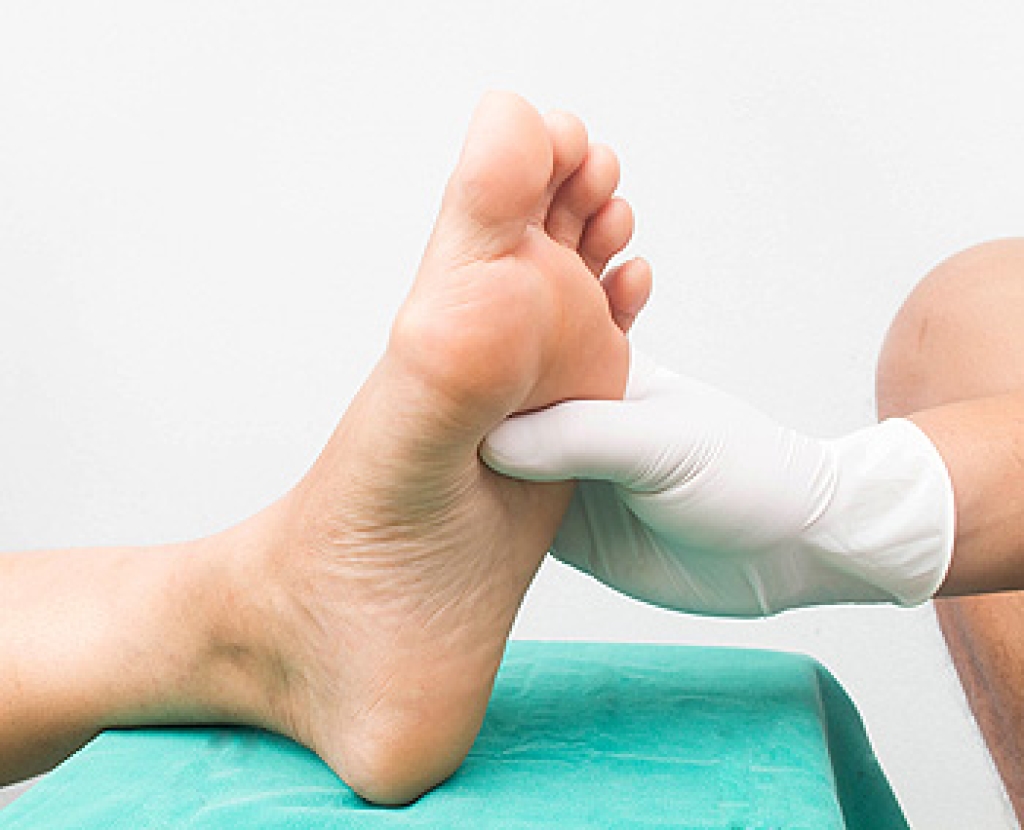
 

Read more about Plantar Fasciitis

How to Tell If You Have Plantar Fasciitis

The plantar fascia is a long ligament that runs along the bottom of the foot. This ligament is responsible for connecting the heel to the front of the foot, and it supports the foot’s arch. Plantar fasciitis is the number one cause of heel pain. It has been estimated that approximately 2 million people each year are treated for this condition. You will be more likely to develop plantar fasciitis if you are obese, have a high foot arch, are involved in sports, or have tighter calf muscles. Many people who have plantar fasciitis also have heel spurs, but heel spurs are not the cause of plantar fasciitis. Symptoms of plantar fasciitis include pain near the heel, pain after getting up in the morning, and pain after exercising. If you suspect that you may have plantar fasciitis, you should speak with your podiatrist to explore treatment options that could potentially work for you.

Plantar fasciitis can be very painful and inconvenient. If you are experiencing heel pain or symptoms of plantar fasciitis, contact James P. Huish, DPM  from Arizona. Our doctors can provide the care you need to keep you pain-free and on your feet.

What Is Plantar Fasciitis?

Plantar fasciitis is the inflammation of the thick band of tissue that runs along the bottom of your foot, known as the plantar fascia, and causes mild to severe heel pain.

What Causes Plantar Fasciitis?

  • Excessive running
  • Non-supportive shoes
  • Overpronation
  • Repeated stretching and tearing of the plantar fascia

How Can It Be Treated?

  • Conservative measures – anti-inflammatories, ice packs, stretching exercises, physical therapy, orthotic devices
  • Shockwave therapy – sound waves are sent to the affected area to facilitate healing and are usually used for chronic cases of plantar fasciitis
  • Surgery – usually only used as a last resort when all else fails. The plantar fascia can be surgically detached from the heel

While very treatable, plantar fasciitis is definitely not something that should be ignored. Especially in severe cases, speaking to your doctor right away is highly recommended to avoid complications and severe heel pain. Your podiatrist can work with you to provide the appropriate treatment options tailored to your condition.

If you have any questions, please feel free to contact our office located in Safford and Sierra Vista, AZ . We offer the newest diagnostic and treatment technologies for all your foot care needs.

Read more about Plantar Fasciitis

Symptoms and Causes of Neuropathy

Diabetic neuropathy is a condition that may develop as a result of having diabetes. Many patients with diabetic neuropathy experience different symptoms, which may include a tingling or burning sensation, extreme sensitivity, or severe numbness. The latter may often cause the person that is afflicted with neuropathy the inability to feel pain, which may contribute to not noticing when cuts or wounds develop. There may be several ways to prevent this condition from developing or getting worse. These can include checking blood pressure frequently; this may aid controlling nerve damage. Research has shown it may be beneficial to cease smoking, which may aid in managing poor circulation. Losing excess weight may also be beneficial, as this may take added pressure off the feet. Please consult with a podiatrist as quickly as possible if you are experiencing any symptoms that are indicative of neuropathy.

Neuropathy

Neuropathy can be a potentially serious condition, especially if it is left undiagnosed. If you have any concerns that you may be experiencing nerve loss in your feet, consult with James P. Huish, DPM from Arizona. Our doctors will assess your condition and provide you with quality foot and ankle treatment for neuropathy.

What Is Neuropathy?

Neuropathy is a condition that leads to damage to the nerves in the body. Peripheral neuropathy, or neuropathy that affects your peripheral nervous system, usually occurs in the feet. Neuropathy can be triggered by a number of different causes. Such causes include diabetes, infections, cancers, disorders, and toxic substances.

Symptoms of Neuropathy Include:

  • Numbness
  • Sensation loss
  • Prickling and tingling sensations
  • Throbbing, freezing, burning pains
  • Muscle weakness

Those with diabetes are at serious risk due to being unable to feel an ulcer on their feet. Diabetics usually also suffer from poor blood circulation. This can lead to the wound not healing, infections occurring, and the limb may have to be amputated.

Treatment

To treat neuropathy in the foot, podiatrists will first diagnose the cause of the neuropathy. Figuring out the underlying cause of the neuropathy will allow the podiatrist to prescribe the best treatment, whether it be caused by diabetes, toxic substance exposure, infection, etc. If the nerve has not died, then it’s possible that sensation may be able to return to the foot.

Pain medication may be issued for pain. Electrical nerve stimulation can be used to stimulate nerves. If the neuropathy is caused from pressure on the nerves, then surgery may be necessary.

If you have any questions, please feel free to contact our office located in Safford and Sierra Vista, AZ . We offer the newest diagnostic and treatment technologies for all your foot care needs.

Read more about Neuropathy

Children and Plantar Warts

If you find that your child complains of pain in the heel area of the foot, you may want to see if a plantar wart is present. A wart that develops and grows on the heel of the foot is referred to as a plantar wart. Despite the fact that it is known to be a harmless skin growth, it may generate severe pain and discomfort while walking. While many types of warts are visible on other parts of the body, a plantar wart grows inward as a result of the pressure the heel endures while walking, and may be difficult to notice. It is generally contagious, and may easily spread to other parts of the body. It’s suggested that your child refrains from sharing towels in addition to wearing protective shoes in public pools and shower areas. If your child develops a fever or if you notice liquid that drains from the wart, it’s advised to consult with a podiatrist as quickly as possible to learn about correct treatment options.

Plantar warts can be very uncomfortable. If you need your feet checked, contact James P. Huish, DPM from Arizona. Our doctors will assist you with all of your foot and ankle needs.

About Plantar Warts

Plantar warts are the result of HPV, or human papillomavirus, getting into open wounds on the feet. They are mostly found on the heels or balls of the feet.

While plantar warts are generally harmless, those experiencing excessive pain or those suffering from diabetes or a compromised immune system require immediate medical care. Plantar warts are easily diagnosed, usually through scraping off a bit of rough skin or by getting a biopsy.

Symptoms

  • Lesions on the bottom of your feet, usually rough and grainy
  • Hard or thick callused spots
  • Wart seeds, which are small clotted blood vessels that look like little black spots
  • Pain, discomfort, or tenderness of your feet when walking or standing

Treatment

  • Freezing
  • Electric tool removal
  • Laser Treatment
  • Topical Creams (prescription only)
  • Over-the-counter medications

To help prevent developing plantar warts, avoid walking barefoot over abrasive surfaces that can cause cuts or wounds for HPV to get into. Avoiding direct contact with other warts, as well as not picking or rubbing existing warts, can help prevent the further spread of plantar warts. However, if you think you have developed plantar warts, speak to your podiatrist. He or she can diagnose the warts on your feet and recommend the appropriate treatment options.

If you have any questions, please feel free to contact our office located in Safford and Sierra Vista, AZ . We offer the newest diagnostic and treatment technologies for all your foot care needs.

Read more about Plantar Warts

Connect With Us

scroll-to-top