Who Is Most Susceptible To Getting Gout?

Severe pain and discomfort in the big toe and surrounding areas may be indicative of a condition that is known as gout. This is an ailment that may appear suddenly, also known as a gout attack. The pain may be so debilitating that it can be difficult to walk. It occurs as a result of excess uric acid in the bloodstream, which may come from specific causes. These may include genetic factors, and eating foods that have elevated purine levels which can consist of shellfish, red meat, or drinks that have unusually high sugar levels. Research has indicated that this form of arthritis generally affects more men than women, and may be common in patients who are overweight. It may be helpful to obtain a proper diagnosis, which can be achieved by having a blood test performed. This can be beneficial in determining existing uric acid levels. Some patients may use braces or canes to relieve excess pressure that falls on the joints. If you feel you may have gout, it is strongly advised that you schedule a consultation with a podiatrist who can help you to manage this condition.

Gout is a painful condition that can be treated. If you are seeking treatment, contact James P. Huish, DPM from Arizona. Our doctors will treat your foot and ankle needs.

What Is Gout?

Gout is a form of arthritis that is characterized by sudden, severe attacks of pain, redness, and tenderness in the joints. The condition usually affects the joint at the base of the big toe. A gout attack can occur at any random time, such as the middle of the night while you are asleep.

Symptoms

  • Intense Joint Pain - Usually around the large joint of your big toe, and it most severe within the first four to twelve hours
  • Lingering Discomfort - Joint discomfort may last from a few days to a few weeks
  • Inflammation and Redness -Affected joints may become swollen, tender, warm and red
  • Limited Range of Motion - May experience a decrease in joint mobility

Risk Factors

  • Genetics - If family members have gout, you’re more likely to have it
  • Medications - Diuretic medications can raise uric acid levels
  • Gender/Age - Gout is more common in men until the age of 60. It is believed that estrogen protects women until that point
  • Diet - Eating red meat and shellfish increases your risk
  • Alcohol - Having more than two alcoholic drinks per day increases your risk
  • Obesity - Obese people are at a higher risk for gout

Prior to visiting your podiatrist to receive treatment for gout, there are a few things you should do beforehand. If you have gout you should write down your symptoms--including when they started and how often you experience them, important medical information you may have, and any questions you may have. Writing down these three things will help your podiatrist in assessing your specific situation so that he or she may provide the best route of treatment for you.

If you have any questions, please feel free to contact our office located in Safford and Sierra Vista, AZ . We offer the newest diagnostic and treatment technologies for all your foot care needs.

Read more about Everything You Need to Know About Gout

What to Do If You Keep Developing Athlete’s Foot

Athlete’s foot is considered to be a fungal infection that is typically present in between the toes, but may spread to other parts of the body if left untreated. Most cases of athlete’s foot may be treated with the use of over-the-counter sprays or creams. However, some patients have found that they develop this condition more than once, and continuously have tried to get rid of athlete’s foot, but it continues to come back. To help avoid getting athlete’s foot, it’s suggested that you are using the appropriate footwear in public places, such as swimming pools, locker rooms, and communal showers. If you find that you are taking the proper precautionary measures, and are still getting athlete’s foot, please consult with a podiatrist who can help treat your condition, as well as give you professional tips on how to avoid it’s development in the future.

Athlete’s foot is an inconvenient condition that can be easily reduced with the proper treatment. If you have any concerns about your feet and ankles, contact James P. Huish, DPM from Arizona.  Our doctors will treat your foot and ankle needs.

Athlete’s Foot: The Sole Story

Athlete's foot, also known as tinea pedis, can be an extremely contagious foot infection. It is commonly contracted in public changing areas and bathrooms, dormitory style living quarters, around locker rooms and public swimming pools, or anywhere your feet often come into contact with other people.

Solutions to Combat Athlete’s Foot

  • Hydrate your feet by using lotion
  • Exfoliate
  • Buff off nails
  • Use of anti-fungal products
  • Examine your feet and visit your doctor if any suspicious blisters or cuts develop

Athlete’s foot can cause many irritating symptoms such as dry and flaking skin, itching, and redness. Some more severe symptoms can include bleeding and cracked skin, intense itching and burning, and even pain when walking. In the worst cases, Athlete’s foot can cause blistering as well. Speak to your podiatrist for a better understanding of the different causes of Athlete’s foot, as well as help in determining which treatment options are best for you.

If you have any questions please feel free to contact our office located in Safford and Sierra Vista, AZ . We offer the newest diagnostic and treatment technologies for all your foot and ankle needs.

Read more about Athlete’s Foot

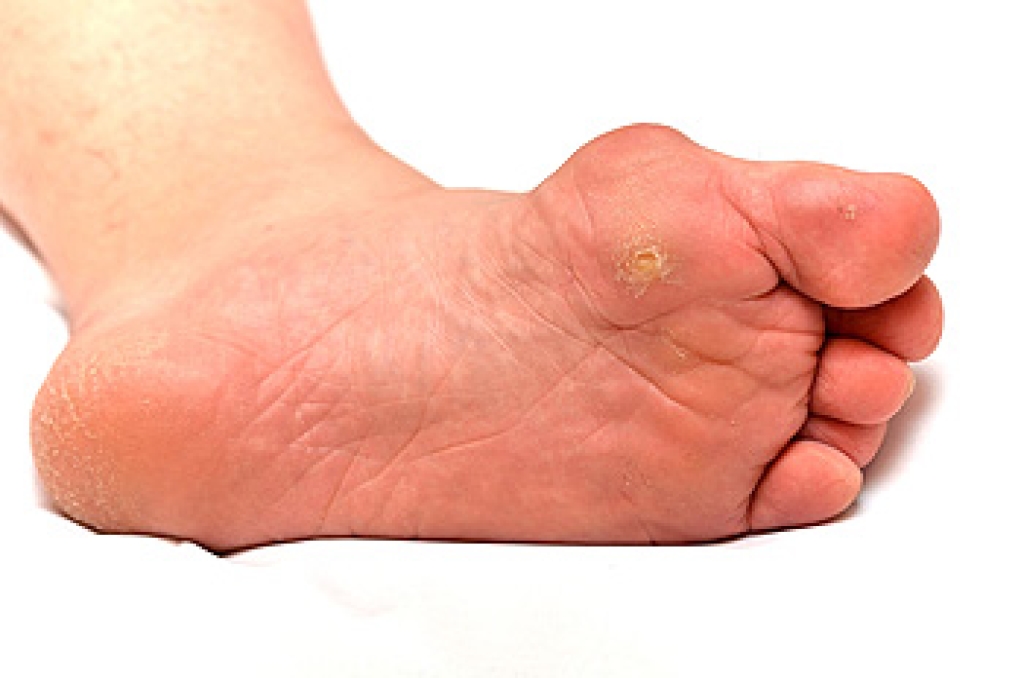
Plantar Warts Can Be Treated!

Plantar warts are small growths that develop on parts of the feet that bear weight. They're typically found on the bottom of the foot. Don't live with plantar warts, and call us today!

Which Foot Conditions May Increase the Risk of Falling?

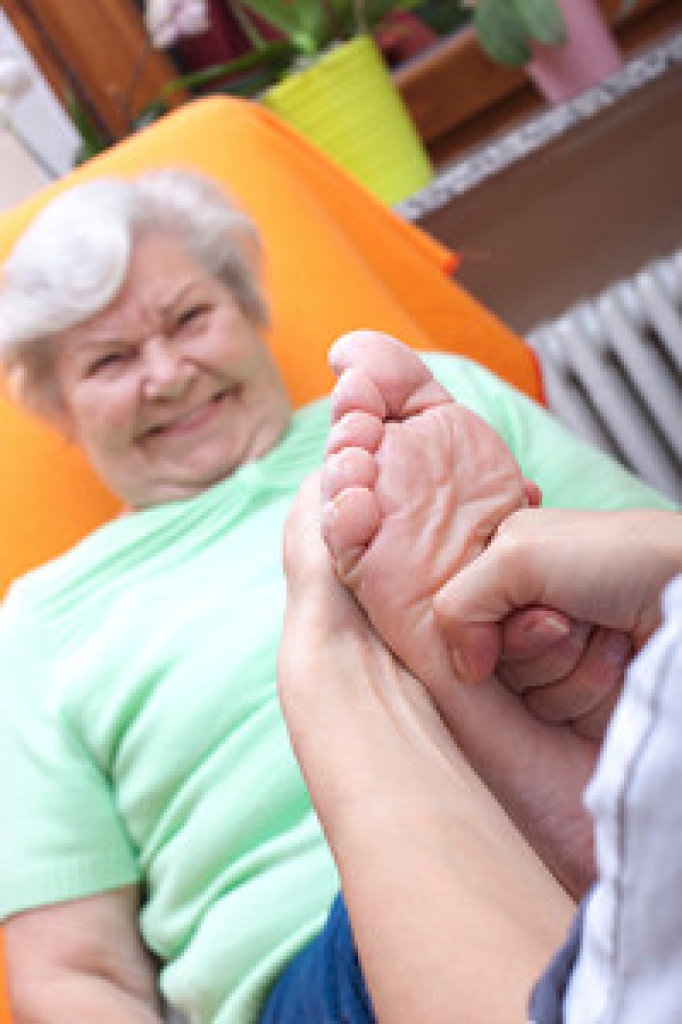
The feet are often considered to be the foundation of the body. However, as we age, we become more vulnerable to developing painful foot conditions. Some of the most common foot complications elderly patients can experience include the formation of corns or calluses, toenail disorders, bunions, hammertoes, poor circulation, and a lack of fat in the pads of the feet. Systemic disorders such as diabetes, osteoarthritis, and rheumatoid arthritis may also increase the risk of developing a foot condition. To help care for elderly feet, it’s important that you perform daily checks for any abnormalities or deformities of the feet. Completing these daily checks may also help reduce the risk of falling. To avoid the risk of getting an infection, the feet should be regularly washed and dried. The nails should be properly trimmed, straight across and not too short, and comfortable and supportive footwear should be worn.  If you would like more tips on maintaining the health of elderly feet, it’s suggested that you speak with a podiatrist for professional care.

Proper foot care is something many older adults forget to consider. If you have any concerns about your feet and ankles, contact James P. Huish, DPM from Arizona. Our doctors can provide the care you need to keep you pain-free and on your feet.

The Elderly and Their Feet

As we age we start to notice many changes in our body, but the elder population may not notice them right away. Medical conditions may prevent the elderly to take notice of their foot health right away. Poor vision is a lead contributor to not taking action for the elderly.

Common Conditions 

  • Neuropathy – can reduce feeling in the feet and can hide many life-threatening medical conditions.
  • Reduced flexibility – prevents the ability of proper toenail trimming, and foot cleaning. If left untreated, it may lead to further medical issues.
  • Foot sores – amongst the older population can be serious before they are discovered. Some of the problematic conditions they may face are:
  • Gouging toenails affecting nearby toe
  • Shoes that don’t fit properly
  • Pressure sores
  • Loss of circulation in legs & feet
  • Edema & swelling of feet and ankles

Susceptible Infections

Diabetes and poor circulation can cause general loss of sensitivity over the years, turning a simple cut into a serious issue.

If you have any questions, please feel free to contact our office located in Safford and Sierra Vista, AZ . We offer the newest diagnostic and treatment technologies for all your foot care needs.
Read more about Taking Care of Elderly Feet

Different Types of Running Shoes

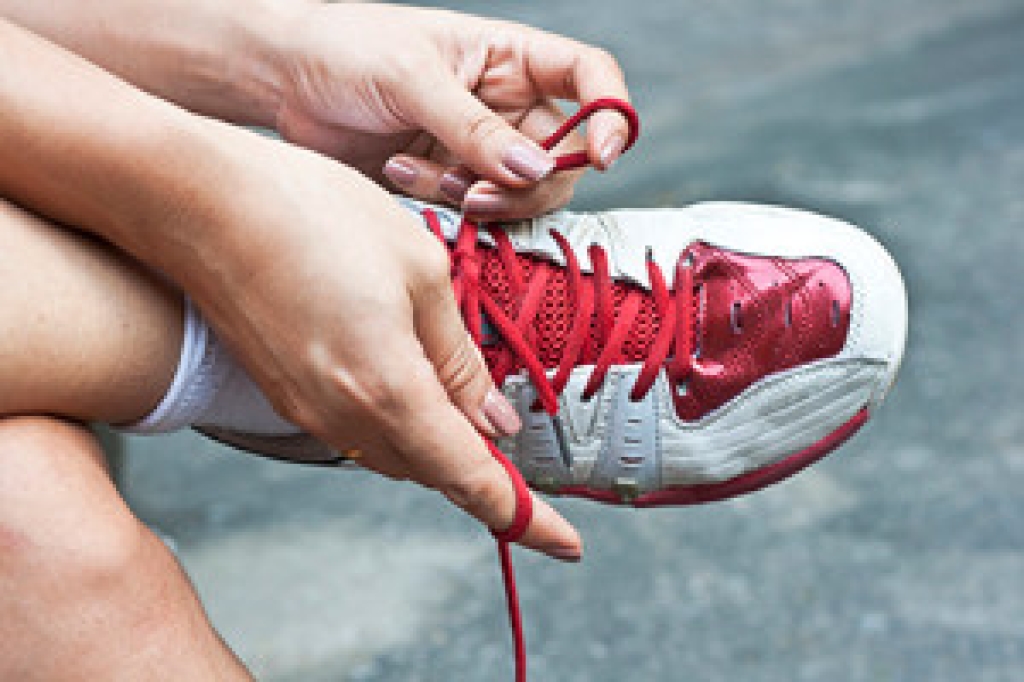
Research has indicated that wearing the right type of running shoes for your preferred style of running can provide the necessary stability for the overall body. It is helpful to decide which type of running will be practiced. People who enjoy running on roads or tracks typically choose a shoe that is made of lightweight and flexible materials, in addition to having smooth soles. Trail-running shoes are constructed with cleats on the outside of the sole, as this helps to maintain a stronger grip on uneven surfaces. When purchasing running shoes, it is suggested that the top of the shoe is similar to the shape of your foot. This can reduce excessive friction, and may help to prevent blisters from forming. If you are interested in purchasing running shoes, it is advised that you speak with a podiatrist who can help you to make the correct choice.

If you are a runner, wearing the right running shoe is essential. For more information, contact James P. Huish, DPM from Arizona. Our doctors can provide the care you need to keep you pain-free and on your feet.

Choosing the Right Running Shoe for Your Foot Type

To increase performance and avoid the risk of injury, it is important to choose the right running shoe based on your foot type. The general design of running shoes revolves around pronation, which is how the ankle rolls from outside to inside when the foot strikes the ground.

  • Neutral runners are able to choose from a wide variety of shoes, including minimalist shoes or even going barefoot.
  • Runners who overpronate, or experience an over-abundance of ankle rolling, should choose shoes that provide extra motion control and stability.
  • Runners who underpronate, or supinate, have feet that have high arches and lack flexibility, preventing shock absorption. They require shoes with more flexibility and cushion.

If you have any questions, please feel free to contact our office located in Safford and Sierra Vista, AZ . We offer the newest diagnostic and treatment technologies for all your foot care needs.
Read more about Choosing the Right Running Shoe for Your Foot Type

Connect With Us

scroll-to-top