
Simple Exercises to Keep Aging Feet Strong

Maintaining foot strength and flexibility becomes increasingly important with age, as it helps support balance, mobility, and overall comfort. Regular movement encourages circulation, reduces stiffness, and can lower the risk of common issues associated with conditions like osteoarthritis. Walking is one of the easiest and most effective activities, promoting blood flow and keeping joints active without excessive strain. Heel and toe lifts are another helpful exercise to strengthen the muscles in the feet and lower legs while improving stability when standing or moving. Ankle pumps, performed by gently flexing and pointing the feet, can enhance circulation and reduce swelling, especially after long periods of sitting. Incorporating these simple exercises into a daily routine can support healthier, more resilient feet, and help maintain independence and comfort over time. If you experience ongoing discomfort or mobility issues, it is suggested that you consult a podiatrist for personalized guidance and care.

While poor circulation itself isn’t a condition; it is a symptom of another underlying health condition you may have. If you have any concerns with poor circulation in your feet contact James P. Huish, DPM of Arizona. Our doctors will treat your foot and ankle needs.

Poor Circulation in the Feet

Peripheral artery disease (PAD) can potentially lead to poor circulation in the lower extremities. PAD is a condition that causes the blood vessels and arteries to narrow. In a linked condition called atherosclerosis, the arteries stiffen up due to a buildup of plaque in the arteries and blood vessels. These two conditions can cause a decrease in the amount of blood that flows to your extremities, therefore resulting in pain.

Symptoms

Some of the most common symptoms of poor circulation are:

  • Numbness
  • Tingling
  • Throbbing or stinging pain in limbs
  • Pain
  • Muscle Cramps

Treatment for poor circulation often depends on the underlying condition that causes it. Methods for treatment may include insulin for diabetes, special exercise programs, surgery for varicose veins, or compression socks for swollen legs.

As always, see a podiatrist as he or she will assist in finding a regimen that suits you. A podiatrist can also prescribe you any needed medication. 

If you have any questions, please feel free to contact our office located in Safford and Sierra Vista, AZ . We offer the newest diagnostic and treatment technologies for all your foot care needs.
Read more about Causes Symptoms and Treatment for Poor Circulation in the Feet

Clubfoot and Early Treatment for Healthy Development

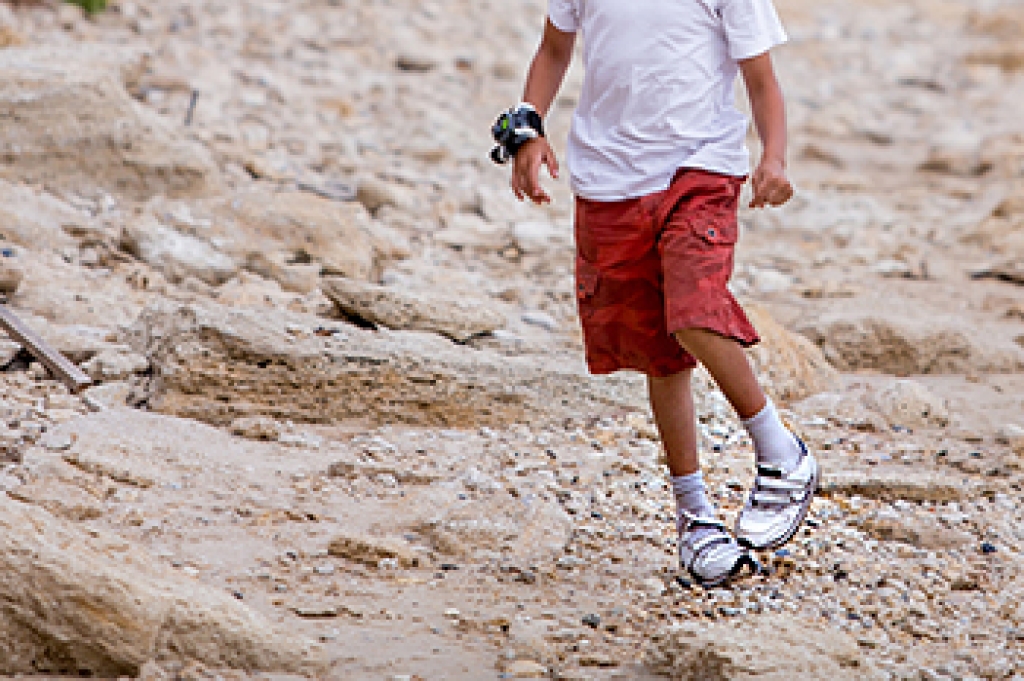
Clubfoot is a congenital condition in which a baby’s foot is twisted out of its normal position, often turning inward and downward. The exact cause is not always known, but it may be related to genetic and environmental factors that affect development before birth. It is typically diagnosed at birth through a physical examination, and sometimes confirmed with imaging. Symptoms include limited range of motion, abnormal foot shape, and difficulty placing the foot flat. The Ponsetti method is a common and effective treatment that involves gentle stretching, casting, and bracing to gradually correct alignment. Risk factors include family history and certain developmental conditions. A podiatrist can help monitor progress and guide care. If your baby shows signs of clubfoot, it is strongly suggested that you include a podiatrist on your health care team to ensure proper development. 

Congenital foot problems require immediate attention to avoid future complications. If you have any concerns, contact James P. Huish, DPM of Arizona. Our doctors can provide the care you need to keep you pain-free and on your feet.

Congenital foot problems are deformities affecting the feet, toes, and/or ankles that children are born with. Some of these conditions have a genetic cause while others just happen. Some specific foot ailments that children may be born with include clubfeet, polydactyly/macrodactyly, and cleft foot. There are several other foot anomalies that can occur congenitally. What all of these conditions have in common is that a child may experience difficulty walking or performing everyday activities, as well as trouble finding footwear that fits their foot deformity. Some of these conditions are more serious than others. Consulting with a podiatrist as early as possible will help in properly diagnosing a child’s foot condition while getting the necessary treatment underway.

What are Causes of Congenital Foot Problem?

A congenital foot problem is one that happens to a child at birth. These conditions can be caused by a genetic predisposition, developmental or positional abnormalities during gestation, or with no known cause.

What are Symptoms of Congenital Foot Problems?

Symptoms vary by the congenital condition. Symptoms may consist of the following:

  • Clubfoot, where tendons are shortened, bones are shaped differently, and the Achilles tendon is tight, causing the foot to point in and down. It is also possible for the soles of the feet to face each other.
  • Polydactyly, which usually consists of a nubbin or small lump of tissue without a bone, a toe that is partially formed but has no joints, or an extra toe.
  • Vertical talus, where the talus bone forms in the wrong position causing other bones in the foot to line up improperly, the front of the foot to point up, and the bottom of the foot to stiffen, with no arch, and to curve out.
  • Tarsal coalition, when there is an abnormal connection of two or more bones in the foot leading to severe, rigid flatfoot.
  • Cleft foot, where there are missing toes, a V-shaped cleft, and other anatomical differences.
  • Macrodactyly, when the toes are abnormally large due to overgrowth of the underlying bone or soft tissue.

Treatment and Prevention

While there is nothing one can do to prevent congenital foot problems, raising awareness and receiving neonatal screenings are important. Early detection by taking your child to a podiatrist leads to the best outcome possible.

If you have any questions, please feel free to contact our office located in Safford and Sierra Vista, AZ . We offer the newest diagnostic and treatment technologies for all your foot care needs.
Read more about Congenital Foot Problems

How Podiatric Care Supports Limb Salvage

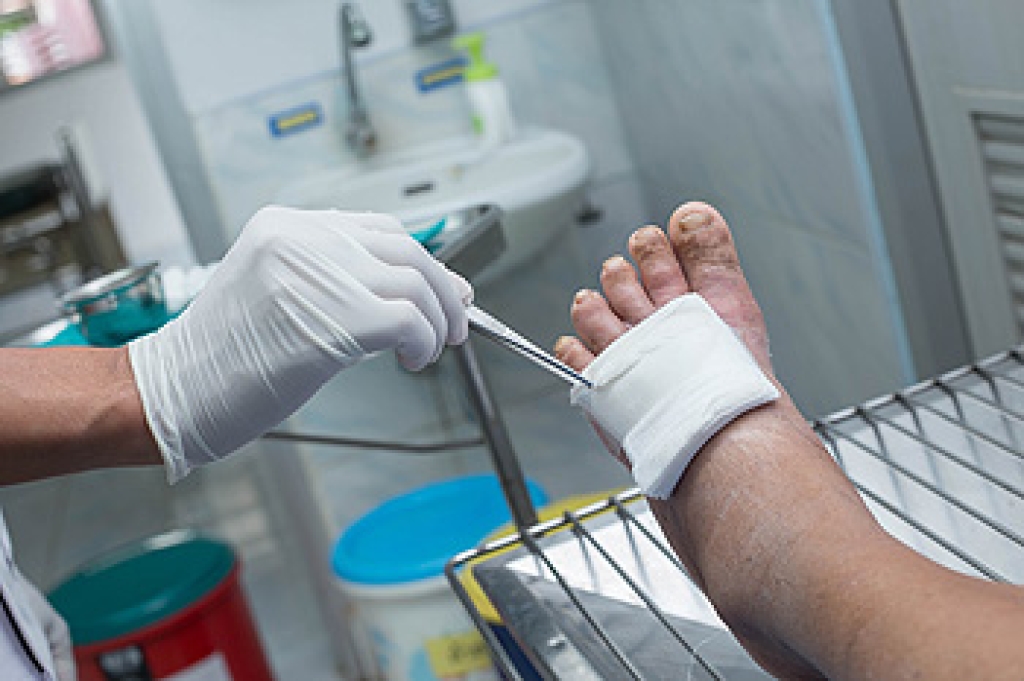
Limb salvage focuses on preserving a foot or leg when serious conditions threaten tissue health and function. Podiatric care plays a key role in this process, especially for individuals with diabetes, poor circulation, or chronic wounds. Early evaluation allows problems such as ulcers, infection, or pressure-related damage to be identified before they worsen. Treatment may include wound care, pressure relief, infection control, and improving blood flow, when possible. Careful monitoring and regular follow-up help track healing and prevent complications. In some cases, surgical procedures are used to remove damaged tissue or correct deformities that place the limb at risk. Education is also important, as patients need to learn how to protect their feet and recognize early warning signs. With a coordinated approach, many limbs can be preserved and function maintained. If you have a non-healing foot wound or signs of infection, it is suggested that you see a podiatrist for a proper diagnosis and appropriate treatment.

Diabetic Limb Salvage

Diabetic limb salvage can be an effective way in preventing the need for limb amputation. If you have a foot ulcer and diabetes, consult with James P. Huish, DPM from Arizona. Our doctors will assess your condition and provide you with quality foot and ankle treatment.

What Is Diabetic Limb Salvage?

Diabetic limb salvage is the attempt of saving a limb, such as the foot, that has an infected ulcer, from amputation. Podiatrists also try to make sure that there is enough function in the foot after the salvage that it is still usable. Those with diabetes experience poor blood circulation, which prevents proper healing of an ulcer. If the ulcer is left uncheck, it could become infected, which could result in the need for amputation.

Diabetes is the number one cause of non-traumatic amputations in the United States. Amputation has been found to lead to higher mortality rates. This translates into higher healthcare costs, and a reduced quality of life and mobility for amputees. Podiatrists have attempted to increase the prevalence of limb salvage in an attempt to solve these issues.

Diagnosis and Treatment

Limb salvage teams have grown in recent years that utilize a number of different treatments to save the infected limb. This includes podiatrists that specialize in wound care, rehabilitation, orthotics, and surgery. Through a combination of these methods, limb salvage has been found to be an effective treatment for infected limbs, and as an alternative to amputation. Podiatrists will first evaluate the potential for limb salvage and determine if the limb can be saved or must be amputated. 

If you have any questions, please feel free to contact our office located in Safford and Sierra Vista, AZ . We offer the newest diagnostic and treatment technologies for all your foot care needs.

Read more about Diabetic Limb Salvage

Causes of Achilles Tendonitis

Achilles tendonitis causes pain and swelling in the tendon at the back of the heel. The Achilles tendon is a strong cord that connects the calf muscles to the heel bone. It can become irritated when it is overused or placed under too much stress. This might result from starting a new training program or attempting to resume a normal activity level after an injury. As calf muscles tighten they can increase tension on the tendon and lead to small tears in its fibers. Certain shoes also can contribute to Achilles tendonitis. Age, weight, and certain health conditions may further increase the risk. Pain may occur in the middle of the tendon or where it attaches to the heel. A podiatrist can identify the cause, evaluate movement, and provide treatment to reduce strain. If you are experiencing Achilles tendon pain, it is suggested that you make an appointment with a podiatrist for an exam, diagnosis, and treatment.

Achilles tendon injuries need immediate attention to avoid future complications. If you have any concerns, contact James P. Huish, DPM of Arizona. Our doctors can provide the care you need to keep you pain-free and on your feet.

What Is the Achilles Tendon?

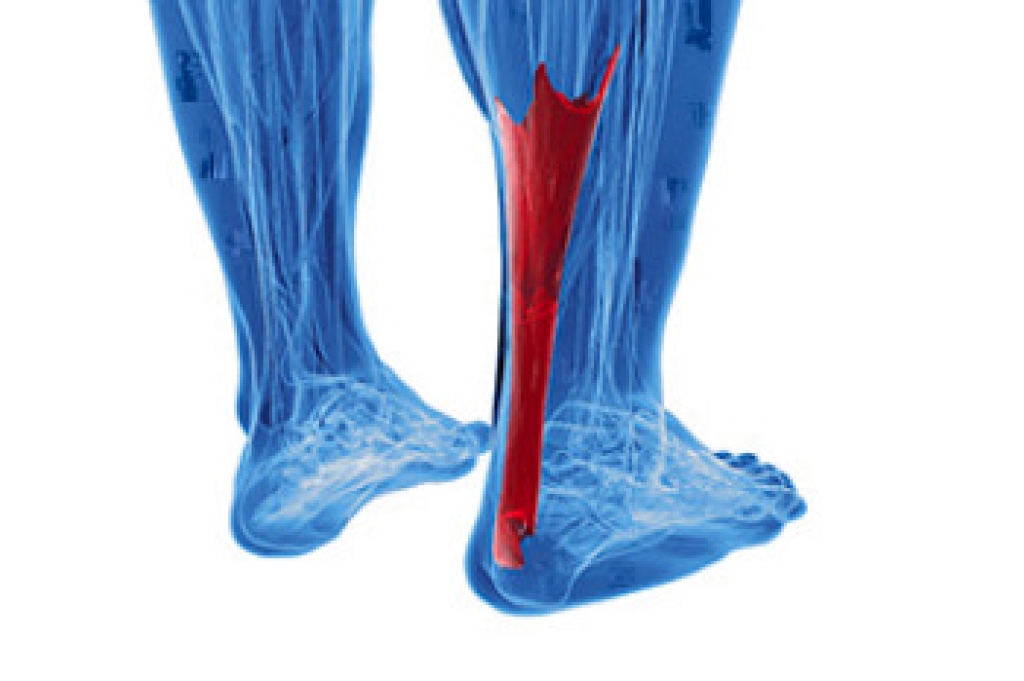
The Achilles tendon is a tendon that connects the lower leg muscles and calf to the heel of the foot. It is the strongest tendon in the human body and is essential for making movement possible. Because this tendon is such an integral part of the body, any injuries to it can create immense difficulties and should immediately be presented to a doctor.

What Are the Symptoms of an Achilles Tendon Injury?

There are various types of injuries that can affect the Achilles tendon. The two most common injuries are Achilles tendinitis and ruptures of the tendon.

Achilles Tendinitis Symptoms

  • Inflammation
  • Dull to severe pain
  • Increased blood flow to the tendon
  • Thickening of the tendon

Rupture Symptoms

  • Extreme pain and swelling in the foot
  • Total immobility

Treatment and Prevention

Achilles tendon injuries are diagnosed by a thorough physical evaluation, which can include an MRI. Treatment involves rest, physical therapy, and in some cases, surgery. However, various preventative measures can be taken to avoid these injuries, such as:

  • Thorough stretching of the tendon before and after exercise
  • Strengthening exercises like calf raises, squats, leg curls, leg extensions, leg raises, lunges, and leg presses

If you have any questions please feel free to contact our office located in Safford and Sierra Vista, AZ . We offer the newest diagnostic tools and technology to treat your foot and ankle needs.

Read more about The Causes, Types, and Treatments of Achilles Tendon Injuries

Are You Suffering From Ingrown Toenails?

If left untreated, an ingrown toenail can lead to more serious concerns, such as an infection. Knowing proper nail care can help in the prevention of an ingrown toenail. Give us a call, and get treated!

Connect With Us

scroll-to-top