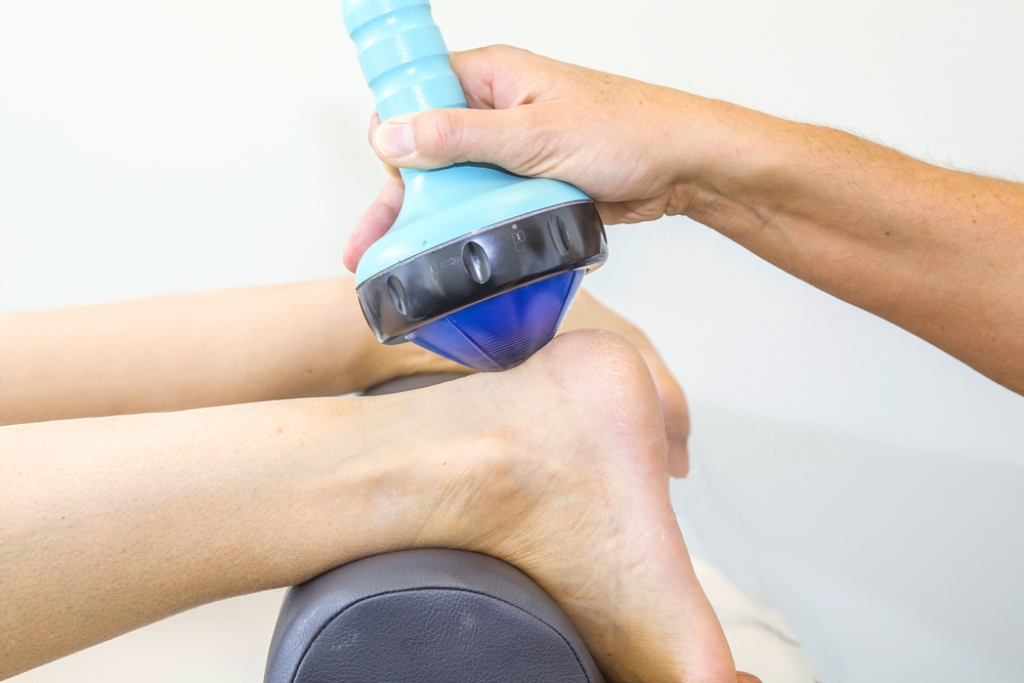
Treating Plantar Fasciitis with Shockwave Therapy

Plantar fasciitis is a common foot condition that affects the heel and causes striking pain outward. This condition occurs when the connective tissue, plantar fascia, which runs along the underside of the foot, is injured or inflamed. It is most common in those who participate in activities like running that cause repetitive impact on the feet. Most of the time it can be treated with simple remedies that do not require surgery, but some severe cases require further action. Surgery is rare, but can be invasive, so many doctors are turning to alternative therapies. Shockwave therapy helps to trigger the repair and regrowth of the injured nerve. The plantar fascia is located in an area of the foot that does not receive much blood flow, which impedes on the its ability to heal itself. Shockwave therapy helps to pull blood to the plantar fascia to facilitate repairing the nerve. If you have plantar fasciitis, it is highly recommended to speak with a podiatrist about your treatment options.

Shockwave therapy is a treatment commonly used to treat various injuries and conditions, particularly plantar fasciitis in the feet. To learn more, consult with James P. Huish, DPM from Arizona. Our doctors can provide the care you need to keep you pain-free and on your feet.

Shockwave Therapy

Shockwave therapy is a new treatment option designed to treat bone conditions such as tennis elbow, shoulder pain, and others. Shockwave therapy uses high intensity sound waves that are directed to the affected tissues of the body with pinpoint accuracy. The effects are very beneficial, leading to a production of collagen fibers, eliminating inflammation.

Who Benefits from Shockwave?

Shockwave is recommended for patients suffering from heel pain and associated problems. Heel pain is a common condition which can be caused by obesity, overexertion, and spending a substantial amount of time on hard floors with your feet exposed and unsupported.

Fast and Easy

The therapy is actually a simple process that can leave patients feeling better the very next day. Shockwave therapy is not as dramatic as it sounds. It enables more blood flow to effected areas, addressing the source of the problem and allowing treatment to last for a long time.

Treatment & Recovery Time

Shockwave treatment will enable your feet to recover quickly. This is especially important since surgery is not required. It is cost effective and does not require the use of anesthesia. This treatment is a better option to surgery, since it is proven safe.

If you have any questions, please feel free to contact our office located in Safford and Sierra Vista, AZ . We offer the newest diagnostic and treatment technologies for all your foot care needs.

Read more about Treating Heel Pain with Shockwave Therapy

Helping Your Child with Sever’s Disease

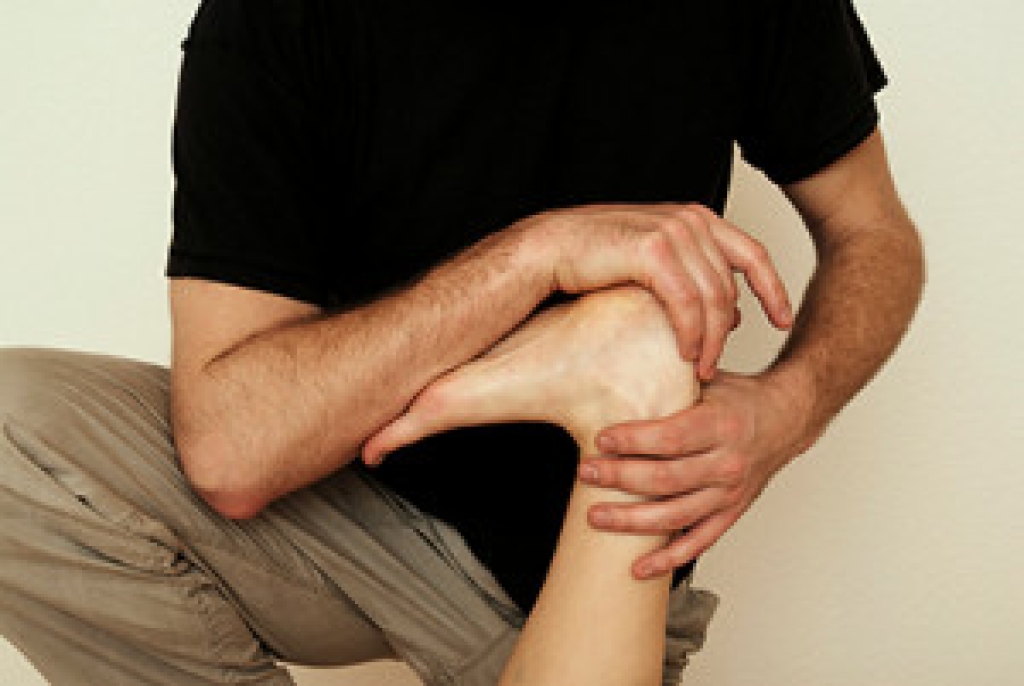
Sever’s disease is a common ailment that many younger children face. It affects open growth plates in the heel of the foot and usually strikes between the ages of 8 and 14, but the development can vary depending on the child. Some symptoms to look for are foot or heel pain and difficulty in walking. Some children only feel slight discomfort while others may develop a limp due to intense pain. Sports are one of the main causes for this disease, because frequent physical activity irritates the growth plate. Oftentimes, participating in sports year-round will trigger this discomfort, because the growing bones don’t have time to fully recover. Sometimes all the foot needs is a break from physical activity to heal itself. If you think your child may be suffering from Sever’s disease, it is strongly recommended that you consult with a podiatrist in order to properly treat their pain.

Sever's disease often occurs in children and teens. If your child is experiencing foot or ankle pain, see James P. Huish, DPM from Arizona. Our doctors can treat your child’s foot and ankle needs.

Sever’s Disease

Sever’s disease is also known as calcaneal apophysitis, which is a medical condition that causes heel pain I none or both feet. The disease is known to affect children between the ages of 8 and 14.

Sever’s disease occurs when part of the child’s heel known as the growth plate (calcaneal epiphysis) is attached to the Achilles tendon. This area can suffer injury when the muscles and tendons of the growing foot do not keep pace with bone growth. Therefore, the constant pain which one experiences at the back of the heel will make the child unable to put any weight on the heel. The child is then forced to walk on their toes.

Symptoms

Acute pain – Pain associated with Sever’s disease is usually felt in the heel when the child engages in physical activity such as walking, jumping and or running.

Highly active – Children who are very active are among the most susceptible in experiencing Sever’s disease, because of the stress and tension placed on their feet.

If you have any questions, please feel free to contact our office located in Safford and Sierra Vista, AZ . We offer the newest diagnostic and treatment technologies for all your foot care needs.
Read more about Sever's Disease

Symptoms of Poor Circulation in the Feet

The circulatory system plays an important role in carrying nutrients and oxygen throughout the body, and poor circulation can be detrimental to a patient’s health. If you have this ailment, you may experience symptoms including a numbing sensation in your feet, memory loss, a tired feeling for most of the day, or a weakened immune system, which may be responsible for continued sickness. Additionally, some patients notice their skin and hair becoming brittle and dry, or dark circles may develop under the eyes. In severe cases where poor circulation has affected the patient for an extended period, the feet may become swollen, and this may be a result of nutrient imbalances. If you feel you have this condition, it is strongly suggested to consult with a podiatrist who can determine the cause and offer proper treatment guidance.

While poor circulation itself isn’t a condition; it is a symptom of another underlying health condition you may have. If you have any concerns with poor circulation in your feet contact James P. Huish, DPM of Arizona. Our doctors will treat your foot and ankle needs.

Poor Circulation in the Feet

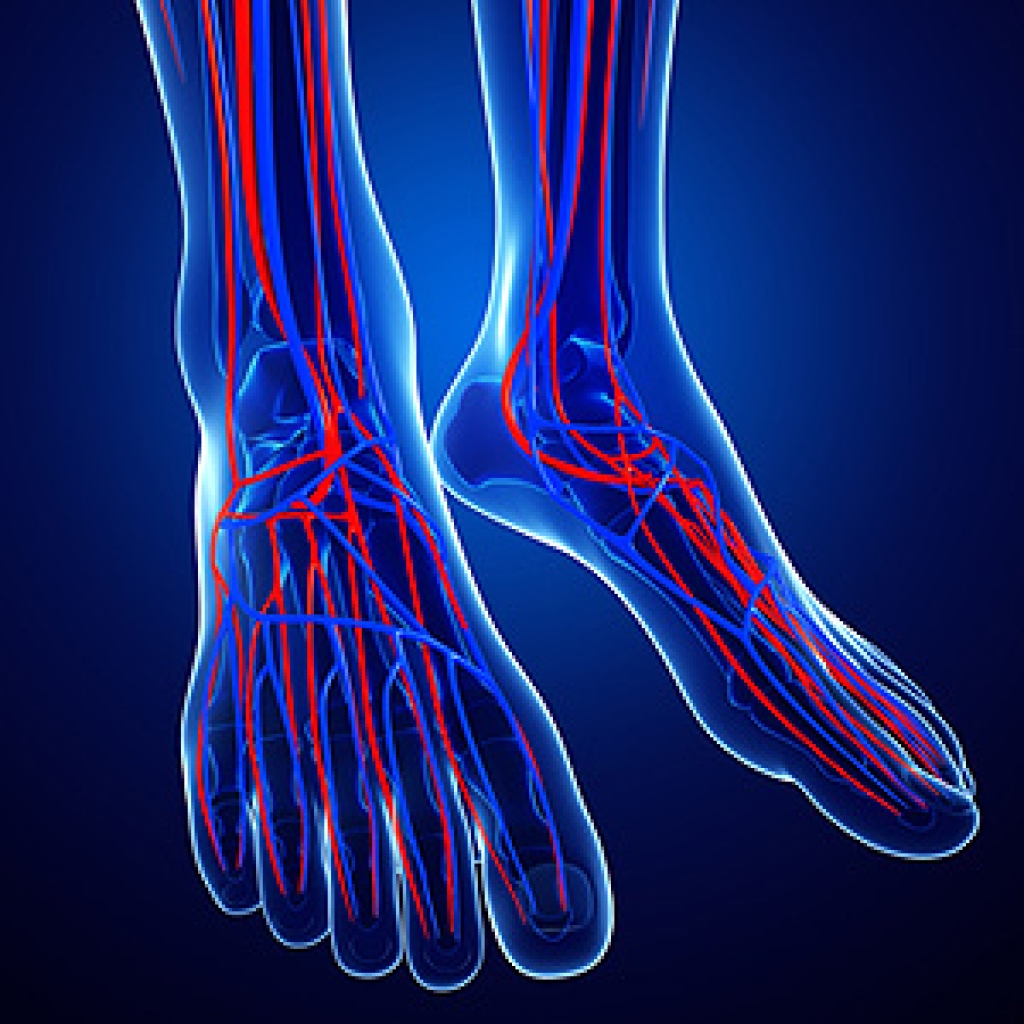
Peripheral artery disease (PAD) can potentially lead to poor circulation in the lower extremities. PAD is a condition that causes the blood vessels and arteries to narrow. In a linked condition called atherosclerosis, the arteries stiffen up due to a buildup of plaque in the arteries and blood vessels. These two conditions can cause a decrease in the amount of blood that flows to your extremities, therefore resulting in pain.

Symptoms

Some of the most common symptoms of poor circulation are:

  • Numbness
  • Tingling
  • Throbbing or stinging pain in limbs
  • Pain
  • Muscle Cramps

Treatment for poor circulation often depends on the underlying condition that causes it. Methods for treatment may include insulin for diabetes, special exercise programs, surgery for varicose veins, or compression socks for swollen legs.

As always, see a podiatrist as he or she will assist in finding a regimen that suits you. A podiatrist can also prescribe you any needed medication. 

If you have any questions, please feel free to contact our office located in Safford and Sierra Vista, AZ . We offer the newest diagnostic and treatment technologies for all your foot care needs.
Read more about Causes Symptoms and Treatment for Poor Circulation in the Feet

Different Types of Running Shoes

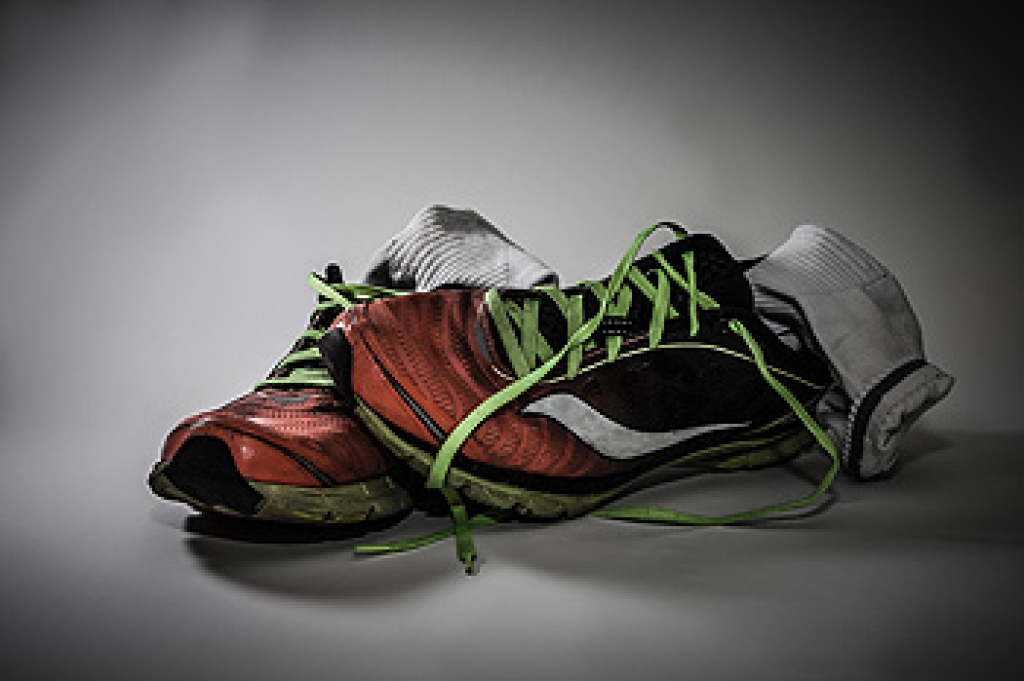
Choosing the correct running shoe is crucial in protecting the feet while pursuing an active hobby or sport. One of the first things to do is to determine what type of running style you intend to pursue, as this can aid in selecting the shoes that are most comfortable and supportive for you. There are shoes specifically designed for different types of running, and these can include jogging on hard surfaces, running on trails, which may have rocks and other obstacles, or running where balance is required. Research has shown that it may be beneficial to recognize any patterns in how the shoes are wearing. This may be helpful in determining which type of shoe is best for you. If you would like additional information on how to choose a running shoe that is right for your feet and needs, speak to a podiatrist who can properly guide you.

You should always make sure your running shoes fit properly in order to avoid injury. For more information, contact James P. Huish, DPM from Arizona. Our doctors can provide the care you need to keep you pain-free and on your feet.

Choosing the Right Running Shoe for Your Foot Type

Improper shoe sizing can cause a myriad of problems for your feet. Shoes that don’t fit you properly can lead to muscular imbalances in your body, which can result in foot, knee, and hip injuries.

Tips for Finding the Right Running Shoe

  • Make sure you have a thumb’s width of wiggle room between the end of your longest toe and the front of the shoe.
  • There should be little to no slipping at the heel
  • Don’t assume your size in one shoe brand will be your size in another
  • Do not lace up your shoes too tightly
  • Walk around in the store with your new shoes before you buy them

If you have any questions, please feel free to contact our office located in Safford and Sierra Vista, AZ . We offer the newest diagnostic and treatment technologies for all your foot care needs.

Read more about Choosing the Right Running Shoe

Specific Foot Stretches May Help Plantar Fasciitis

A common foot condition that is known as plantar fasciitis may produce severe pain and discomfort in some patients. It is defined as an inflammation of the plantar fascia and this is the tissue that is located on the bottom of the foot and connects the heel to the toes. The pain is generally felt in the heel of the foot, and it may tend to make daily activities that require mobility difficult to perform. Research has shown calf muscles, which are tight may possibly contribute to the discomfort plantar fasciitis may generate. There are specific stretches that can be practiced, which may aid in achieving a moderate level of relief. These may include standing with your palms flat against a wall while bending one leg forward and keeping the other leg straight while the the heel lies flat on the floor. This stretch can be held for several seconds, then repeated on the opposite side. Additionally, the plantar fascia may be adequately stretched while rolling your foot on a tennis ball, a foam roller, or a frozen water bottle. If you are afflicted with plantar fasciitis, it is advised to seek the counsel of a podiatrist who can properly treat this condition.

Stretching the feet is a great way to prevent injuries. If you have any concerns with your feet consult with James P. Huish, DPM from Arizona. Our doctors will assess your condition and provide you with quality foot and ankle treatment.

Stretching the Feet

Stretching the muscles in the foot is an important part in any physical activity. Feet that are tight can lead to less flexibility and make you more prone to injury. One of the most common forms of foot pain, plantar fasciitis, can be stretched out to help ease the pain. Stretching can not only ease pain from plantar fasciitis but also prevent it as well. However, it is important to see a podiatrist first if stretching is right for you. Podiatrists can also recommend other ways to stretch your feet. Once you know whether stretching is right for you, here are some excellent stretches you can do.

  • Using a foam roller or any cylindrical object (a water bottle or soda can will do), roll the object under your foot back and forth. You should also exert pressure on the object. Be sure to do this to both feet for a minute. Do this exercise three times each.
  • Similar to the previous one, take a ball, such as a tennis ball, and roll it under your foot while seated and exert pressure on it.
  • Grab a resistance band or towel and take a seat. If you are using a towel, fold it length wise. Next put either one between the ball of your foot and heel and pull with both hands on each side towards you. Hold this for 15 seconds and then switch feet. Do this three times for each foot.
  • Finally hold your big toe while crossing one leg over the other. Pull the toe towards you and hold for 15 seconds. Once again do this three times per foot.

It is best to go easy when first stretching your foot and work your way up. If your foot starts hurting, stop exercising and ice and rest the foot. It is advised to then see a podiatrist for help.

If you have any questions please contact our office located in Safford and Sierra Vista, AZ . We offer the newest diagnostic and treatment technologies for all your foot and ankle needs.

Read more about How to Stretch Your Feet

Connect With Us

scroll-to-top