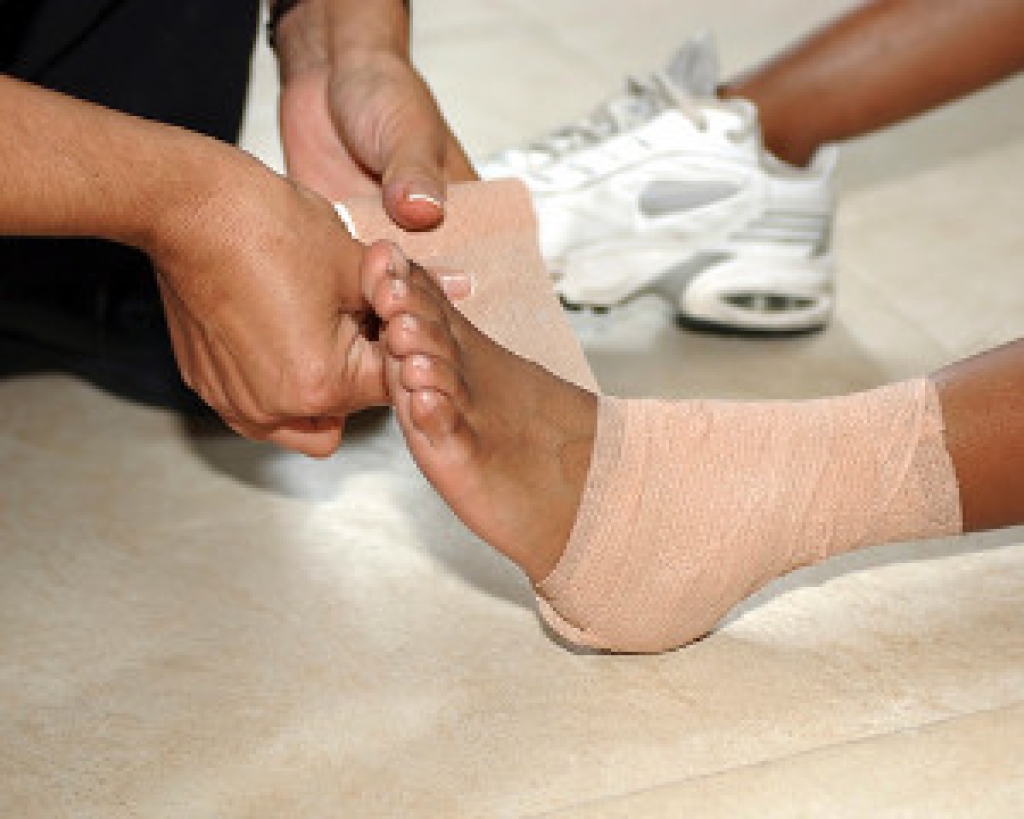
Why Does an Ankle Sprain Occur?

There are ligaments in the ankle that connect the feet to the bones. If one or more of these become stretched because of an injury, it may result in an ankle sprain. This can happen if the patient suddenly steps off of a curb, or falls from a loss of balance. There are noticeable symptoms that immediately appear if an ankle sprain has occurred. These can consist of severe pain, swelling, and it is often difficult to walk on. After a proper diagnosis is performed, which typically involves having an X-ray taken, the correct treatment can begin. This generally consists of wrapping the affected ankle in an elastic bandage, which may be helpful in providing the necessary support as the healing process takes place. It is suggested that the ankle is elevated as often as possible, as this may be beneficial in reducing a portion of the swelling. If you think you have sprained your ankle, please consult with a podiatrist as quickly as possible to begin treatment.

Although ankle sprains are common, they aren’t always minor injuries. If you need your ankle injury looked at, contact James P. Huish, DPM from Arizona. Our doctors can provide the care you need to keep you pain-free and on your feet.

How Does an Ankle Sprain Occur?

Ankle sprains are the result of a tear in the ligaments within the ankle. These injuries may happen when you make a rapid shifting movement while your foot is planted. A less common way to sprain your ankle is when your ankle rolls inward while your foot turns outward.

What Are the Symptoms?

  • Pain at the sight of the tear
  • Bruising/Swelling
  • Ankle area is tender to touch
  • In severe cases, may hear/feel something tear
  • Skin discoloration

Preventing a Sprain

  • Wearing appropriate shoes for the occasion
  • Stretching before exercises and sports
  • Knowing your limits

Treatment of a Sprain

In many cases, the RICE method (Rest, Ice, Compression, and Elevate) is used to treat ankle sprains. However, you should see a podiatrist to see which treatment option would work best with your injury. In severe cases, surgery may be required.

It is important to ask your doctor about rehab options after you receive treatment for your injury. Stretching, strength training, and balance exercises may help the ankle heal while also preventing further injury.

If you have any questions, please feel free to contact our office located in Safford and Sierra Vista, AZ . We offer the newest diagnostic and treatment technologies for all your foot care needs.


Read more about Ankle Sprains

Walking Patterns in Children

Children are often born with flat feet, as well as with generally more flexible feet. It can be beneficial to have them walk barefoot while indoors, as this can help to strengthen their feet. The feet may become stronger when the toes grasp the floor, which can be easily accomplished when shoes are not worn. Ideally, your child’s feet should be measured approximately every three months for the first few years, and every six months for children that are over the age of five. The arch will normally fully develop as walking and running are practiced. If this ceases to occur, this may indicate an underlying foot or bone structure condition. Additionally, if your child walks on their toes, or with their toes pointed inward or outward, it is strongly suggested that you seek the counsel of a podiatrist who can properly diagnose existing abnormal conditions.

The health of a child’s feet is vital to their overall well-being. If you have any questions regarding foot health, contact James P. Huish, DPM of Arizona. Our doctors can provide the care you need to keep you pain-free and on your feet.

Tips for Keeping Children's Feet Healthy

  • Make sure their shoes fit properly
  • Look for any signs of in-toeing or out-toeing
  • Check to see if they have Clubfoot (condition that affects your child’s foot and ankle, twisting the heel and toes inward) which is one of the most common nonmajor birth defects.
  • Lightly cover your baby’s feet (Tight covers may keep your baby from moving their feet freely, and could prevent normal development)
  • Allow your toddler to go shoeless (Shoes can be restricting for a young child’s foot)
  • Cut toenails straight across to avoid ingrown toenails
  • Keep your child’s foot clean and dry
  • Cover cuts and scrapes. Wash any scratches with soap and water and cover them with a bandage until they’ve healed.

If you have any questions, please feel free to contact our office located in Safford and Sierra Vista, AZ . We offer the newest diagnostic and treatment technologies for all your foot care needs.

Read more about What to Do to Keep Your Child’s Feet Healthy

Foot Pain May Be a Result of Certain Medical Conditions

Many patients will experience swollen ankles or swollen feet periodically throughout their lives. This can happen for a variety of reasons, including a possible injury, arthritic conditions, or medical issues that may involve the kidneys. The foot will swell immediately if it is sprained or broken, which may cause pain and discomfort. Swollen feet may be a common condition among patients who have heart ailments. When this occurs, fluid may collect in the feet and ankles. Gravity can cause this to become worse during the day, so it may help to elevate the feet as often as possible. The arthritic condition that is known as gout can cause extreme foot pain. It typically affects the big toe, and may cause pain that is so extreme, it can be difficult to touch the toe. If you have any type of foot pain, it is strongly advised that you speak with a podiatrist as quickly as possible so they can help you to feel better.

Foot Pain

Foot pain can be extremely painful and debilitating. If you have a foot pain, consult with James P. Huish, DPM from Arizona. Our doctors will assess your condition and provide you with quality foot and ankle treatment.

Causes

Foot pain is a very broad condition that could be caused by one or more ailments. The most common include:

  • Bunions
  • Hammertoes
  • Plantar Fasciitis
  • Bone Spurs
  • Corns
  • Tarsal Tunnel Syndrome
  • Ingrown Toenails
  • Arthritis (such as Gout, Rheumatoid, and Osteoarthritis)
  • Flat Feet
  • Injury (from stress fractures, broken toe, foot, ankle, Achilles tendon ruptures, and sprains)
  • And more

Diagnosis

To figure out the cause of foot pain, podiatrists utilize several different methods. This can range from simple visual inspections and sensation tests to X-rays and MRI scans. Prior medical history, family medical history, and any recent physical traumatic events will all be taken into consideration for a proper diagnosis.

Treatment

Treatment depends upon the cause of the foot pain. Whether it is resting, staying off the foot, or having surgery; podiatrists have a number of treatment options available for foot pain.

If you have any questions, please feel free to contact our office located in Safford and Sierra Vista, AZ . We offer the newest diagnostic and treatment technologies for all your foot care needs.
Read more about Foot Pain

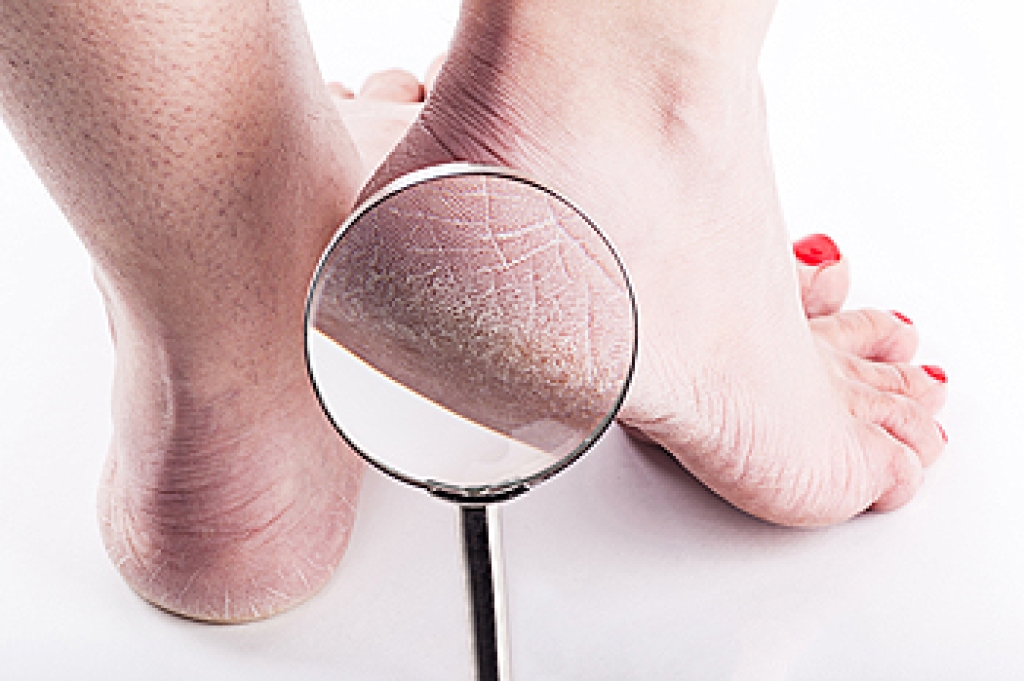
How Do Cracked Heels Develop?

When pressure is put onto the pad underneath the heel, and the skin of the heel lacks moisture, it’s very likely that the skin will expand and crack due to lack of elasticity. Many other factors can play a role in developing cracked heels besides a lack of moisture. Some of these reasons can include obesity, frequently wearing open-back shoes, and standing for longer periods of time, especially on hard flooring. Certain foot conditions may also increase your chances of having cracked heels. These conditions may consist of diabetes, flat feet, heel spurs, fungal infections, and athlete’s foot, to name a few. To help treat cracked heels, it may be beneficial to apply a moisturizer to the affected area immediately after taking a bath or shower. It’s important that you also be mindful in choosing which soap or body washes you use, making sure to avoid those that are harsh or scented. For more advice and for help on how to best treat your cracked heels, we recommend you consult with a podiatrist for professional care.

Cracked heels are unsightly and can cause further damage to your shoes and feet. If you have any concerns, contact James P. Huish, DPM from Arizona. Our doctors can provide the care you need to keep you pain-free and on your feet.

Cracked Heels

Cracked heels appear unappealing and can make it harder for you walk around in sandals. Aside from looking unpleasant, cracked heels can also tear stockings, socks, and wear out your shoes. There are several methods to help restore a cracked heel and prevent further damage.

How Do You Get Them?

Dry skin is the number one culprit in creating cracked heels. Many athletes, walkers, joggers, and even swimmers suffer from cracked heels. Age and skin oil production play a role to getting cracked heels as well.

Promote Healing

Over the counter medicines can help, especially for those that need instant relief or who suffer from chronic dry feet.

Wear Socks – Wearing socks with medicated creams helps lock in moisture.

Moisturizers – Applying both day and night will help alleviate dryness which causes cracking.

Pumice Stones – These exfoliate and remove dead skin, which allows for smoother moisturizer application and better absorption into the skin. 

Change in Diet

Eating healthy with a well-balanced diet will give the skin a fresh and radiant look. Your body responds to the kinds of food you ingest. Omega-3 fatty acids and zinc supplements can also revitalize skin tissue.

Most importantly, seek professional help if unsure how to proceed in treating cracked heels. A podiatrist will help you with any questions or information needed. 

If you have any questions, please feel free to contact our office located in Safford and Sierra Vista, AZ . We offer the newest diagnostic and treatment technologies for all your foot care needs.

Read more about Solutions for Cracked Heels

Connect With Us

scroll-to-top