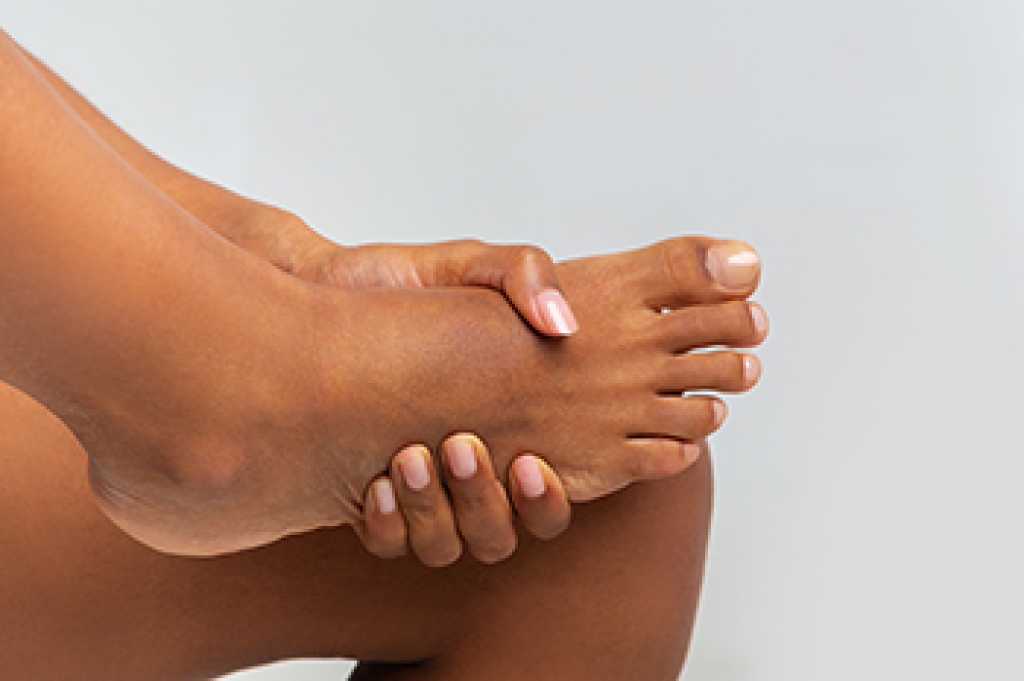
Athletes and Stress Fractures

A stress fracture is a common athletic injury. It often involves the long bones in the foot that are known as the metatarsal bones. When a stress fracture occurs, which is also referred to as a hairline fracture, it can cause pain and discomfort. It is often difficult to walk on the affected foot, and relief may come from elevating the foot. It can happen when runners increase their speed and distance too fast. Additionally, people who run for long distances at a time may experience a stress fracture. Wearing shoes that fit correctly may decrease the risk of getting this type of fracture. Some people have existing medical conditions that may increase the risk of getting a stress fracture. These can include osteoporosis, arthritis, diabetes, or a vitamin deficiency. A diagnosis is typically performed by having an X-ray taken, and then proper treatment measures are taken. If you feel you have a stress fracture, it is strongly suggested that you schedule an appointment with a podiatrist who can help you to manage this ailment.

Stress fractures occur when there is a tiny crack within a bone. To learn more, contact James P. Huish, DPM from Arizona. Our doctors can provide the care you need to keep you pain free and on your feet.

How Are They Caused?

Stress fractures are the result of repetitive force being placed on the bone. Since the lower leg and feet often carry most of the body’s weight, stress fractures are likely to occur in these areas. If you rush into a new exercise, you are more likely to develop a stress fracture since you are starting too much, too soon.  Pain resulting from stress fractures may go unnoticed at first, however it may start to worsen over time.

Risk Factors

  • Gender – They are more commonly found in women compared to men.
  • Foot Problems – People with unusual arches in their feet are more likely to develop stress fractures.
  • Certain Sports – Dancers, gymnasts, tennis players, runners, and basketball players are more likely to develop stress fractures.
  • Lack of Nutrients – A lack of vitamin D and calcium may weaken the bones and make you more prone to stress fractures
  • Weak Bones – Osteoporosis can weaken the bones therefore resulting in stress fractures

Stress fractures do not always heal properly, so it is important that you seek help from a podiatrist if you suspect you may have one. Ignoring your stress fracture may cause it to worsen, and you may develop chronic pain as well as additional fractures.

If you have any questions please contact our office located in Safford and Sierra Vista, AZ . We offer the newest diagnostic and treatment technologies for all your foot and ankle needs.


Read more about Dealing with Stress Fractures of the Foot and Ankle

Difficulty Walking and Gait Abnormality

Walking is an activity that as soon as we learn how to do it, we take it for granted. However, sometimes walking can become difficult because of age, illness, injury, or other factors. Symptoms that may develop are shooting pain, numbness and tingling, stiffness, imbalance, weakness, and limping. Types of gait abnormalities include walking with your head and neck pushed forward, walking with legs bent inward, dragging the feet while walking, waddling from side to side, and toes scraping the ground with each step. Among the many causes that can affect your gait are nerve damage, improper alignment of the body, lack of muscle strength and flexibility, inflammatory diseases and conditions, autoimmune deficiencies, injury, and stroke. If you notice an increased difficulty walking and are experiencing any of the symptoms listed above, please consult a podiatrist who can conduct a complete examination and offer an appropriate treatment plan. 

If you have any concerns about your feet, contact James P. Huish, DPM from Arizona. Our doctors can provide the care you need to keep you pain-free and on your feet.

Biomechanics in Podiatry

Podiatric biomechanics is a particular sector of specialty podiatry with licensed practitioners who are trained to diagnose and treat conditions affecting the foot, ankle and lower leg. Biomechanics deals with the forces that act against the body, causing an interference with the biological structures. It focuses on the movement of the ankle, the foot and the forces that interact with them.

A History of Biomechanics

  • Biomechanics dates back to the BC era in Egypt where evidence of professional foot care has been recorded.
  • In 1974, biomechanics gained a higher profile from the studies of Merton Root, who claimed that by changing or controlling the forces between the ankle and the foot, corrections or conditions could be implemented to gain strength and coordination in the area.

Modern technological improvements are based on past theories and therapeutic processes that provide a better understanding of podiatric concepts for biomechanics. Computers can provide accurate information about the forces and patterns of the feet and lower legs.

Understanding biomechanics of the feet can help improve and eliminate pain, stopping further stress to the foot.

If you have any questions please feel free to contact our office located in Safford and Sierra Vista, AZ . We offer the newest diagnostic and treatment technologies for all your foot and ankle needs.
Read more about The Importance of Biomechanics in Podiatry

Sweaty Sock Syndrome in Children

Some children develop sweaty sock syndrome which is also known as juvenile plantar dermatosis. Symptoms can include redness and scaly skin on the bottom of the feet. This condition is commonly seen in boys who are 4-8 years old, but it has also affected children who range from 3 to 15 years old. Juvenile plantar dermatosis can become chronic, sometimes lasting for about 3 years, but it generally dissipates as the child reaches puberty. Going from moist to dry conditions is thought to contribute to sweaty sock syndrome, but the actual cause is not clear. It is commonly noticed on the big toe, ball of the foot, and the heel as those places bear the most weight. The skin appears red, shiny, and smooth, but sometimes develops cracks. Home remedies suggest wearing breathable shoes, avoiding plastic or rubber footwear, and moisturizing the feet at night with petroleum jelly. If your child’s condition persists or worsens, please consult with a podiatrist who can better evaluate the problem and offer further treatment options. 

The health of a child’s feet is vital to their overall well-being. If you have any questions regarding foot health, contact James P. Huish, DPM of Arizona. Our doctors can provide the care you need to keep you pain-free and on your feet.

Tips for Keeping Children's Feet Healthy

  • Make sure their shoes fit properly
  • Look for any signs of in-toeing or out-toeing
  • Check to see if they have Clubfoot (condition that affects your child’s foot and ankle, twisting the heel and toes inward) which is one of the most common nonmajor birth defects.
  • Lightly cover your baby’s feet (Tight covers may keep your baby from moving their feet freely, and could prevent normal development)
  • Allow your toddler to go shoeless (Shoes can be restricting for a young child’s foot)
  • Cut toenails straight across to avoid ingrown toenails
  • Keep your child’s foot clean and dry
  • Cover cuts and scrapes. Wash any scratches with soap and water and cover them with a bandage until they’ve healed.

If you have any questions, please feel free to contact our office located in Safford and Sierra Vista, AZ . We offer the newest diagnostic and treatment technologies for all your foot care needs.

Read more about What to Do to Keep Your Child’s Feet Healthy

Foods and Exercises May Help Poor Circulation

It is common for diabetic patients to have poor circulation in their feet. This is often the result of elevated blood sugar levels. Neuropathy can accompany this. It can be difficult to feel cuts and wounds on the feet, and the blood vessels can diminish in size. There are several methods to help poor circulation in the feet. These can consist of getting regular foot examinations, monitoring glucose levels, and wearing diabetic socks. Research has indicated that performing specific exercises may improve circulation in the feet. Some exercises can include cardiovascular activity such as walking or biking for five days per week. Additionally, it is important to keep blood pressure at a normal level and refrain from walking barefoot. Foods that are rich in vitamin C may help to naturally thin the blood, and it may help to incorporate foods that are rich in fiber into your daily food plan. If your feet are affected by poor circulation, it is strongly suggested that you confer with a podiatrist who can help you to manage this condition. 

Poor circulation is a serious condition and needs immediate medical attention. If you have any concerns with poor circulation in your feet contact James P. Huish, DPM of Arizona. Our doctors will treat your foot and ankle needs.

Poor Circulation in the Feet

Poor blood circulation in the feet and legs is can be caused by peripheral artery disease (PAD), which is the result of a buildup of plaque in the arteries.

Plaque buildup or atherosclerosis results from excess calcium and cholesterol in the bloodstream. This can restrict the amount of blood which can flow through the arteries. Poor blood circulation in the feet and legs are sometimes caused by inflammation in the blood vessels, known as vasculitis.

Causes

Lack of oxygen and oxygen from poor blood circulation restricts muscle growth and development. It can also cause:

  • Muscle pain, stiffness, or weakness 
  • Numbness or cramping in the legs
  • Skin discoloration
  • Slower nail & hair growth
  • Erectile dysfunction

Those who have diabetes or smoke are at greatest risk for poor circulation, as are those who are over 50. If you have poor circulation in the feet and legs it may be caused by PAD and is important to make changes to your lifestyle in order to reduce risk of getting a heart attack or stroke. Exercise and maintaining a healthy lifestyle will dramatically improve conditions.

As always, see a podiatrist as he or she will assist in finding a regimen that suits you. A podiatrist can also prescribe you any needed medication. 

If you have any questions, please feel free to contact our office located in Safford and Sierra Vista, AZ . We offer the newest diagnostic and treatment technologies for all your foot care needs.

Read more about Causes, Symptoms, and Treatment of Poor Blood Circulation in the Feet

Wounds That Don't Heal Need to Be Checked

Your feet are covered most of the day. If you're diabetic, periodic screening is important for good health. Numbness is often a sign of diabetic foot and can mask a sore or wound.

Connect With Us

scroll-to-top