
Do I Have Gout, or Pseudogout?

Gout is a form of arthritis that often affects the joints of the feet and ankles. Gout is caused by a buildup of uric acid in the bloodstream forming crystals in the affected joint. This leads to symptoms such as sudden and severe pain, redness, swelling, and warmth in the joint. Pseudogout is a similar condition and can also affect the joints of the feet and ankles, causing severe pain. Unlike gout, however, pseudogout is caused by a buildup of calcium pyrophosphate crystals in the affected joint. It is important to get an accurate diagnosis for these conditions, as their treatments vary. A podiatrist can diagnose gout or pseudogout by performing a thorough physical examination, asking about your medical history, and taking a fluid sample from the affected joint to see if either uric acid or calcium pyrophosphate is present in the sample. Imaging studies, such as X-rays, ultrasounds, or CT scans may also be needed to get an accurate diagnosis. If you have symptoms of either of these conditions, it is recommended that you see a podiatrist as soon as possible. 


Gout is a foot condition that requires certain treatment and care. If you are seeking treatment, contact James P. Huish, DPM from Arizona. Our doctors will treat your foot and ankle needs.

What Is Gout?

Gout is a type of arthritis caused by a buildup of uric acid in the bloodstream. It often develops in the foot, especially the big toe area, although it can manifest in other parts of the body as well. Gout can make walking and standing very painful and is especially common in diabetics and the obese.

People typically get gout because of a poor diet. Genetic predisposition is also a factor. The children of parents who have had gout frequently have a chance of developing it themselves.

Gout can easily be identified by redness and inflammation of the big toe and the surrounding areas of the foot. Other symptoms include extreme fatigue, joint pain, and running high fevers. Sometimes corticosteroid drugs can be prescribed to treat gout, but the best way to combat this disease is to get more exercise and eat a better diet.

If you have any questions, please feel free to contact our office located in Safford and Sierra Vista, AZ . We offer the newest diagnostic and treatment technologies for all your foot care needs.
Read more about Gout

Plantar Fasciitis Stretching Tips


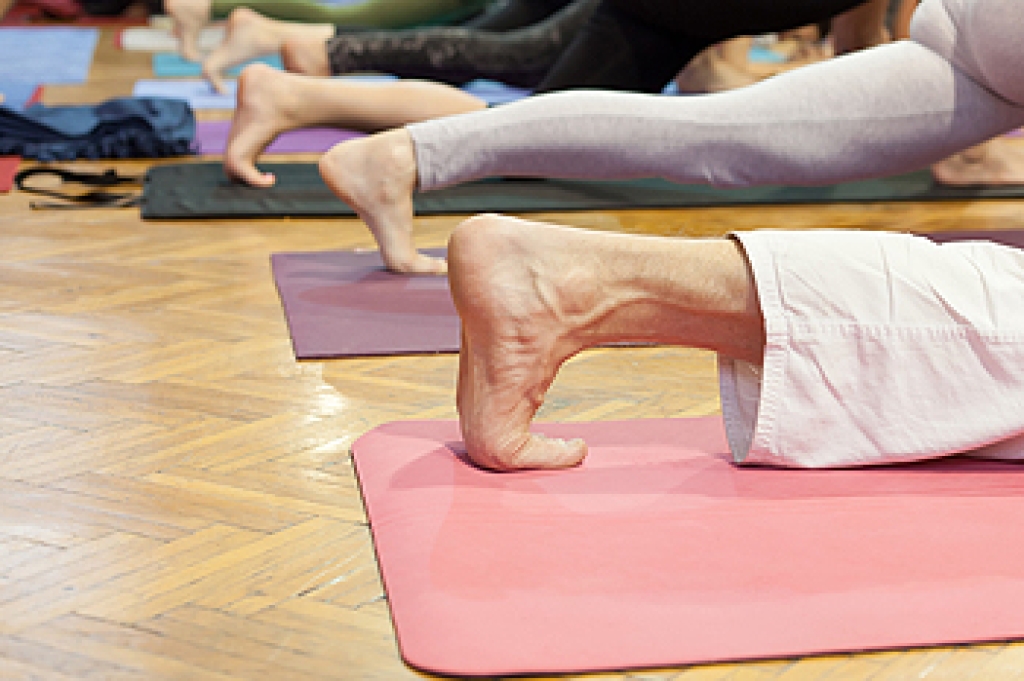
The plantar fascia is a portion of tissue that is found on the sole of the foot. Its function is to connect the heel to the toes, and it is instrumental in walking and completing daily activities. Plantar fasciitis occurs when this band of tissue becomes inflamed, causing difficulty walking, running, and doing other activities. There are simple stretches and exercises that may help to relieve part of the pain that often accompanies plantar fasciitis. Many patients find it helpful to stand on a step, and gently lower one heel at a time until a stretch is felt. Additionally, it is beneficial to push against a wall while keeping the back leg straight, as this can help stretch the Achilles tendon which is connected to the heel. Please consult with a podiatrist if you would like more information about how to perform efficient stretches for plantar fasciitis.

Why Stretching Is Important for Your Feet

Stretching the feet is a great way to prevent injuries. If you have any concerns with your feet consult with James P. Huish, DPM from Arizona. Our doctors will assess your condition and provide you with quality foot and ankle treatment.

Stretching the Feet

Stretching the muscles in the foot is an important part in any physical activity. Feet that are tight can lead to less flexibility and make you more prone to injury. One of the most common forms of foot pain, plantar fasciitis, can be stretched out to help ease the pain. Stretching can not only ease pain from plantar fasciitis but also prevent it as well. However, it is important to see a podiatrist first to determine if stretching is right for you. Podiatrists can also recommend other ways to stretch your feet. Once you know whether stretching is right for you, here are some excellent stretches you can do.

  • Using a foam roller or any cylindrical object (a water bottle or soda can will do), roll the object under your foot back and forth. You should also exert pressure on the object. Be sure to do this to both feet for a minute. Do this exercise three times each.
  • Similar to the previous exercise, take a ball, such as a tennis ball, and roll it under your foot while seated and exert pressure on it.
  • Grab a resistance band or towel and take a seat. If you are using a towel, fold it length wise. Next put either one between the ball of your foot and heel and pull with both hands on each side towards you. Hold this for 15 seconds and then switch feet. Do this three times for each foot.
  • Finally hold your big toe while crossing one leg over the other. Pull the toe towards you and hold for 15 seconds. Once again do this three times per foot.

It is best to go easy when first stretching your foot and work your way up. If your foot starts hurting, stop exercising to ice and rest the foot. It is advised that you then see a podiatrist for help.

If you have any questions please contact our office located in Safford and Sierra Vista, AZ . We offer the newest diagnostic and treatment technologies for all your foot and ankle needs.

Read more about How to Stretch Your Feet

Plantar Warts Can Be Treated!

Plantar warts are small growths that develop on parts of the feet that bear weight. They're typically found on the bottom of the foot. Don't live with plantar warts, and call us today!

Reasons Why Toenail Fungus May Develop

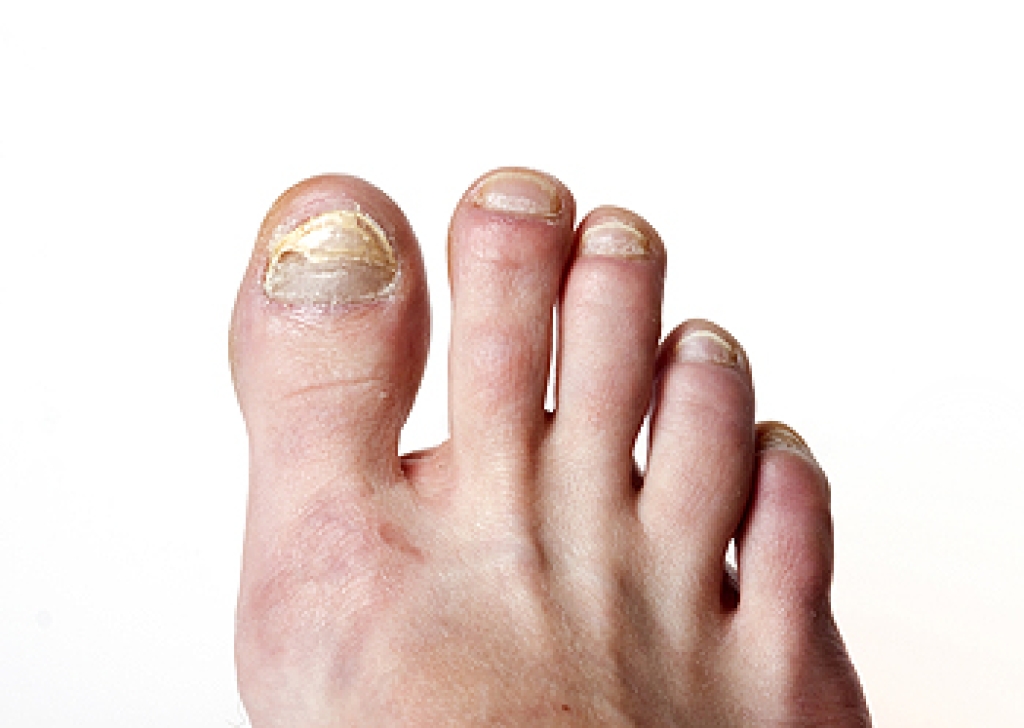
A foot condition known as toenail fungus is quite common among patients who are over sixty years old. It can happen because of an autoimmune disorder, nail trauma, or if the patient has athlete’s foot. Toenail fungus is contagious and is caused by a fungus that enters the skin through tiny cracks. This type of fungus lives and thrives in warm and moist environments. These can consist of public swimming pools, shower room floors, and surrounding areas. A common symptom that is associated with toenail fungus includes a yellowing and thickening of the nails, which will often begin with the big toe. In severe cases, the nails may become brittle and may gradually crack and fall off. Mild relief may be found when the toenails are kept short, and it may help to wear shoes and socks that are made of breathable materials. Additionally, it is recommended that if you are afflicted with toenail fungus you should refrain from sharing towels, shoes, and socks. Please consult with a podiatrist if you would like more information about how to treat toenail fungus.

For more information about treatment, contact James P. Huish, DPM of Arizona. Our doctors can provide the care you need to keep you pain-free and on your feet.

Toenail Fungus Treatment

Toenail fungus is a condition that affects many people and can be especially hard to get rid of. Fortunately, there are several methods to go about treating and avoiding it.

Antifungals & Deterrence

Oral antifungal medicine has been shown to be effective in many cases. It is important to consult with a podiatrist to determine the proper regiment for you, or potentially explore other options.

Applying foot powder on the feet and shoes helps keep the feet free of moisture and sweat.

Sandals or open toed shoes – Wearing these will allow air movement and help keep feet dry. They also expose your feet to light, which fungus cannot tolerate. Socks with moisture wicking material also help as well.

If you have any questions please contact our office located in Safford and Sierra Vista, AZ . We offer the newest diagnostic and treatment technologies for all your foot and ankle needs.

Read more about How to Treat Your Toenail Fungus

Consequences of Fallen Arches

Fallen arches or acquired flat feet occur when the arches of the feet collapse over time due to a weakening of the tendon that supports the arch. One of the main functions of the arches is to flex and absorb shock. When the arches are flat, stress is transferred up into the legs, hips, and lower back, causing pain in both the feet and these areas higher up in the body. Fallen arches can also cause the ankle and leg bones to rotate slightly, which can make ankle and ACL injuries more likely. If you have fallen arches, it is recommended that you seek the care of a podiatrist, who can help prevent or minimize the pain and discomfort caused by this condition.

Flatfoot is a condition many people suffer from. If you have flat feet, contact James P. Huish, DPM from Arizona. Our doctors will treat your foot and ankle needs.

What Are Flat Feet?

Flatfoot is a condition in which the arch of the foot is depressed and the sole of the foot is almost completely in contact with the ground. About 20-30% of the population generally has flat feet because their arches never formed during growth.

Conditions & Problems:

Having flat feet makes it difficult to run or walk because of the stress placed on the ankles.

Alignment – The general alignment of your legs can be disrupted, because the ankles move inward which can cause major discomfort.

Knees – If you have complications with your knees, flat feet can be a contributor to arthritis in that area.  

Symptoms

  • Pain around the heel or arch area
  • Trouble standing on the tip toe
  • Swelling around the inside of the ankle
  • Flat look to one or both feet
  • Having your shoes feel uneven when worn

Treatment

If you are experiencing pain and stress on the foot you may weaken the posterior tibial tendon, which runs around the inside of the ankle. 

If you have any questions, please feel free to contact our office located in Safford and Sierra Vista, AZ . We offer the newest diagnostic and treatment technologies for all your foot care needs.
Read more about Flatfoot

Connect With Us

scroll-to-top