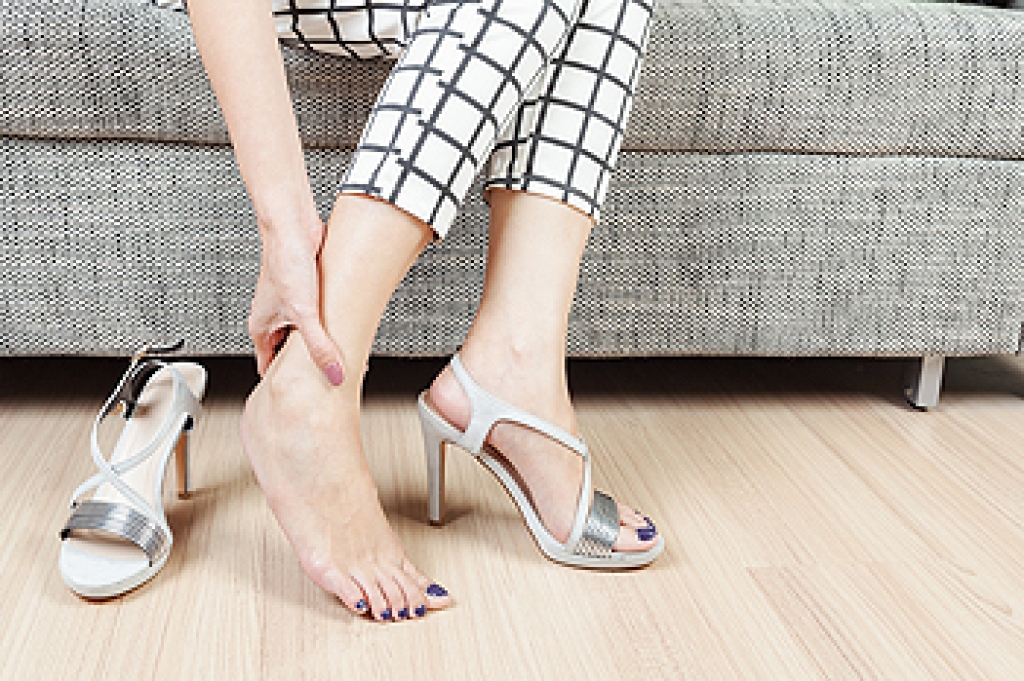
The Toll High Heels Take On Your Feet

It is no secret that wearing high heels every day can be damaging to your feet and legs. Wearing them also creates a reduction in range of movement, balance control, step length, and ankle muscle movement. Some studies even suggest that musculoskeletal disorders may occur later in life as a result of wearing high heels regularly. A study conducted by the University of Alabama at Birmingham points to a doubling of high heel shoe-related injuries over a 10-year period, with most of those injuries affecting the feet and ankles. If you wear high heels on a regular basis and are experiencing any pain or discomfort, make an appointment with a podiatrist. They can examine and test you to diagnose the problem, as well as discuss treatment options which may include custom orthotics and footwear modifications to reduce the harmful effects high heels may be having on your feet and ankles. 

High heels have a history of causing foot and ankle problems. If you have any concerns about your feet or ankles, contact James P. Huish, DPM from Arizona. Our doctors can provide the care you need to keep you pain-free and on your feet.

Effects of High Heels on the Feet

High heels are popular shoes among women because of their many styles and societal appeal.  Despite this, high heels can still cause many health problems if worn too frequently.

Which Parts of My Body Will Be Affected by High Heels?

  • Ankle Joints
  • Achilles Tendon – May shorten and stiffen with prolonged wear
  • Balls of the Feet
  • Knees – Heels cause the knees to bend constantly, creating stress on them
  • Back – They decrease the spine’s ability to absorb shock, which may lead to back pain.  The vertebrae of the lower back may compress.

What Kinds of Foot Problems Can Develop from Wearing High Heels?

  • Corns
  • Calluses
  • Hammertoe
  • Bunions
  • Morton’s Neuroma
  • Plantar Fasciitis

How Can I Still Wear High Heels and Maintain Foot Health?

If you want to wear high heeled shoes, make sure that you are not wearing them every day, as this will help prevent long term physical problems.  Try wearing thicker heels as opposed to stilettos to distribute weight more evenly across the feet.  Always make sure you are wearing the proper shoes for the right occasion, such as sneakers for exercising.  If you walk to work, try carrying your heels with you and changing into them once you arrive at work.  Adding inserts to your heels can help cushion your feet and absorb shock. Full foot inserts or metatarsal pads are available. 

If you have any questions, please feel free to contact our office located in Safford and Sierra Vista, AZ . We offer the newest diagnostic and treatment technologies for all your foot care needs.
Read more about Why High Heels Are Not Ideal for Healthy Feet

Taking a Closer Look at Corns

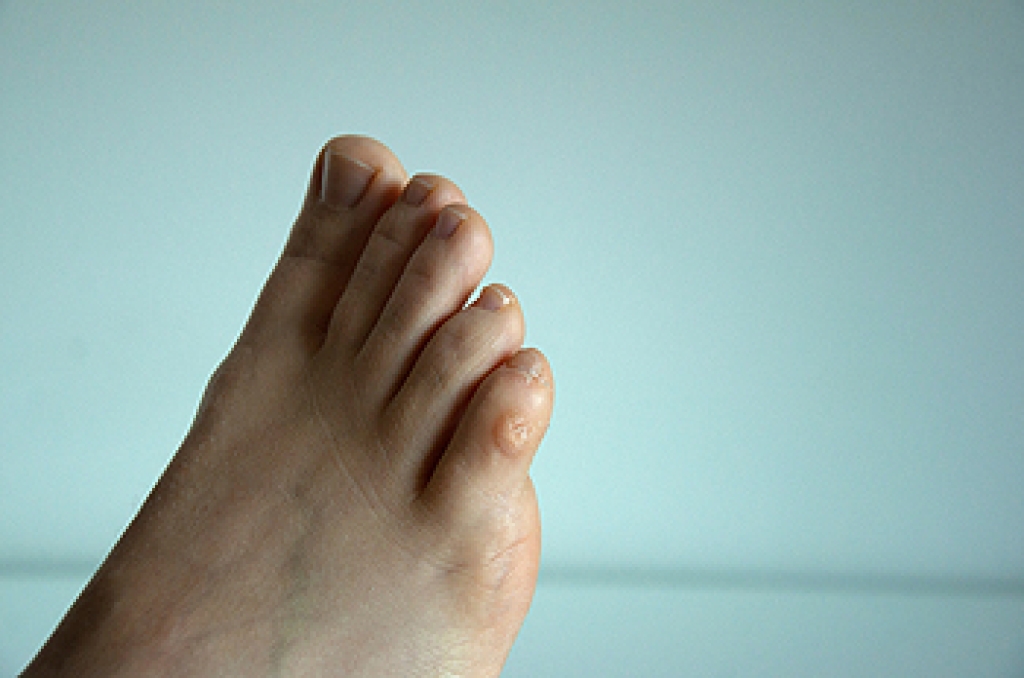
Corns are hardened, thickened areas of skin on your feet that develop due to friction or pressure from footwear. They are typically small and round-shaped, getting their name from their similarity to a kernel of corn. Corns come in two varieties: hard and soft. Hard corns usually form on the tops of the toes and are dry and dense, while soft corns are found between the toes and have a more rubbery texture. Corns of any kind may cause pain or discomfort if there is pressure placed on them. Corns are particularly problematic, possibly leading to complications in people with diabetes or other conditions that affect blood flow to the feet. If you have developed a corn that is painful or chronic, or if you are a diabetic, please seek the professional care of a podiatrist.

Corns can make walking very painful and should be treated immediately. If you have questions regarding your feet and ankles, contact James P. Huish, DPM of Arizona. Our doctors will treat your foot and ankle needs.

Corns: What Are They? And How Do You Get Rid of Them?
Corns are thickened areas on the skin that can become painful. They are caused by excessive pressure and friction on the skin. Corns press into the deeper layers of the skin and are usually round in shape.

Ways to Prevent Corns
There are many ways to get rid of painful corns such as:

  • Wearing properly fitting shoes that have been measured by a professional
  • Wearing shoes that are not sharply pointed or have high heels
  • Wearing only shoes that offer support

Treating Corns

Although most corns slowly disappear when the friction or pressure stops, this isn’t always the case. Consult with your podiatrist to determine the best treatment option for your case of corns.

If you have any questions, please feel free to contact our office located in Safford and Sierra Vista, AZ . We offer the newest diagnostic and treatment technologies for all your foot care needs.

Read more about Everything You Need to Know About Corns

How Did I Get a Heel Spur?

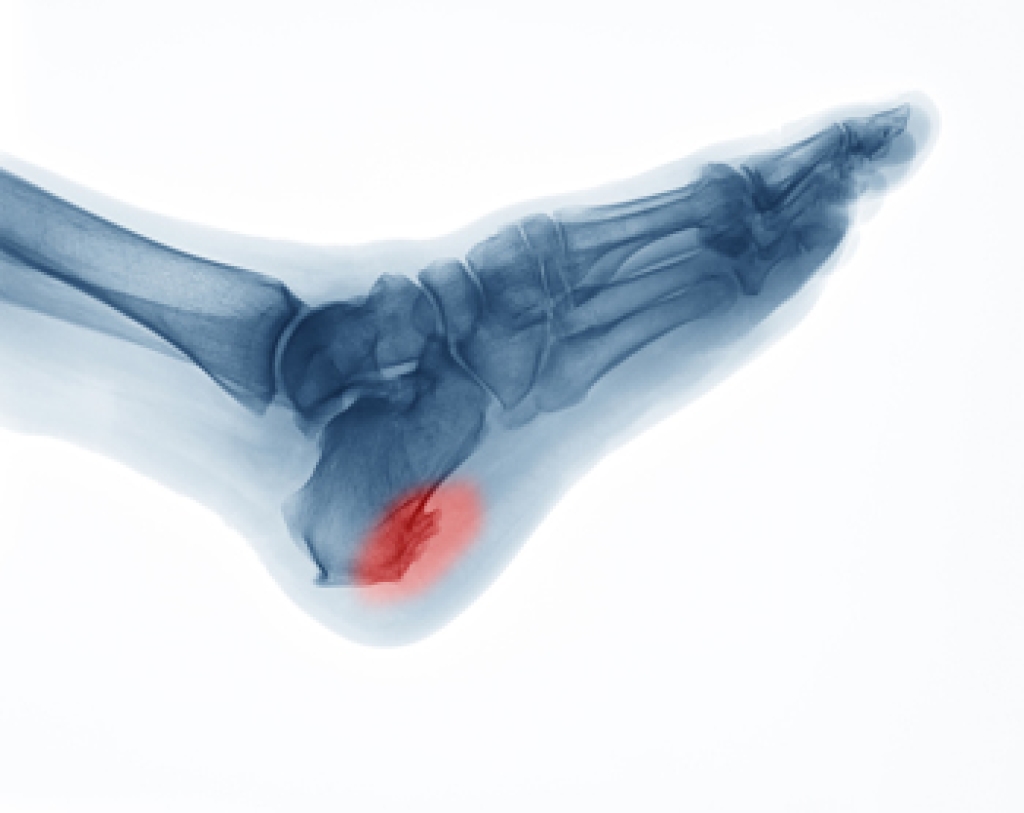
A spur is a bony growth that may develop due to repetitive irritation or stress. As its name suggests, a heel spur develops on the heel bone or calcaneus. More specifically, it typically forms in one of two places on the heel bone. An inferior calcaneal spur forms underneath the heel bone and is associated with plantar fasciitis, a common ligament injury in the foot. A posterior calcaneal spur forms on the back of the heel bone and is associated with Achilles tendonitis. Heel spurs can be asymptomatic or cause sharp pain, dull aches, stiffness, and numbness in the affected heel. Corns and calluses also often form over the affected area. If you have painful heels, please see a podiatrist for a diagnosis and treatment. 

Heel spurs can be incredibly painful and sometimes may make you unable to participate in physical activities. To get medical care for your heel spurs, contact James P. Huish, DPM from Arizona. Our doctors will do everything possible to treat your condition.

Heels Spurs

Heel spurs are formed by calcium deposits on the back of the foot where the heel is. This can also be caused by small fragments of bone breaking off one section of the foot, attaching onto the back of the foot. Heel spurs can also be bone growth on the back of the foot and may grow in the direction of the arch of the foot.

Older individuals usually suffer from heel spurs and pain sometimes intensifies with age. One of the main condition's spurs are related to is plantar fasciitis.

Pain

The pain associated with spurs is often because of weight placed on the feet. When someone is walking, their entire weight is concentrated on the feet. Bone spurs then have the tendency to affect other bones and tissues around the foot. As the pain continues, the feet will become tender and sensitive over time.

Treatments

There are many ways to treat heel spurs. If one is suffering from heel spurs in conjunction with pain, there are several methods for healing. Medication, surgery, and herbal care are some options.

If you have any questions, please feel free to contact our office located in Safford and Sierra Vista, AZ . We offer the newest diagnostic and treatment technologies for all your foot care needs.
Read more about How to Treat Heel Spurs

Are You Suffering From Ingrown Toenails?

If left untreated, an ingrown toenail can lead to more serious concerns, such as an infection. Knowing proper nail care can help in the prevention of an ingrown toenail. Give us a call, and get treated!

The Healing Science of Sound Waves

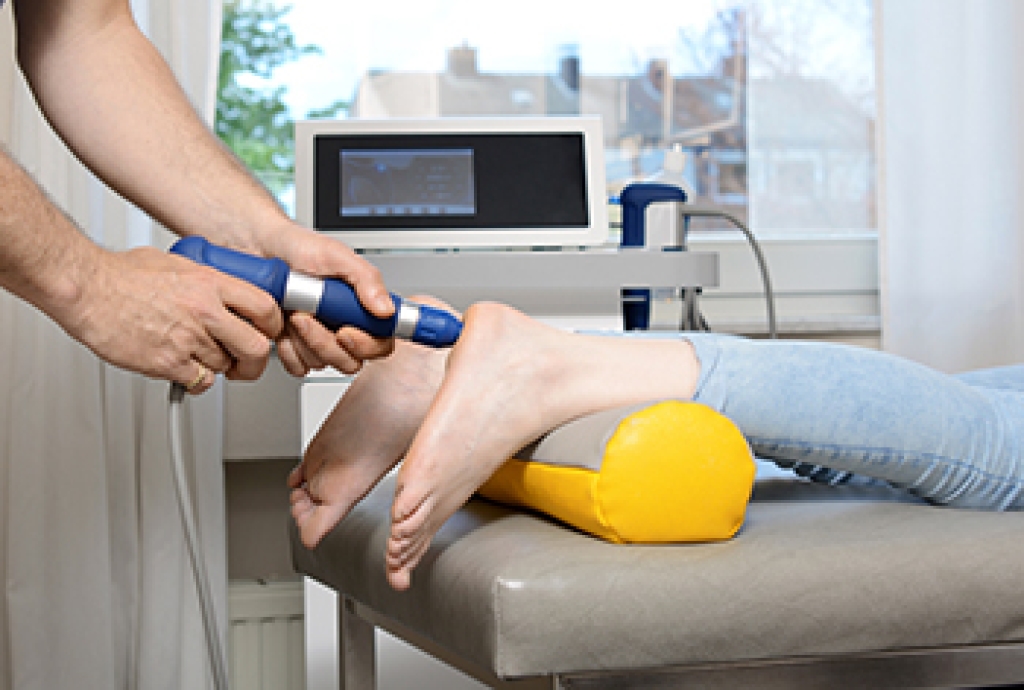
Although the term “shockwave therapy” may sound a little off putting, the science behind it has been used for decades in effective, sound wave treatment for kidney stones (Shockwave Lithotripsy). In soft tissue repair, Extracorporeal Shockwave Therapy (ESWT) has been FDA approved for treating plantar fasciitis—a leading cause of heel pain. ESWT uses high-energy acoustic sound wave impulses to break up scar tissue, reduce pain, and stimulate healing in the damaged and inflamed plantar fascia tissues. ESWT is non-invasive, safe, and effective. If you have persistent pain in your heels, contact a podiatrist for an examination and diagnosis, and to explore whether ESWT may be an option for you.

Shockwave therapy is a treatment commonly used to treat various injuries and conditions, particularly plantar fasciitis in the feet. To learn more, consult with James P. Huish, DPM from Arizona. Our doctors can provide the care you need to keep you pain-free and on your feet.

Shockwave Therapy

Shockwave therapy is a new treatment option designed to treat bone conditions such as tennis elbow, shoulder pain, and others. Shockwave therapy uses high intensity sound waves that are directed to the affected tissues of the body with pinpoint accuracy. The effects are very beneficial, leading to a production of collagen fibers, eliminating inflammation.

Who Benefits from Shockwave?

Shockwave is recommended for patients suffering from heel pain and associated problems. Heel pain is a common condition which can be caused by obesity, overexertion, and spending a substantial amount of time on hard floors with your feet exposed and unsupported.

Fast and Easy

The therapy is actually a simple process that can leave patients feeling better the very next day. Shockwave therapy is not as dramatic as it sounds. It enables more blood flow to effected areas, addressing the source of the problem and allowing treatment to last for a long time.

Treatment & Recovery Time

Shockwave treatment will enable your feet to recover quickly. This is especially important since surgery is not required. It is cost effective and does not require the use of anesthesia. This treatment is a better option to surgery, since it is proven safe.

If you have any questions, please feel free to contact our office located in Safford and Sierra Vista, AZ . We offer the newest diagnostic and treatment technologies for all your foot care needs.

Read more about Shockwave Therapy

Connect With Us

scroll-to-top