Why Does it Feel Like I’m Stepping on a Pebble?

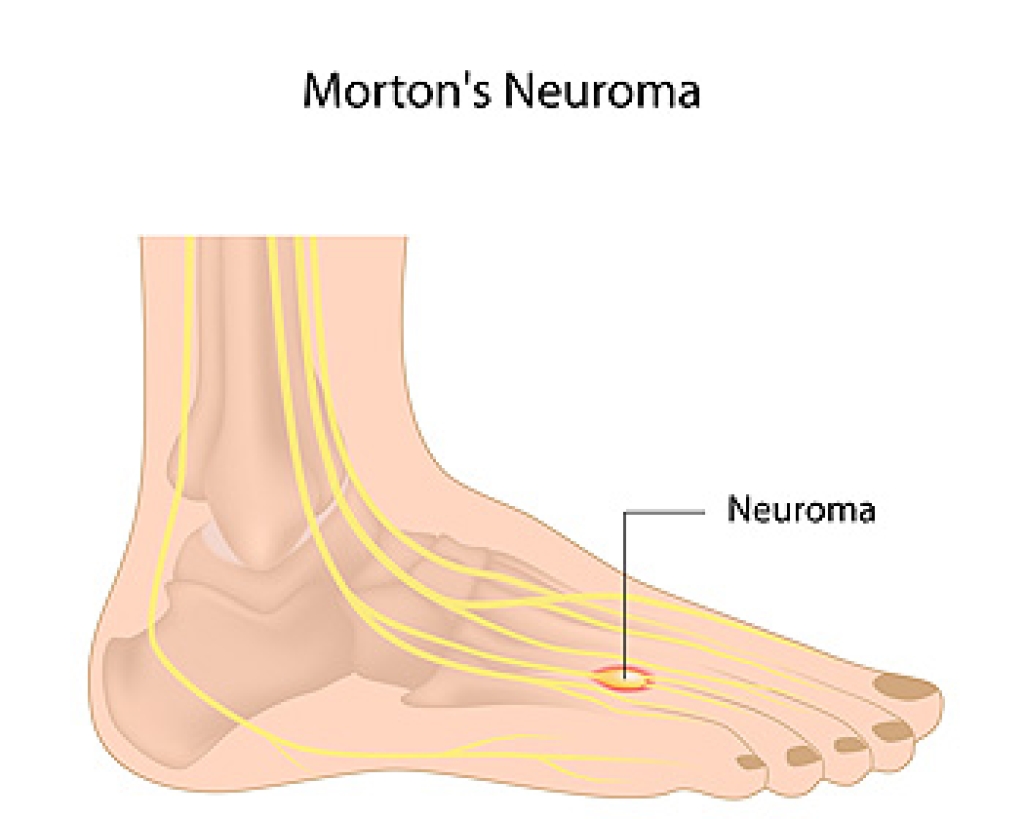
Morton’s neuroma is a condition that affects the ball of your foot. Over time the sheath surrounding the nerve becomes irritated or inflamed and forms a thickened scar tissue. The most common site of pain is between the third and fourth toes. Pain from this condition is often described as, feeling like a pebble is in your shoe and you keep stepping on it. The pain may be sharp, or you may feel a burning sensation or numbness. People who wear high heels, run regularly, or who have other foot deformities such as hammertoe, bunions, or flat feet are at an increased risk of developing Morton’s neuroma. If you are experiencing foot pain, it is suggested that you see a podiatrist, who can diagnose and treat your problem.

Morton’s neuroma is a very uncomfortable condition to live with. If you think you have Morton’s neuroma, contact James P. Huish, DPM of Arizona. Our doctors will attend to all of your foot care needs and answer any of your related questions.  

Morton’s Neuroma

Morton's neuroma is a painful foot condition that commonly affects the areas between the second and third or third and fourth toe, although other areas of the foot are also susceptible. Morton’s neuroma is caused by an inflamed nerve in the foot that is being squeezed and aggravated by surrounding bones.

What Increases the Chances of Having Morton’s Neuroma?

  • Ill-fitting high heels or shoes that add pressure to the toe or foot
  • Jogging, running or any sport that involves constant impact to the foot
  • Flat feet, bunions, and any other foot deformities

Morton’s neuroma is a very treatable condition. Orthotics and shoe inserts can often be used to alleviate the pain on the forefront of the feet. In more severe cases, corticosteroids can also be prescribed. In order to figure out the best treatment for your neuroma, it’s recommended to seek the care of a podiatrist who can diagnose your condition and provide different treatment options.

If you have any questions, please feel free to contact our office located in Safford and Sierra Vista, AZ . We offer the newest diagnostic and treatment technologies for all your foot care needs.

Read more about Morton's Neuroma

Helping Your Heel Heal

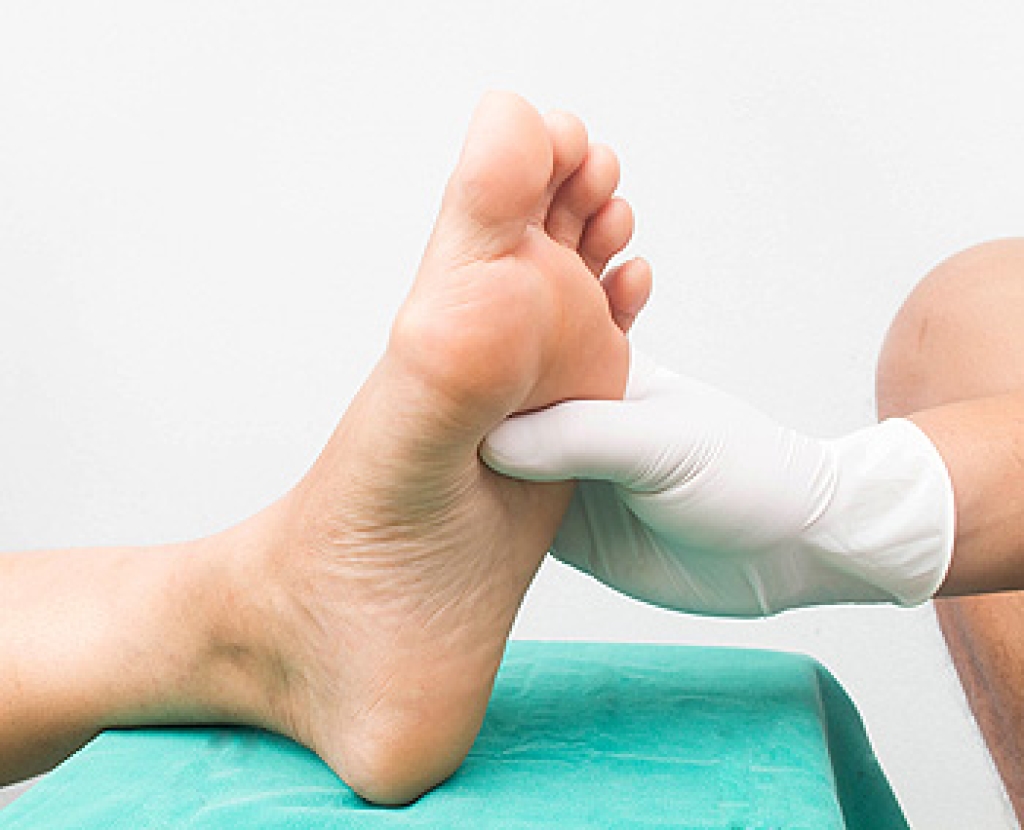
As you get out of bed in the morning and place your feet on the floor, you feel a stabbing pain in your heel. What’s going on? It could be plantar fasciitis, an inflammation of the tissue running along the bottom of your foot. Luckily, there are ways to manage heel pain at home. Rest the foot by avoiding sports and other heavy impact activities such as running or jogging. Put an icepack under the heel for 15 minutes to reduce inflammation and swelling. Stretching your calf and foot muscles and giving yourself a soft-tissue foot massage may also help alleviate pain. While home remedies can be effective, if you find that home management techniques are not working for you, or if your pain is severe, it is recommended that you visit a podiatrist.  

Many people suffer from bouts of heel pain. For more information, contact James P. Huish, DPM of Arizona. Our doctors can provide the care you need to keep you pain-free and on your feet.

Causes of Heel Pain

Heel pain is often associated with plantar fasciitis. The plantar fascia is a band of tissues that extends along the bottom of the foot. A rip or tear in this ligament can cause inflammation of the tissue.

Achilles tendonitis is another cause of heel pain. Inflammation of the Achilles tendon will cause pain from fractures and muscle tearing. Lack of flexibility is also another symptom.

Heel spurs are another cause of pain. When the tissues of the plantar fascia undergo a great deal of stress, it can lead to ligament separation from the heel bone, causing heel spurs.

Why Might Heel Pain Occur?

  • Wearing ill-fitting shoes                
  • Wearing non-supportive shoes
  • Weight change           
  • Excessive running

Treatments

Heel pain should be treated as soon as possible for immediate results. Keeping your feet in a stress-free environment will help. If you suffer from Achilles tendonitis or plantar fasciitis, applying ice will reduce the swelling. Stretching before an exercise like running will help the muscles. Using all these tips will help make heel pain a condition of the past.

If you have any questions, please feel free to contact our office located in Safford and Sierra Vista, AZ . We offer the newest diagnostic and treatment technologies for all your foot care needs.
Read more about Heel Pain

Wounds That Don't Heal Need to Be Checked

Your feet are covered most of the day. If you're diabetic, periodic screening is important for good health. Numbness is often a sign of diabetic foot and can mask a sore or wound.

What Are Common Signs of Neuropathy?

Neuropathy may be brought upon by nerve damage and can cause serious issues for the feet if left unmonitored. This condition can be fairly common among diabetic patients, often causing a loss of feeling or numbing sensation of the feet. There are a few indicators, along with the numbing and tingling of the feet, one may look out for. Some patients may experience a throbbing, burning, or stabbing type of foot pain. Because neuropathy is caused by nerve damage, these issues can lead to changes in the size and shape of the foot. It can also be common for patients with neuropathy to develop foot ulcers. Ulcers, which are deep, open wounds, can form due to neglecting cuts or scrapes on the feet, and can often lead to infection. For professional care and an advised treatment plan, please consult with a podiatrist.

Neuropathy

Neuropathy can be a potentially serious condition, especially if it is left undiagnosed. If you have any concerns that you may be experiencing nerve loss in your feet, consult with James P. Huish, DPM from Arizona. Our doctors will assess your condition and provide you with quality foot and ankle treatment for neuropathy.

What Is Neuropathy?

Neuropathy is a condition that leads to damage to the nerves in the body. Peripheral neuropathy, or neuropathy that affects your peripheral nervous system, usually occurs in the feet. Neuropathy can be triggered by a number of different causes. Such causes include diabetes, infections, cancers, disorders, and toxic substances.

Symptoms of Neuropathy Include:

  • Numbness
  • Sensation loss
  • Prickling and tingling sensations
  • Throbbing, freezing, burning pains
  • Muscle weakness

Those with diabetes are at serious risk due to being unable to feel an ulcer on their feet. Diabetics usually also suffer from poor blood circulation. This can lead to the wound not healing, infections occurring, and the limb may have to be amputated.

Treatment

To treat neuropathy in the foot, podiatrists will first diagnose the cause of the neuropathy. Figuring out the underlying cause of the neuropathy will allow the podiatrist to prescribe the best treatment, whether it be caused by diabetes, toxic substance exposure, infection, etc. If the nerve has not died, then it’s possible that sensation may be able to return to the foot.

Pain medication may be issued for pain. Electrical nerve stimulation can be used to stimulate nerves. If the neuropathy is caused from pressure on the nerves, then surgery may be necessary.

If you have any questions, please feel free to contact our office located in Safford and Sierra Vista, AZ . We offer the newest diagnostic and treatment technologies for all your foot care needs.

Read more about Neuropathy

Location of Pain From Cuboid Syndrome

Pain and discomfort that exists from cuboid syndrome is generally felt on the outer edge of the foot, which is the same  side of your little toe. The cuboid bone is one of several small bones located in each foot, and may become dislocated from overuse, or from frequently participating in running and jumping activities. Since it is sometimes difficult to pinpoint exactly where pain is coming from, this condition is often misdiagnosed or confused with a stress fracture. When a proper evaluation is performed, the correct treatment can begin. If you are experiencing pain around the middle of the foot, or at the base of the fourth and fifth toes, it is strongly suggested that you consult with a podiatrist as quickly as possible who can guide you toward effectively treating this condition.

Cuboid syndrome, also known as cuboid subluxation, occurs when the joints and ligaments near the cuboid bone in the foot become torn. If you have cuboid syndrome, consult with James P. Huish, DPM from Arizona. Our doctors will assess your condition and provide you with quality foot and ankle treatment.

Cuboid syndrome is a common cause of lateral foot pain, which is pain on the outside of the foot. The condition may happen suddenly due to an ankle sprain, or it may develop slowly overtime from repetitive tension through the bone and surrounding structures.

Causes

The most common causes of cuboid syndrome include:

  • Injury – The most common cause of this ailment is an ankle sprain.
  • Repetitive Strain – Tension placed through the peroneus longus muscle from repetitive activities such as jumping and running may cause excessive traction on the bone causing it to sublux.
  • Altered Foot Biomechanics – Most people suffering from cuboid subluxation have flat feet.

Symptoms

A common symptom of cuboid syndrome is pain along the outside of the foot which can be felt in the ankle and toes. This pain may create walking difficulties and may cause those with the condition to walk with a limp.

Diagnosis

Diagnosis of cuboid syndrome is often difficult, and it is often misdiagnosed. X-rays, MRIs and CT scans often fail to properly show the cuboid subluxation. Although there isn’t a specific test used to diagnose cuboid syndrome, your podiatrist will usually check if pain is felt while pressing firmly on the cuboid bone of your foot.

Treatment

Just as the range of causes varies widely, so do treatments. Some more common treatments are ice therapy, rest, exercise, taping, and orthotics.

If you have any questions, please feel free to contact our office located in Safford and Sierra Vista, AZ . We offer the newest diagnostic and treatment technologies for all your foot care needs.

Read more about All About Cuboid Syndrome

Connect With Us

scroll-to-top