The Danger of Diabetic Foot Ulcers

Some diabetic patients, roughly 15 percent, develop what is known as foot ulcers. The main cause is that their feet become numb, and they may not notice sores or open wounds on the bottom of their feet. When these sores fail to heal properly or become infected, they can lead to severe consequences, including amputation. Risk factors include smoking, insulin dependence, weight problems, ill-fitting footwear, high cholesterol and poor hygiene. Symptoms of diabetic foot ulcers are discoloration of toes and toenails, pain and redness, blisters, sores, calluses, pus or fluid discharge, and foul odor emanating from the feet. If diabetic foot ulcers have developed on your feet, it is suggested that you make an appointment with a podiatrist as soon as possible for an examination and ongoing treatment plan.

Diabetic foot care is important in preventing foot ailments such as ulcers. If you are suffering from diabetes or have any other concerns about your feet, contact James P. Huish, DPM from Arizona. Our doctors can provide the care you need to keep you pain-free and on your feet.

Diabetic Foot Care

Diabetes affects millions of people every year. The condition can damage blood vessels in many parts of the body, especially the feet. Because of this, taking care of your feet is essential if you have diabetes, and having a podiatrist help monitor your foot health is highly recommended.

The Importance of Caring for Your Feet

  • Routinely inspect your feet for bruises or sores.
  • Wear socks that fit your feet comfortably.
  • Wear comfortable shoes that provide adequate support.

Patients with diabetes should have their doctor monitor their blood levels, as blood sugar levels play such a huge role in diabetic care. Monitoring these levels on a regular basis is highly advised.

It is always best to inform your healthcare professional of any concerns you may have regarding your feet, especially for diabetic patients. Early treatment and routine foot examinations are keys to maintaining proper health, especially because severe complications can arise if proper treatment is not applied.

If you have any questions, please feel free to contact our office located in Safford and Sierra Vista, AZ . We offer the newest diagnostic and treatment technologies for all your foot care needs.

Read more about How to Care for Diabetic Foot

How to Take Care of Your Baby’s Feet

Your baby will be depending on his or her feet for a lifetime, so it makes sense to begin their life trying to make sure their feet are properly cared for. Under most circumstances, babies are born with feet that are normal and healthy and good care can keep them that way. Things that can be done to keep baby’s feet in good condition include: allowing free and active movement to ensure good muscle development, barefoot crawling indoors so feet and toes continue to develop normally, frequent checking on the proper fit of socks and shoes (especially given how quickly they grow), washing their feet every day with soap and water and drying them thoroughly, and not rushing baby’s walking in any way, including providing walking aids, which might cause injury. Consulting with a podiatrist is suggested if anything concerning or questionable arises with your baby’s feet for immediate diagnosis and proper treatment recommendations, e.g., toes turning in or out a lot, shoes wearing unevenly, rashes, bumps or lumps developing on their feet, or they complain of continual foot pain.  

Making sure that your children maintain good foot health is very important as they grow. If you have any questions, contact James P. Huish, DPM of Arizona. Our doctors can provide the care you need to keep you pain-free and on your feet.

Keeping Children's Feet Healthy

Having healthy feet during childhood can help prevent medical problems later in life, namely in the back and legs. As children grow, their feet require different types of care. Here are some things to consider...

Although babies do not walk yet, it is still very important to take care of their feet.

Avoid putting tight shoes or socks on his or her feet.

Allow the baby to stretch and kick his or her feet to feel comfortable.

As a toddler, kids are now on the move and begin to develop differently. At this age, toddlers are getting a feel for walking, so don’t be alarmed if your toddler is unsteady or ‘walks funny’. 

As your child gets older, it is important to teach them how to take care of their feet.

Show them proper hygiene to prevent infections such as fungus.

Be watchful for any pain or injury.

Have all injuries checked by a doctor as soon as possible.

Comfortable, protective shoes should always be worn, especially at play.

If you have any questions, please feel free to contact our office located in Safford and Sierra Vista, AZ . We offer the newest diagnostic and treatment technologies for all your foot care needs.

Read more about How to Care for Your Child's Feet

Dealing with Corns

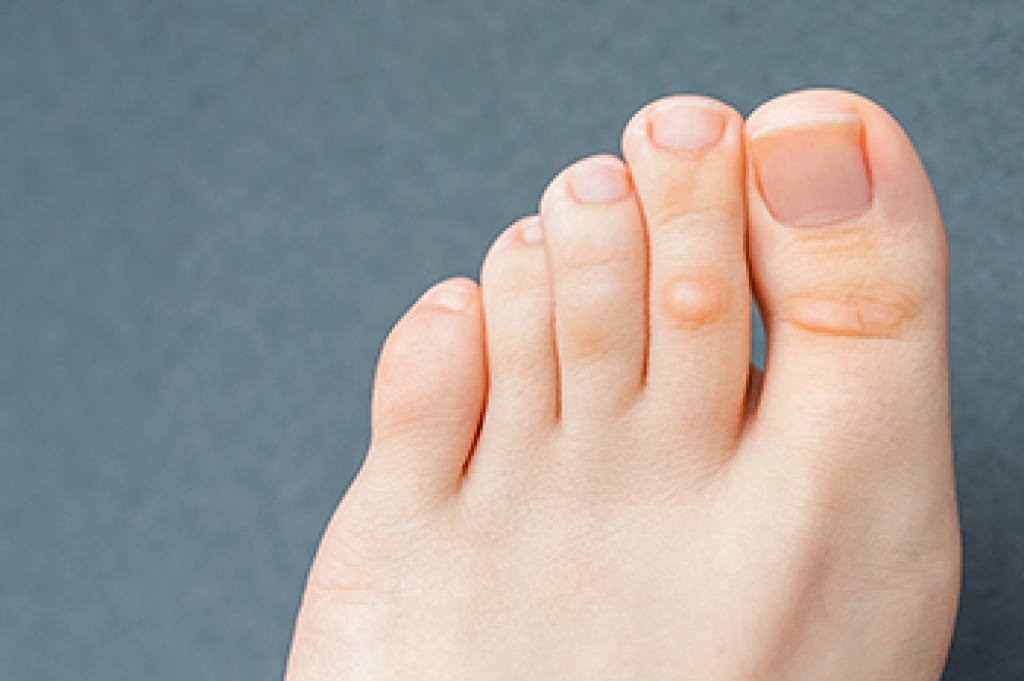
Corns can sometimes be confused with calluses if you don’t know what to look (and feel) for. Corns can be painful and are either hard or soft. Hard corns, the most common type of corn, are caused by repeated pressure or friction. Soft corns are typically lighter in color and rubbery in texture. They usually form between toes. The best way to prevent corns from developing is to wear shoes that fit well and don’t cause pressure or friction on any part of your feet. Keep your toenails trimmed—but not so short that they grow into surrounding skin. Moisturize your feet daily and avoid wearing shoes without socks. People with diabetes, skin disorders or circulation problems would be wise not attempt to remove corns themselves, as such home remedies can sometimes lead to bleeding and infection. For safe and effective treatment for painful corns, it's a good idea to make an appointment with a podiatrist. They can also offer more tips and techniques for avoiding corns from developing in the first place.

If you have any concerns regarding your feet and ankles, contact James P. Huish, DPM of Arizona. Our doctors will treat your foot and ankle needs.

Corns: What Are They? and How Do You Get Rid of Them?
Corns can be described as areas of the skin that have thickened to the point of becoming painful or irritating. They are often layers and layers of the skin that have become dry and rough, and are normally smaller than calluses.

Ways to Prevent Corns
There are many ways to get rid of painful corns such as wearing:

  • Well-fitting socks
  • Comfortable shoes that are not tight around your foot
  • Shoes that offer support

Treating Corns
Treatment of corns involves removing the dead skin that has built up in the specific area of the foot. Consult with Our doctors to determine the best treatment option for your case of corns.

If you have any questions, please feel free to contact our office located in Safford and Sierra Vista, AZ . We offer the newest diagnostic and treatment technologies for all your foot care needs.

Read more about Corns and Calluses

Heel Pain Can Be Treated!

Do you suffer from heel pain when you get up in the morning? If so, you should seek professional help and have a proper diagnosis performed. Heel pain can be caused by several different foot-related conditions.

Easy Ways to Deal With Sports Injuries

A few things can help to prevent a sports-related injury to the feet and ankles. Pre- and post-exercise stretches are a great way to reduce the chance of muscle strain and overuse. Also, if you feel like your body is telling you to rest, it would be wise to listen to your body and take a break. Pushing through fatigue commonly leads to injury, especially in adults who forget how old they are. If your sport requires protective gear, make sure it is in good condition and that you wear it. Stay hydrated (drink water) before, during, and after activity. Among the most common sports injuries to the feet and ankles are inflammation of the Achilles tendon, broken bones, sprains, and strains. At the first sign of severe pain, it’s a good idea to stop the activity immediately, because ignoring it can make the situation worse. Apply the common rest, ice, compression, and elevation treatment routine to the affected area. If your pain continues or worsens, it’s a good idea to see a podiatrist as quickly as possible for an examination, a diagnosis, and a treatment plan that will get you back in the game.

Sports related foot and ankle injuries require proper treatment before players can go back to their regular routines. For more information, contact James P. Huish, DPM of Arizona. Our doctors can provide the care you need to keep you pain-free and on your feet.

Sports Related Foot and Ankle Injuries

Foot and ankle injuries are a common occurrence when it comes to athletes of any sport. While many athletes dismiss the initial aches and pains, the truth is that ignoring potential foot and ankle injuries can lead to serious problems. As athletes continue to place pressure and strain the area further, a mild injury can turn into something as serious as a rupture and may lead to a permanent disability. There are many factors that contribute to sports related foot and ankle injuries, which include failure to warm up properly, not providing support or wearing bad footwear. Common injuries and conditions athletes face, including:

  • Plantar Fasciitis
  • Achilles Tendinitis
  • Achilles Tendon Rupture
  • Ankle Sprains

Sports related injuries are commonly treated using the RICE method. This includes rest, applying ice to the injured area, compression and elevating the ankle. More serious sprains and injuries may require surgery, which could include arthroscopic and reconstructive surgery. Rehabilitation and therapy may also be required in order to get any recovering athlete to become fully functional again. Any unusual aches and pains an athlete sustains must be evaluated by a licensed, reputable medical professional.

If you have any questions please contact our office located in Safford and Sierra Vista, AZ . We offer the newest diagnostic and treatment technologies for all your foot and ankle needs.

Read more about Sports Related Foot and Ankle Injuries

Connect With Us

scroll-to-top