
Gout is a painful, inflammatory form of arthritis. Those affected will typically feel an intense stiffness in the joints of their feet, particularly in the big toe. Schedule a visit to learn about how gout can be managed and treated.
Gout is a painful, inflammatory form of arthritis. Those affected will typically feel an intense stiffness in the joints of their feet, particularly in the big toe. Schedule a visit to learn about how gout can be managed and treated.

A bunion is a bony bump that forms at the base of the big toe as the joint gradually shifts out of alignment. While bunions may worsen over time, certain steps can help reduce stress on the joint and slow progression. Wearing shoes with a wide toe box can help limit pressure that pushes the toes inward. Wearing supportive footwear and custom orthotics may improve foot mechanics and reduce strain during walking. Maintaining a healthy activity routine while avoiding repetitive pressure that increases pain may also help. In some cases, strengthening and stretching exercises may improve joint function and comfort. A podiatrist can evaluate the severity of the bunion, assess walking patterns, and recommend strategies based on your foot structure and symptoms. Early management may help delay worsening and reduce discomfort during daily activity. If you notice a bunion becoming more painful or more noticeable, it is suggested that you visit a podiatrist who can help you to manage this condition.
If you are suffering from bunion pain, contact James P. Huish, DPM of Arizona. Our doctors can provide the care you need to keep you pain-free and on your feet.
What Is a Bunion?
Bunions are painful bony bumps that usually develop on the inside of the foot at the joint of the big toe. As the deformity increases over time, it may become painful to walk and wear shoes. Women are more likely to exacerbate existing bunions since they often wear tight, narrow shoes that shift their toes together. Bunion pain can be relieved by wearing wider shoes with enough room for the toes.
Causes
Symptoms
In order to diagnose your bunion, your podiatrist may ask about your medical history, symptoms, and general health. Your doctor might also order an x-ray to take a closer look at your feet. Nonsurgical treatment options include orthotics, padding, icing, changes in footwear, and medication. If nonsurgical treatments don’t alleviate your bunion pain, surgery may be necessary.
If you have any questions, please feel free to contact our office located in Safford and Sierra Vista, AZ . We offer the newest diagnostic and treatment technologies for all your foot care needs.
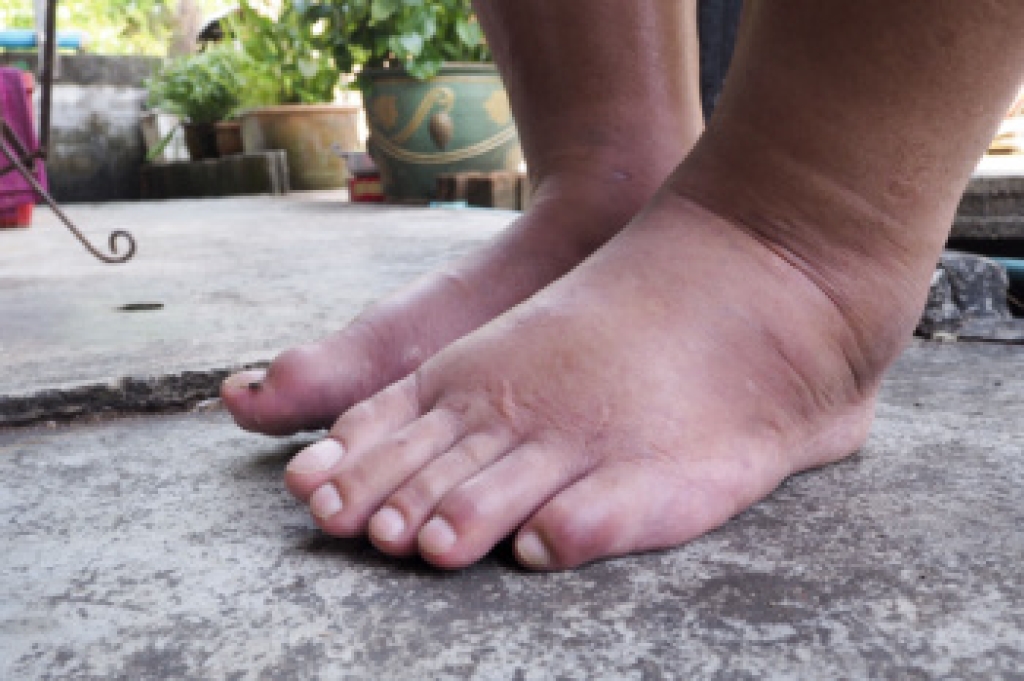
Swelling of the feet, also known as edema, occurs when fluid builds up in the tissues. The feet may appear puffy, stretched, or shiny. The skin may feel tight or leave an indentation when pressed. Some people notice discomfort, heaviness, or difficulty fitting into their shoes, especially later in the day. Causes for swollen feet include standing or sitting for long periods of time, injury, or pregnancy. Additionally, underlying conditions that affect circulation, the heart, kidneys, or lymphatic system can also contribute to swelling. A podiatrist can examine the feet and ankles, assess circulation, and help determine whether the swelling is localized or related to a broader medical issue. Treatment options include elevation, compression, and supportive footwear. Targeted exercises may be suggested to encourage fluid movement. Identifying the cause is important to guide proper care and prevent complications. If you have swollen feet, it is suggested that you schedule an appointment with a podiatrist for appropriate relief and management tips.
Swollen feet can be a sign of an underlying condition. If you have any concerns, contact James P. Huish, DPM of Arizona. Our doctors can provide the care you need to keep you pain-free and on your feet.
Swollen feet are a common ailment among pregnant women and people who stand or sit for extended periods. Aging may increase the possibility of swollen feet and patients who are obese often notice when their feet are swelling too. There may be medical reasons why swollen feet occur:
Swollen feet can also be caused by bone and tendon conditions, including fractures, arthritis, and tendinitis. Additionally, there may be skin and toenail conditions and an infection may cause the feet to swell. Patients who take medicine to treat high blood pressure may be prone to getting swollen feet.
Many patients elevate their feet to help relieve the swelling and this is generally a temporary remedy. When a podiatrist is consulted the reason behind the swelling can be uncovered and subsequently treated.
If you have any questions please contact our office located in Safford and Sierra Vista, AZ . We offer the newest diagnostic and treatment technologies for all your foot and ankle needs.

Athlete’s foot is a fungal skin infection that affects the skin between the toes and along the sides of the feet. Although common among athletes, it can develop wherever fungus thrives. Typical breeding grounds are warm, damp places, especially inside tight shoes or sweaty socks. Symptoms of athlete's foot include itching, redness, and peeling skin. Other signs include cracking, burning, and stinging skin. Some people develop blisters or skin that becomes dry and flaky. If the infection spreads to the toenails, they can become thick, yellow, and brittle. Athlete’s foot can spread through direct contact or from shared surfaces, including locker rooms, pool areas, and public showers. A podiatrist can examine the skin, confirm the infection, and prescribe strong antifungal medication. Early care can help prevent the infection from spreading to the nails. If you have symptoms of an athlete's foot infection, it is suggested that you schedule an appointment with a podiatrist for a diagnosis and effective treatment solutions.
Athlete’s foot is an inconvenient condition that can be easily reduced with the proper treatment. If you have any concerns about your feet and ankles, contact James P. Huish, DPM from Arizona. Our doctors will treat your foot and ankle needs.
Athlete’s Foot: The Sole Story
Athlete's foot, also known as tinea pedis, can be an extremely contagious foot infection. It is commonly contracted in public changing areas and bathrooms, dormitory style living quarters, around locker rooms and public swimming pools, or anywhere your feet often come into contact with other people.
Solutions to Combat Athlete’s Foot
Athlete’s foot can cause many irritating symptoms such as dry and flaking skin, itching, and redness. Some more severe symptoms can include bleeding and cracked skin, intense itching and burning, and even pain when walking. In the worst cases, Athlete’s foot can cause blistering as well. Speak to your podiatrist for a better understanding of the different causes of Athlete’s foot, as well as help in determining which treatment options are best for you.
If you have any questions please feel free to contact our office located in Safford and Sierra Vista, AZ . We offer the newest diagnostic and treatment technologies for all your foot and ankle needs.

Foot fractures occur when one or more bones in the foot break, due to a crush injury or a twisting force. Metatarsal fractures, among the most common, are often managed with a protective boot or hard-soled shoe for several weeks to allow proper healing. Other bone fractures in the foot may require immobilization with a boot or a short cast for several weeks depending on severity. Symptoms typically include pain, swelling, bruising, and difficulty walking on the affected foot. Risk factors include high-impact activities, falls, improper footwear, and weakened bone strength. A podiatrist can diagnose foot fractures, provide appropriate treatment, and monitor healing. If you have broken a bone in your foot, it is suggested that you consult a podiatrist who can accurately diagnose and treat foot fractures.
A broken foot requires immediate medical attention and treatment. If you need your feet checked, contact James P. Huish, DPM from Arizona. Our doctors can provide the care you need to keep you pain-free and on your feet.
Broken Foot Causes, Symptoms, and Treatment
A broken foot is caused by one of the bones in the foot typically breaking when bended, crushed, or stretched beyond its natural capabilities. Usually the location of the fracture indicates how the break occurred, whether it was through an object, fall, or any other type of injury.
Common Symptoms of Broken Feet:
Those that suspect they have a broken foot shoot seek urgent medical attention where a medical professional could diagnose the severity.
Treatment for broken bones varies depending on the cause, severity and location. Some will require the use of splints, casts or crutches while others could even involve surgery to repair the broken bones. Personal care includes the use of ice and keeping the foot stabilized and elevated.
If you have any questions, please feel free to contact our office located in Safford and Sierra Vista, AZ . We offer the newest diagnostic and treatment technologies for all your foot care needs.
Connect With Us
