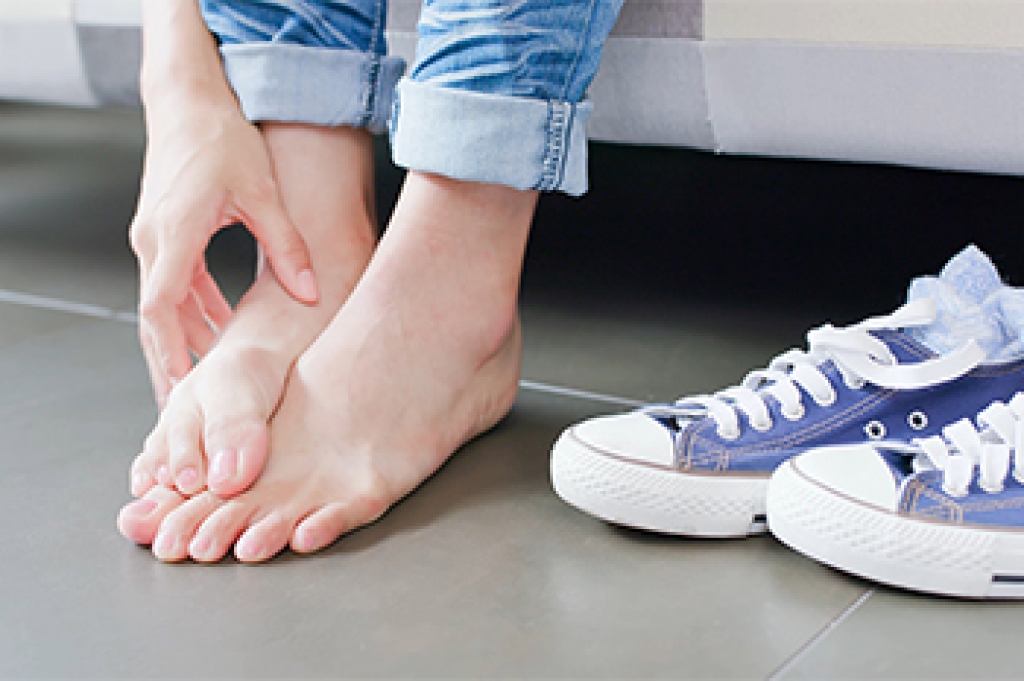
Facts About Athlete’s Foot

Athlete’s foot is a contagious fungal infection that affects the skin on the feet. This fungus is a living organism that grows best in warm, moist environments. The infection commonly develops between the toes, but it can also affect the soles of the feet and the toenails. Because the fungus spreads easily, athlete’s foot is frequently picked up in places where people walk barefoot. These areas include locker rooms, swimming pool decks, and public shower areas. The infection can also spread through contact with contaminated shoes, socks, towels, and other surfaces. People who wear closed shoes for long periods of time, or whose feet stay damp, are at greater risk of developing athlete’s foot.

The symptoms of athlete’s foot can range from mild to severe. Common signs include itching, redness, and peeling skin. Some people develop cracking between the toes, while others notice burning sensations or painful skin irritation. Small blisters filled with fluid can also form. When the infection spreads to the toenails, the nails can become thick, brittle, and discolored. Athlete’s foot can affect comfort while walking, and may make daily activities more difficult. Because other foot conditions can look similar, a proper diagnosis is important. A podiatrist can examine the skin, identify the source of the problem, and determine whether a fungal infection is present.

Treatment focuses on eliminating the fungus and preventing the infection from becoming more severe. A podiatrist can recommend prescription-strength medications when appropriate and monitor the skin for signs of complications. In some cases, athlete’s foot can lead to bacterial infections, as harmful germs enter damaged skin. Early treatment can help reduce discomfort and limit the spread of the fungus to other areas of the body or to other people. If you have an athlete's foot infection, it is suggested that you schedule an appointment with a podiatrist for an accurate diagnosis and appropriate treatment solutions, which may include prescribed medication.

Athlete’s Foot

Athlete’s foot is often an uncomfortable condition to experience. Thankfully, podiatrists specialize in treating athlete’s foot and offer the best treatment options. If you have any questions about athlete’s foot, consult with James P. Huish, DPM from Arizona. Our doctors will assess your condition and provide you with quality treatment.

What Is Athlete’s Foot?

Tinea pedis, more commonly known as athlete’s foot, is a non-serious and common fungal infection of the foot. Athlete’s foot is contagious and can be contracted by touching someone who has it or infected surfaces. The most common places contaminated by it are public showers, locker rooms, and swimming pools. Once contracted, it grows on feet that are left inside moist, dark, and warm shoes and socks.

Prevention

The most effective ways to prevent athlete’s foot include:

  • Thoroughly washing and drying feet
  • Avoid going barefoot in locker rooms and public showers
  • Using shower shoes in public showers
  • Wearing socks that allow the feet to breathe
  • Changing socks and shoes frequently if you sweat a lot

Symptoms

Athlete’s foot initially occurs as a rash between the toes. However, if left undiagnosed, it can spread to the sides and bottom of the feet, toenails, and if touched by hand, the hands themselves. Symptoms include:

  • Redness
  • Burning
  • Itching
  • Scaly and peeling skin

Diagnosis and Treatment

Diagnosis is quick and easy. Skin samples will be taken and either viewed under a microscope or sent to a lab for testing. Sometimes, a podiatrist can diagnose it based on simply looking at it. Once confirmed, treatment options include oral and topical antifungal medications.

If you have any questions, please feel free to contact our office located in Safford and Sierra Vista, AZ . We offer the newest diagnostic and treatment technologies for all your foot care needs.

Read more about How to Deal with Athlete's Foot

Why Foot Exams Matter in Older Adults

Foot health plays an important role in overall mobility, safety, and independence as people age. Changes in the feet can affect balance, walking stability, and the risk of falls, making foot evaluation an important part of care for older adults. Problems such as thickened nails, poorly maintained skin, pressure areas, or untreated pain may signal more than a foot issue alone. These findings can sometimes suggest reduced mobility, declining strength, difficulty with self-care, or increasing frailty. In some cases, they may also reflect that a caregiver is struggling to keep up with daily care needs. A focused foot examination can help identify concerns early and guide treatment before more serious complications develop. Addressing foot problems may improve comfort, function, and safety. If you are an older adult, or caring for one, and foot discomfort, balance changes, or difficulty with walking persist, it is suggested that you visit a podiatrist for a comprehensive evaluation.

If you need your feet checked, contact James P. Huish, DPM of Arizona. Our doctors will attend to all of your foot and ankle needs and provide you with quality treatment.

Geriatrics and Podiatry
When people age, some common issues that may occur are bone density loss, dry skin, poor circulation, and rough brittle nails. These issues may also affect your foot health if the necessary steps are not taken to alleviate the problems.

It is important to take care of your feet because feet that are injured or diseased can affect your overall health. Having painful feet hinders your ability to do daily activities or may decrease your willingness to do the things that you need to do.

Visiting Your Geriatrician
As we age, health problems become more likely, so it is essential to visit your doctor for check-ups to ensure that you are doing the best you can to take care of your health. It is recommended to check your feet frequently for any possible cuts, bruises, swelling, corns or any other irregularities. 

Taking Care of Elderly Feet
Cracked or dry feet can be treated by applying moisturizer often. It is also important not to wear old socks because the older the sock is, the higher the possibility there will be that there is bacteria there. Wear fresh socks and make sure they fit properly.

Proper foot health means that you can have a more active lifestyle and you will not be bogged down by pain. Foot health also leads to good circulation, which is paramount for overall health.

If you have any questions, please feel free to contact our office located in Safford and Sierra Vista, AZ . We offer the newest diagnostic and treatment technologies for all your foot care needs.

Read more about Elderly and their Feet

Running Shoes for Different Foot Types

Selecting the right running shoes is important for comfort, performance, and injury prevention. Foot structure plays a major role in determining the best type of shoe for each person. Individuals with pronated feet, where the arch collapses inward, often benefit from maximum support running shoes that help control motion and improve alignment. Those with neutral feet typically do well with cushioned neutral shoes that provide balanced support and shock absorption. People with supinated feet, where the arch is high and the foot rolls outward, may need structured cushioned or stability shoes to help distribute pressure more evenly. Wearing the wrong type of shoe can lead to pain in the feet, ankles, knees, and lower legs over time. A podiatrist can evaluate foot mechanics and gait patterns and recommend the most appropriate footwear. If you have foot pain from running, it is suggested that you consult a podiatrist who treats various foot and ankle conditions and guide you on which shoes to wear.

You should always make sure your running shoes fit properly in order to avoid injury. For more information, contact James P. Huish, DPM from Arizona. Our doctors can provide the care you need to keep you pain-free and on your feet.

Choosing the Right Running Shoe for Your Foot Type

Improper shoe sizing can cause a myriad of problems for your feet. Shoes that don’t fit you properly can lead to muscular imbalances in your body, which can result in foot, knee, and hip injuries.

Tips for Finding the Right Running Shoe

  • Make sure you have a thumb’s width of wiggle room between the end of your longest toe and the front of the shoe.
  • There should be little to no slipping at the heel
  • Don’t assume your size in one shoe brand will be your size in another
  • Do not lace up your shoes too tightly
  • Walk around in the store with your new shoes before you buy them

If you have any questions, please feel free to contact our office located in Safford and Sierra Vista, AZ . We offer the newest diagnostic and treatment technologies for all your foot care needs.

Read more about Choosing the Right Running Shoe

Exercises for Flat Feet and When to Seek Care

Flat feet is a condition where the arches of the feet are low or absent, causing the entire sole to touch the ground while standing. It may develop from genetics, ligament laxity, injury, or gradual strain over time. People with flat feet may notice foot fatigue, aching along the arch, or pain in the heel and ankle after activity. Simple exercises can help support the foot. These include heel stretches that can improve flexibility in the calf and reduce strain on the arch. Tennis ball rolls gently massage the bottom of the foot and promote circulation. Arch lifts strengthen the small muscles that support the foot structure. While these exercises may provide temporary relief, a podiatrist can evaluate alignment, recommend custom orthotics, and address underlying causes. If you have flat feet and your feet hurt or are consistently tired, it is suggested that you consult a podiatrist for additional relief and management tips.

Exercising your feet regularly with the proper foot wear is a great way to prevent injuries and build strength. If you have any concerns about your feet, contact James P. Huish, DPM from Arizona. Our doctors can provide the care you need to keep you pain-free and on your feet.

Exercise for Your Feet

Exercise for your feet can help you gain strength, mobility and flexibility in your feet. They say that strengthening your feet can be just as rewarding as strengthening another part of the body. Your feet are very important, and we often forget about them in our daily tasks. But it is because of our feet that are we able to get going and do what we need to. For those of us fortunate enough to not have any foot problems, it is an important gesture to take care of them to ensure good health in the long run.

Some foot health exercises can include ankle pumps, tip-toeing, toe rises, lifting off the floor doing reps and sets, and flexing the toes. It is best to speak with Our doctors to determine an appropriate regimen for your needs. Everyone’s needs and bodies are different, and the activities required to maintain strength in the feet vary from individual to individual. 

Once you get into a routine of doing regular exercise, you may notice a difference in your feet and how strong they may become.

If you have any questions, please feel free to contact our office located in Safford and Sierra Vista, AZ . We offer the newest diagnostic and treatment technologies for all your foot care needs.

Read more about Exercise for Your Feet

What a Lump on the Heel May Mean

A lump on the heel may be related to irritation of soft tissue, bone enlargement, cysts, or inflammation near the back or bottom of the foot. Some lumps feel firm and bony, while others feel soft, swollen, or tender to the touch. Patients often notice discomfort while walking, wearing shoes, or standing for long periods of time,  especially if pressure is placed directly on the area. Common causes include Haglund’s deformity, plantar fibromas, heel spurs, or thickened tissue caused by repeated friction. The skin around the lump may appear red, irritated, or swollen. Some patients experience burning or aching pain that worsens with activity. A podiatrist can examine the heel, evaluate the size and location of the lump, and use imaging studies to determine the underlying cause. Treatment may include footwear changes, targeted exercises, medication, or surgery, in more advanced cases. If you have a lump on your heel, it is suggested that you schedule an appointment with a podiatrist for effective treatment solutions.

Foot Pain

Foot pain can be extremely painful and debilitating. If you have a foot pain, consult with James P. Huish, DPM from Arizona. Our doctors will assess your condition and provide you with quality foot and ankle treatment.

Causes

Foot pain is a very broad condition that could be caused by one or more ailments. The most common include:

  • Bunions
  • Hammertoes
  • Plantar Fasciitis
  • Bone Spurs
  • Corns
  • Tarsal Tunnel Syndrome
  • Ingrown Toenails
  • Arthritis (such as Gout, Rheumatoid, and Osteoarthritis)
  • Flat Feet
  • Injury (from stress fractures, broken toe, foot, ankle, Achilles tendon ruptures, and sprains)
  • And more

Diagnosis

To figure out the cause of foot pain, podiatrists utilize several different methods. This can range from simple visual inspections and sensation tests to X-rays and MRI scans. Prior medical history, family medical history, and any recent physical traumatic events will all be taken into consideration for a proper diagnosis.

Treatment

Treatment depends upon the cause of the foot pain. Whether it is resting, staying off the foot, or having surgery; podiatrists have a number of treatment options available for foot pain.

If you have any questions, please feel free to contact our office located in Safford and Sierra Vista, AZ . We offer the newest diagnostic and treatment technologies for all your foot care needs.

Read more about Foot Pain

Connect With Us

scroll-to-top