
Custom orthotics, or shoe inserts, should be periodically replaced. Orthotics must fit properly to give you the best results. Protect your feet and ankles!
Custom orthotics, or shoe inserts, should be periodically replaced. Orthotics must fit properly to give you the best results. Protect your feet and ankles!

Cuboid syndrome affects the cuboid bone on the outer side of the foot and is a common cause of lateral foot pain. The cuboid plays an important role in foot stability and movement, especially during walking and running. This condition occurs when the cuboid bone becomes slightly misaligned or disrupted, often due to strain or injury. Even a small shift in this bone can lead to significant discomfort and difficulty with normal foot function.
Symptoms of cuboid syndrome include sharp or aching pain along the outer side of the foot. This pain may worsen with weight bearing activities, such as walking, standing, or pushing off during movement. Some individuals experience tenderness when pressing on the affected area, along with mild swelling. Limited mobility and weakness in the foot may also develop, making it difficult to maintain balance or perform daily activities. In some cases, the pain may come and go, especially after periods of rest or increased activity.
Several causes contribute to the development of cuboid syndrome. Trauma to the foot, such as a sudden twist or ankle injury, is one of the most common triggers. Repetitive strain from physical activity or improper footwear can also lead to misalignment of the cuboid bone. Altered foot biomechanics, including flat feet or abnormal gait patterns, may place added stress on the lateral side of the foot.
Risk factors for cuboid syndrome include participation in sports that involve quick directional changes, a history of ankle instability, and prolonged standing or walking. Individuals with poor foot mechanics or inadequate support may also be more likely to develop this condition. Early recognition and treatment can help restore proper alignment and reduce pain. A podiatrist can assess the foot and recommend appropriate care to improve function. If you have pain on the outside of your foot, it is suggested that you consult a podiatrist who can accurately diagnose and treat cuboid syndrome.
Cuboid syndrome, also known as cuboid subluxation, occurs when the joints and ligaments near the cuboid bone in the foot become torn. If you have cuboid syndrome, consult with James P. Huish, DPM from Arizona. Our doctors will assess your condition and provide you with quality foot and ankle treatment.
Cuboid syndrome is a common cause of lateral foot pain, which is pain on the outside of the foot. The condition may happen suddenly due to an ankle sprain, or it may develop slowly overtime from repetitive tension through the bone and surrounding structures.
Causes
The most common causes of cuboid syndrome include:
Symptoms
A common symptom of cuboid syndrome is pain along the outside of the foot which can be felt in the ankle and toes. This pain may create walking difficulties and may cause those with the condition to walk with a limp.
Diagnosis
Diagnosis of cuboid syndrome is often difficult, and it is often misdiagnosed. X-rays, MRIs and CT scans often fail to properly show the cuboid subluxation. Although there isn’t a specific test used to diagnose cuboid syndrome, your podiatrist will usually check if pain is felt while pressing firmly on the cuboid bone of your foot.
Treatment
Just as the range of causes varies widely, so do treatments. Some more common treatments are ice therapy, rest, exercise, taping, and orthotics.
If you have any questions, please feel free to contact our office located in Safford and Sierra Vista, AZ . We offer the newest diagnostic and treatment technologies for all your foot care needs.
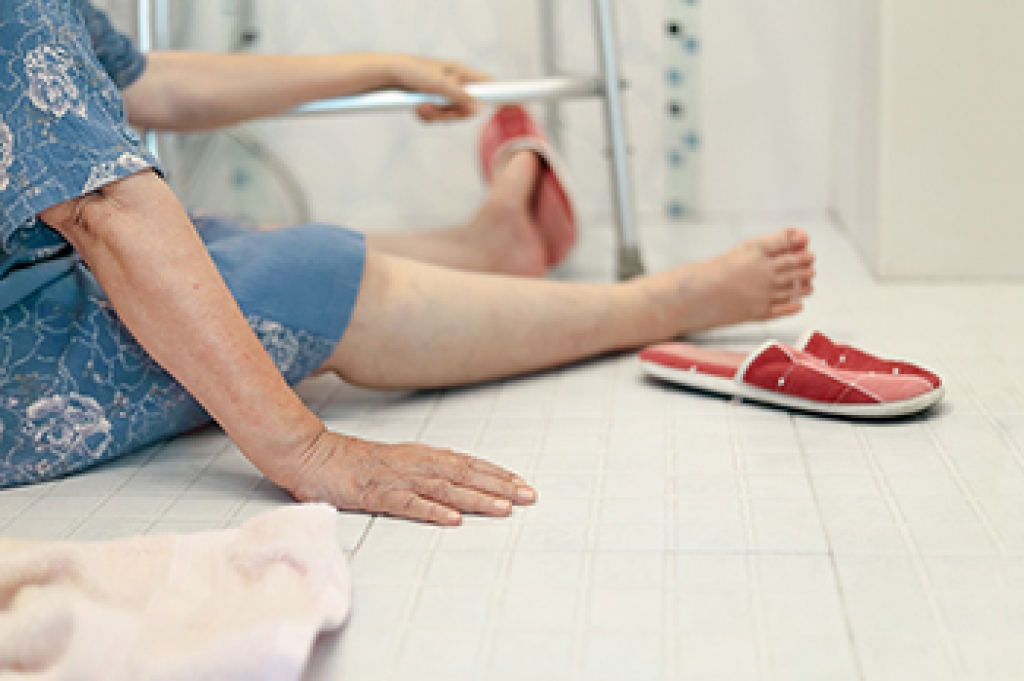
Falls in elderly adults are a leading cause of injury and can significantly affect independence and quality of life. A fall is defined as an unintentional loss of balance that results in landing on the ground. Common causes include poor vision, medication side effects, home safety hazards, and lack of physical activity. These factors can interfere with balance, coordination, and awareness, increasing the likelihood of a fall. Understanding these causes helps individuals and caregivers take steps to improve safety.
Symptoms that may signal a higher risk of falling include unsteady walking, dizziness, slow reaction time, and muscle weakness. Poor vision can make it difficult to detect obstacles, while certain medications may cause drowsiness or reduced alertness. Risk factors also include chronic health conditions, reduced flexibility, and limited strength. When these issues combine, they can make daily movements more challenging and increase the chance of losing balance.
Falls can result in several foot and ankle conditions, including sprains, fractures, bruising, and joint injuries. These conditions may cause pain, swelling, and difficulty walking, which can limit mobility and slow recovery. Home safety hazards such as loose rugs, poor lighting, and cluttered pathways can increase the risk of these injuries. Preventive measures include improving home safety, staying physically active, and addressing vision concerns. Regular exercise can help build strength and improve balance, which supports safer movement.
Reducing fall risk requires awareness, preparation, and consistent habits. Making simple changes at home and focusing on physical health can help prevent injuries and maintain independence. Understanding symptoms and risk factors allows for early action and better outcomes. If you have foot or ankle pain from falling, it is suggested that you consult a podiatrist for effective treatment solutions and additional guidance on fall prevention strategies.
Preventing falls among the elderly is very important. If you are older and have fallen or fear that you are prone to falling, consult with James P. Huish, DPM from Arizona. Our doctors will assess your condition and provide you with quality advice and care.
Every 11 seconds, an elderly American is being treated in an emergency room for a fall related injury. Falls are the leading cause of head and hip injuries for those 65 and older. Due to decreases in strength, balance, senses, and lack of awareness, elderly persons are very susceptible to falling. Thankfully, there are a number of things older persons can do to prevent falls.
How to Prevent Falls
Some effective methods that older persons can do to prevent falls include:
Falling can be a traumatic and embarrassing experience for elderly persons; this can make them less willing to leave the house, and less willing to talk to someone about their fears of falling. Doing such things, however, will increase the likelihood of tripping or losing one’s balance. Knowing the causes of falling and how to prevent them is the best way to mitigate the risk of serious injury.
If you have any questions, please feel free to contact our office located in Safford and Sierra Vista, AZ . We offer the newest diagnostic and treatment technologies for all your foot care needs.
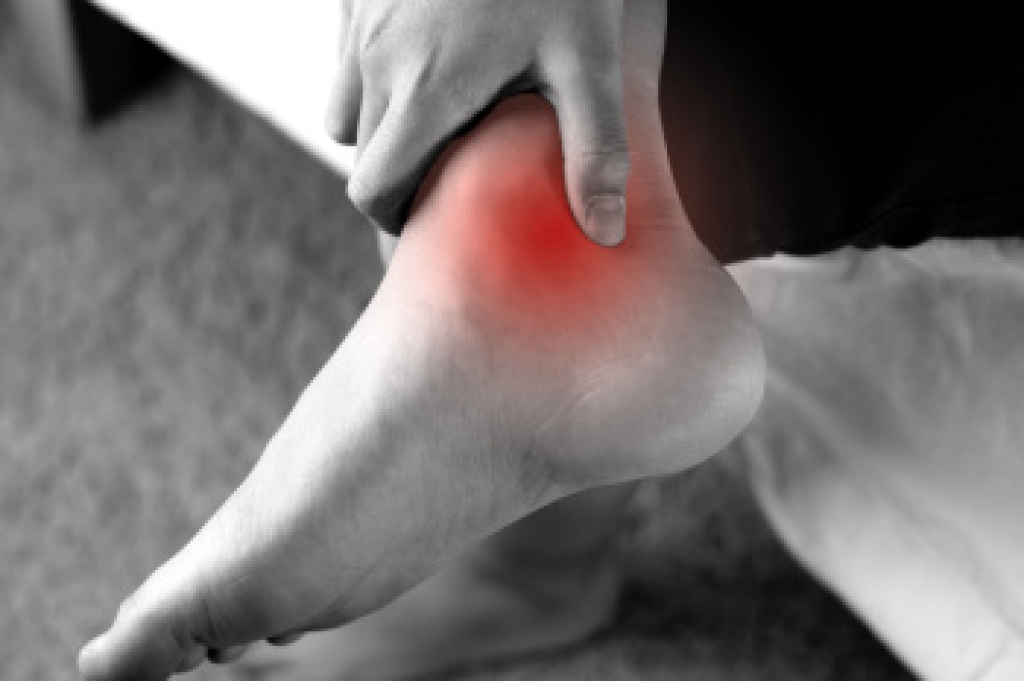
Tarsal tunnel syndrome develops when the tibial nerve becomes compressed as it passes through the tarsal tunnel on the inside of the ankle. This narrow space is formed by bone and soft tissue, and it protects important nerves and tendons that supply the foot. When the tibial nerve is irritated or damaged, it can disrupt normal sensation and movement. Tarsal tunnel syndrome is similar to other nerve compression disorders and can significantly affect daily activities if left untreated.
Symptoms of tarsal tunnel syndrome often include pain in the ankle, the bottom of the foot, and the toes. This pain may feel sharp, burning, or tingling and can worsen with prolonged standing or walking. Some individuals experience numbness or a pins and needles sensation that radiates along the sole. Weakness in the foot muscles may also develop, which can affect balance and stability. Symptoms may come and go at first but often become more persistent.
Several causes can lead to compression of the tibial nerve. Injury to the ankle, such as a sprain or fracture, may create swelling that places pressure on the nerve. Flat feet can increase strain by causing the foot to roll inward, which tightens structures around the tunnel. Other causes include cysts, varicose veins, or inflammation that reduces the available space for the nerve. Any condition that alters the anatomy of the ankle can increase the risk of nerve compression.
Risk factors for tarsal tunnel syndrome include repetitive stress on the foot, poor biomechanics, and underlying health conditions that affect nerve function. Individuals with diabetes or arthritis may be more susceptible due to inflammation or nerve sensitivity. Wearing unsupportive footwear and engaging in high-impact activities can also contribute to the problem. If you have symptoms of tarsal tunnel syndrome, it is suggested that you consult a podiatrist for an accurate diagnosis and appropriate treatment.
Tarsal tunnel syndrome can be very uncomfortable to live with. If you are experiencing tarsal tunnel syndrome, contact James P. Huish, DPM of Arizona. Our doctors can provide the care you need to keep you pain-free and on your feet.
Tarsal Tunnel Syndrome
Tarsal tunnel syndrome, which can also be called tibial nerve dysfunction, is an uncommon condition of misfiring peripheral nerves in the foot. The tibial nerve is the peripheral nerve in the leg responsible for sensation and movement of the foot and calf muscles. In tarsal tunnel syndrome, the tibial nerve is damaged, causing problems with movement and feeling in the foot of the affected leg.
Common Cause of Tarsal Tunnel Syndrome
The Effects of Tarsal Tunnel Syndrome
A physical exam of the leg can help identify the presence of tarsal tunnel syndrome. Medical tests, such as a nerve biopsy, are also used to diagnose the condition. Patients may receive physical therapy and prescriptive medication. In extreme cases, some may require surgery.
If you have any questions please contact our office located in Safford and Sierra Vista, AZ . We offer the newest diagnostic and treatment technologies for all your foot and ankle needs.
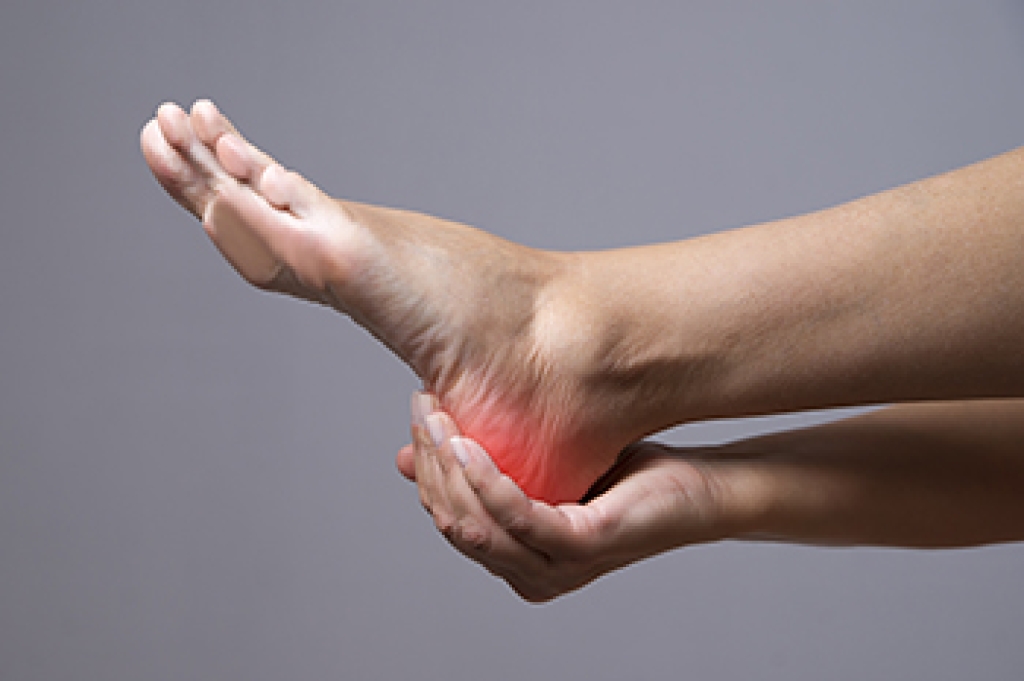
Heel pain can make every step uncomfortable and interfere with work, exercise, and daily activities. The discomfort sometimes begins gradually, but it can also start after an injury. Pain near the bottom of the heel frequently points to plantar fasciitis. This results from repetitive stress of the strong band of tissue that supports the arch. Pain at the back of the heel can result from Achilles tendonitis or bursitis. A sudden injury with severe pain, swelling, or a popping sound can signal a heel fracture or a torn Achilles tendon. Because several conditions produce similar symptoms, an exam by a podiatrist is important before treatment begins.
This foot doctor starts by reviewing symptoms, daily activities, and recent injuries. The foot and ankle are examined to identify any swelling, tenderness, or changes in movement. Imaging tests, like X-rays or ultrasound, help confirm certain conditions and rule out a fracture or other serious injury. Once the cause is identified, treatment includes custom orthotics to improve foot support and reduce strain on painful areas. It also includes padding that reduces pressure and recommendations for shoes that provide proper support. When symptoms do not improve with conservative care, surgery is considered for selected conditions.
Ignoring heel pain can limit normal movement and allow the problem to become more difficult to manage. Prompt care also helps patients return to comfortable walking with greater confidence. Heel pain linked to a fracture, severe tendon injury, or another serious condition benefits from early diagnosis. Long-lasting discomfort benefits from a professional evaluation, because it can indicate a serious problem. A podiatrist develops a treatment plan based on the specific cause of the pain and follows your progress to improve comfort and foot function. Early evaluation also helps address worsening symptoms before they disrupt mobility. If you have heel pain, it is suggested that you schedule an appointment with a podiatrist for an accurate diagnosis and appropriate treatment.
Many people suffer from bouts of heel pain. For more information, contact James P. Huish, DPM of Arizona. Our doctors can provide the care you need to keep you pain-free and on your feet.
Causes of Heel Pain
Heel pain is often associated with plantar fasciitis. The plantar fascia is a band of tissues that extends along the bottom of the foot. A rip or tear in this ligament can cause inflammation of the tissue.
Achilles tendonitis is another cause of heel pain. Inflammation of the Achilles tendon will cause pain from fractures and muscle tearing. Lack of flexibility is also another symptom.
Heel spurs are another cause of pain. When the tissues of the plantar fascia undergo a great deal of stress, it can lead to ligament separation from the heel bone, causing heel spurs.
Why Might Heel Pain Occur?
Treatments
Heel pain should be treated as soon as possible for immediate results. Keeping your feet in a stress-free environment will help. If you suffer from Achilles tendonitis or plantar fasciitis, applying ice will reduce the swelling. Stretching before an exercise like running will help the muscles. Using all these tips will help make heel pain a condition of the past.
If you have any questions, please feel free to contact our office located in Safford and Sierra Vista, AZ . We offer the newest diagnostic and treatment technologies for all your foot care needs.
Connect With Us
