
You don't need an excuse to have beautiful nails. Step outside without worrying about the appearance of your feet.
You don't need an excuse to have beautiful nails. Step outside without worrying about the appearance of your feet.

Toe pain can make simple activities, from putting on shoes to climbing stairs, difficult. The toes help support balance and push the body forward when walking. There are many reasons for toe pain. It can follow a stubbed toe, repeated pressure, or an underlying health problem. A sore big-toe joint can be linked to a bunion, arthritis, or gout. Pain in a smaller toe can result from a fracture, hammertoe, or corn. Burning or numbness can point to an irritated nerve. Redness, swelling, and stiffness can also develop, depending on the cause.
Wearing shoes that are too tight or narrow can crowd the toes and place pressure on the joints. High heels can shift weight toward the front of the foot and worsen certain problems. Toe pain can also begin after sports, a fall, or repeated impact. Diabetes deserves special attention because nerve damage can reduce feeling in the toes. Patients should seek prompt care for an open wound, a change in skin color, or severe swelling. Sudden intense pain and warmth also require evaluation, especially when there was no clear injury.
A podiatrist can examine the painful toe and assess its movement, shape, and skin. The visit also includes questions about when the pain started and what makes it worse. X-rays can reveal a fracture, arthritis, or changes in bone position. Other imaging or laboratory tests can help when the cause remains unclear. Treatment depends on the diagnosis. A podiatrist can provide padding, prescribe custom orthotics, or suggest a medical shoe to reduce pressure. Care can also include treating a corn, protecting an injured toe, or addressing an ingrown toenail. For advanced joint damage or a severe deformity, surgery may be discussed. Early diagnosis can keep a small concern from interfering with balance and daily movement. If you have persistent toe pain, it is suggested that you schedule an appointment with a podiatrist for a diagnosis and appropriate treatment.
Toe pain can disrupt your daily activities. If you have any concerns, contact James P. Huish, DPM of Arizona. Our doctors can provide the care you need to keep you pain-free and on your feet.
What Causes Toe Pain?
Most severe toe pain is caused due to a sports injury, trauma from dropping something heavy on the toe, or bumping into something rigid. Other problems can develop over time for various reasons.
Toe pain can be caused by one or more ailments. The most common include:
When to See a Podiatrist
Diagnosis
In many cases the cause of toe pain is obvious, but in others, a podiatrist may want to use more advanced methods to determine the problem. These can range from simple visual inspections and sensation tests to X-rays and MRI scans. Prior medical history, family medical history, and any recent physical traumatic events will all be taken into consideration for a proper diagnosis.
Treatment
Treatments for toe pain and injuries vary and may include shoe inserts, padding, taping, medicines, injections, and in some cases, surgery. If you believe that you have broken a toe, please see a podiatrist as soon as possible.
If you have any questions please contact our office located in Safford and Sierra Vista, AZ . We offer the newest diagnostic and treatment technologies for all your foot and ankle needs.

Diabetic limb salvage is an approach used to protect a foot or limb when diabetes has caused a wound, infection, or tissue damage. The goal is to save as much tissue as possible and prevent loss of limb when appropriate. Diabetes can reduce sensation and slow healing, so small problems may become severe before they are noticed. Warning signs can include an open sore, redness, or increasing pain.
Several factors can increase the need for diabetic limb salvage. High blood sugar can damage nerves and blood vessels. Reduced sensation can make it difficult to feel an injury. Poor circulation may limit oxygen and nutrients needed for healing. Infection can also spread into deeper tissues or bone. A history of foot ulcers, previous limb loss, kidney disease, or smoking may increase risk. Prompt evaluation is important when a wound does not heal normally.
Diabetic limb salvage may involve several steps based on the person’s condition. A podiatrist may examine the wound, check circulation, and order imaging tests. Treatment may include wound cleaning, removal of damaged tissue, and protective dressings. Some patients may need vascular care or surgery to improve blood flow or remove infected tissue while preserving healthy structures. This approach can be life-changing because saving a limb may support mobility, independence, and activities.
Healing requires careful follow-up and foot protection. A podiatrist may monitor the wound regularly and adjust treatment based on improvement. Patients may also receive guidance about blood sugar control, footwear, and daily foot checks. Early care can make an important difference when diabetes threatens the health of a foot or limb. If you have severe foot complications from diabetes, it is suggested that you are under the care of a podiatrist who can discuss the pros and cons of diabetic limb salvage with you.
Limb salvage can be an effective way in preventing the need for limb amputation. If you have diabetes, cancer, or any other condition that could lead to foot amputation if left unchecked, consult with James P. Huish, DPM from Arizona. Our doctors will assess your condition and provide you with quality foot and ankle treatment.
What Is Limb Salvage?
Limb salvage is the attempt of saving a limb, such as the foot from amputation. Podiatrists also try to make sure that there is enough function in the foot after the salvage that it is still usable. Diabetes is the number one cause of non-traumatic amputations in the United States. Those with diabetes experience poor blood circulation, which prevents proper healing of an ulcer. If the ulcer is left uncheck, it could become infected, which could result in the need for amputation.
However, there are other causes as well, such as cancer and traumatic injury. Links between higher mortality rates and amputation have been found. This translates into higher healthcare costs, and a reduced quality of life and mobility for amputees. Podiatrists have attempted to increase the prevalence of limb salvage in an attempt to solve these issues.
Diagnosis and Treatment
Limb salvage teams have grown in recent years that utilize a number of different treatments to save the infected limb. This includes podiatrists that specialize in wound care, rehabilitation, orthotics, and surgery. Through a combination of these methods, limb salvage has been found to be an effective treatment for infected limbs, and as an alternative to amputation. Podiatrists will first evaluate the potential for limb salvage and determine if the limb can be saved or must be amputated.
If you have any questions, please feel free to contact our office located in Safford and Sierra Vista, AZ . We offer the newest diagnostic and treatment technologies for all your foot care needs.

Foot injuries are a problem in construction, where workers face demanding surfaces and changing conditions. Wearing the wrong shoes can increase stress on the feet and ankles, and make movement less secure. Symptoms may include pain, swelling, or difficulty walking. Construction workers may experience injuries suddenly when they lose stability. Wearing proper footwear can help support safer movement.
Construction sites can create hazards for feet and ankles. Wet surfaces may become slippery, causing a sudden loss of stability and increasing the chance of a twist or fall. Poorly designed shoes may lack adequate slip resistance, making it harder to maintain traction. Additionally, insufficient cushioning can increase impact on the heels and joints during long hours of standing. Risk factors include worn-out soles, improper shoe size, and footwear that does not match site conditions.
Choosing slip-resistant work shoes is an important safety step. Look for sturdy footwear with soles designed to maintain traction on wet or uneven surfaces. Proper cushioning can help absorb impact and reduce daily stress on the feet. A podiatrist can evaluate pain after an injury and determine whether imaging is needed. Treatment may involve wearing protective footwear or immobilization. The podiatrist can also assess walking mechanics and recommend custom orthotics when needed.
Foot and ankle injuries should not be ignored if pain continues after leaving the construction site. A podiatrist can check for fractures, ligament damage, and other conditions that may affect safety and mobility. Early treatment can support healing and help prevent a minor injury from becoming a lasting problem. Workers can reduce risks by replacing damaged shoes and keeping footwear appropriate for job conditions. If you have foot or ankle injuries from working in construction, it is suggested that you consult a podiatrist for an accurate diagnosis and appropriate treatment.
While working on the feet, it is important to take the proper care of them. For more information about working on your feet, contact James P. Huish, DPM from Arizona. Our doctors will treat your foot and ankle needs.
Working on Your Feet
Standing on your feet for long periods of time can cause stress and pain in your feet. Your whole body may experience change in terms of posture, back pain, bunions, callouses and or plantar warts. There are ways to avoid these conditions with proper foot care, smart choices and correct posture.
Positive Changes
Negative heeled shoe – Choosing this shoe type places the heel slightly lower than the ball of the foot. These are great for overall foot health. Find shoes that fit you correctly.
Go barefoot – Our feet were not designed to be enclosed for all hours of the day. Try to periodically expose your feet to air.
Eliminate Pain
Foot Exercises – Performing simple exercises, incorporating yoga and doing stretches are beneficial. This will allow increased blood flow to the area and muscles of the foot.
Achilles tendon – Stretching the foot out flat on the floor will relax the calf muscles and tendon. These exercises can be performed almost anywhere. Make sure you add these exercises to your daily regimen.
With a little bit of this information and knowing more about foot health, you will notice changes. Foot stretches and proper footwear will help with pain and prevent further issues.
If you have any questions please contact our office located in Safford and Sierra Vista, AZ . We offer the newest diagnostic and treatment technologies for all your foot and ankle needs.
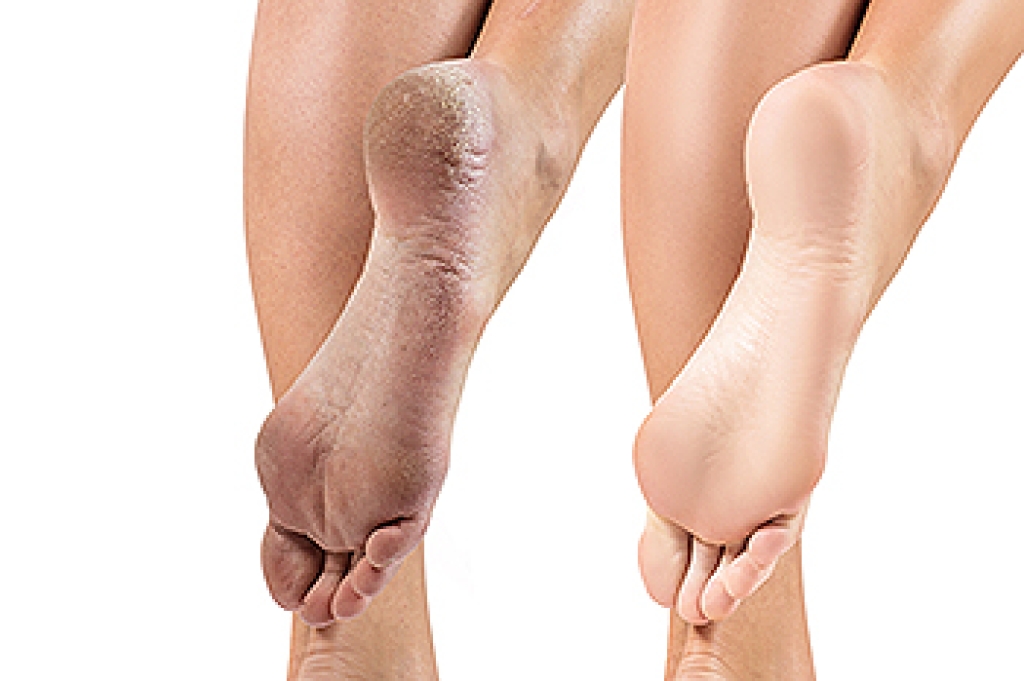
Cracked heels develop when the skin around the heel becomes dry, thick, and less flexible. Pressure from walking can cause hardened skin to split, creating visible lines or deeper fissures. Symptoms may include roughness, flaking, and painful cracks. Environmental conditions often contribute. Heat and humidity can increase moisture loss, while cold weather can leave skin dry and irritated. Frequent bathing and harsh skin cleansers may remove natural oils, making the heel skin more likely to crack.
Risk factors include long periods of standing, walking, and wearing open-back shoes that allow the heel to spread. Age can also increase risk because skin gradually loses moisture and elasticity. Repeated exposure to hot water, dry indoor air, and aggressive scrubbing may worsen dryness. People with certain health conditions affecting skin or circulation can develop persistent cracked heels. Recognizing these factors can make prevention easier and help you address dryness before painful fissures develop.
A podiatrist will examine the heels, assess crack depth, and look for irritation or infection. Treatment may include professional removal of thickened skin and a moisturizing cream containing urea or another ingredient. Your podiatrist may also recommend supportive footwear that reduces heel pressure. If infection or inflammation is present, medication may be needed. You may be advised to avoid harsh cleansers, prolonged hot showers, and excessive scraping while keeping the heels moisturized regularly.
Preventing cracked heels requires consistent care and attention to environmental triggers. Use a gentle cleanser, apply moisturizer after bathing, and wear supportive shoes that protect the heel. During cold weather, protect your feet from dry air and avoid very hot water. Seek podiatric care if cracks become deep, painful, or difficult to heal. If you have painful cracked heels, it is suggested that you consult a podiatrist for effective treatment solutions.
If the skin on your feet starts to crack, you may want to see a podiatrist to find treatment. If you have any concerns, contact James P. Huish, DPM from Arizona. Our doctors can provide the care you need to keep you pain-free and on your feet.
Cracked Heels
It is important to moisturize your cracked heels in order to prevent pain, bleeding, and infection. The reason cracked heels form is because the skin on the foot is too dry to support the immense pressure placed on them. When the foot expands, the dry skin on the foot begins to split.
Ways to Help Heal Them
Ways to Prevent Cracked Heels
If you are unsure how to proceed in treating cracked heels, seek guidance from a podiatrist. Your doctor will help you with any questions or information you may need.
If you have any questions, please feel free to contact our office located in Safford and Sierra Vista, AZ . We offer the newest diagnostic and treatment technologies for all your foot care needs.
Connect With Us
